How to optimize AI resume screening for 2026?
Optimize AI resume screening with automatic keyword matching, skills assessment, and bias reduction for 2026 success.

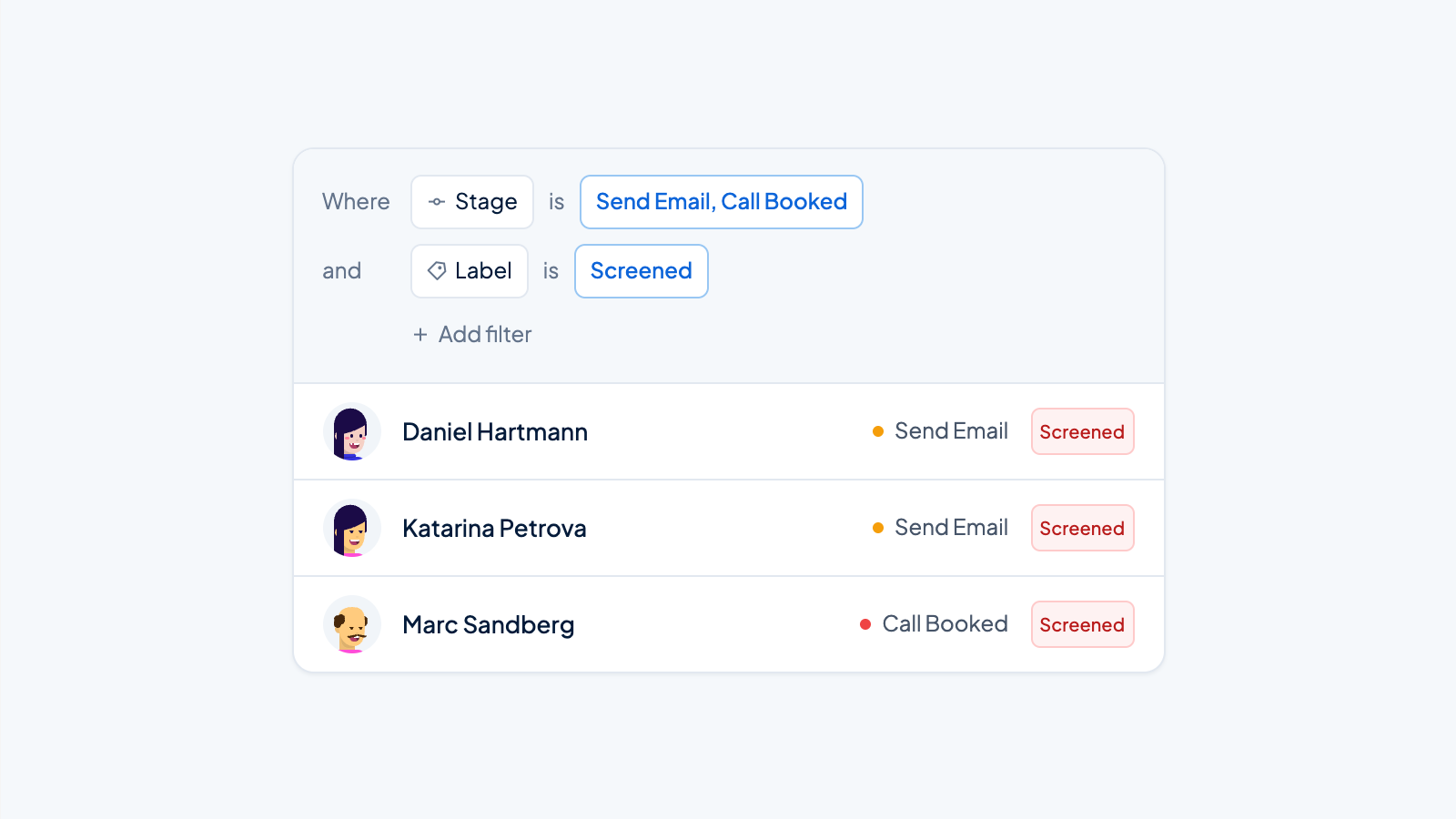
Optimizing AI CV screening for 2026 starts with choosing software that combines automatic keyword matching, skills assessment, and bias reduction. A gradual implementation with proper team training prevents workflow disruptions. Measure success by monitoring time-to-hire, candidate quality, and recruiter productivity.
What is AI CV screening and why is it becoming increasingly important?
AI CV screening is technology that automatically analyzes, evaluates, and ranks resumes based on preset criteria. The system uses machine learning to recognize patterns in successful candidate profiles and assess new applications accordingly.
Core functionalities include automatic text analysis, skills matching, experience validation, and predictive scoring. This technology can screen hundreds of resumes in seconds for relevant skills, work experience, and educational background.
For organizations, AI CV screening will become indispensable in 2026 because the volume of applications is growing exponentially while the time available for manual review is decreasing. Recruiters can focus on the human aspects of hiring, while AI handles the initial selection.
The evolution from traditional to AI-driven recruitment processes is accelerating as companies realize that manual screening is no longer scalable. Modern AI CV screening software can detect patterns that humans overlook and ensures more consistent evaluations.
Which AI CV screening features deliver the best results?
The most impactful AI features are automatic keyword matching, intelligent skills assessment, bias reduction algorithms, and predictive scoring systems. These four elements together form the foundation for effective AI CV screening.
Automatic keyword matching goes beyond simple word recognition. Advanced systems understand context and synonyms, ensuring relevant candidates aren't missed due to different terminology.
Skills assessment analyzes not only listed skills but also the context in which they were used. The system can distinguish between superficial knowledge and deep expertise.
- Bias reduction algorithms minimize unconscious bias in selection processes
- Predictive scoring forecasts candidate success based on historical data
- Natural language processing understands resume content in context
- Adaptive learning improves accuracy through feedback loops
The features with the greatest impact on recruitment efficiency are often the less obvious ones: consistent evaluation criteria, fast processing of large volumes, and integration with existing ATS systems.
How do you implement AI CV screening without disrupting your current workflow?
Successful implementation starts with a gradual transition, where AI screening runs parallel to existing processes. Start with one job opening or department to test the system and familiarize your team with the new technology.
The step-by-step implementation strategy includes these phases:
- Analyze current recruitment processes and identify bottlenecks
- Select AI CV screening software that integrates with existing systems
- Train the AI system with historical data from successful employees
- Run pilot tests with new job openings
- Collect feedback from recruiters and hiring managers
- Optimize settings based on results
- Gradually scale to all recruitment activities
Team training focuses on interpreting AI scores, understanding algorithm decisions, and maintaining human oversight. Data migration requires careful planning to transfer candidate information securely.
Practical execution succeeds when change management is prioritized and employees understand how AI enhances their work rather than replacing it.
What are the biggest pitfalls when optimizing AI CV screening?
The most common mistake is over-automation, where human judgment is completely eliminated. AI should support recruitment, not take over. Always leave room for human intuition and contextual assessment.
Bias in algorithms occurs when training data contains historical prejudices. If your organization has historically hired predominantly certain profiles, the AI system learns to repeat these patterns.
Lack of human oversight leads to missed opportunities and wrong decisions. AI systems make mistakes and require regular checks to ensure accuracy.
Insufficient data quality is the root of all other problems. Incomplete resumes, inconsistent formatting, and outdated information lead to unreliable AI decisions.
Preventive measures include:
- Regular audits of AI decisions and bias detection
- Diverse training datasets for fair evaluation
- Clear escalation procedures for edge cases
- Continuous monitoring of system performance
Best practices require a balance between automation and human expertise, where AI provides efficiency and humans make the final decisions.
How do you measure the success of your AI CV screening strategy?
Success is measured by monitoring improvement in time-to-hire, increased candidate quality, reduction in cost-per-hire, and increased recruiter productivity. These KPIs provide insight into both the efficiency and effectiveness of your AI implementation.
Improvement in time-to-hire shows in faster initial screening and shorter lead times from application to offer. Measure the average time per recruitment stage before and after AI implementation.
Candidate quality is assessed by tracking the success ratios of hired employees. Compare performance, retention, and satisfaction of AI-screened candidates with traditionally sourced talent.
Reduction in cost-per-hire results from more efficient processes and less time investment per vacancy. Calculate total recruitment costs divided by the number of successful hires.
Recruiter productivity is measured by the number of candidates one recruiter can manage and the quality of their selections. AI screening should enable recruiters to handle more vacancies simultaneously.
Concrete measurement methods include dashboard monitoring, monthly performance reviews, and candidate feedback surveys. Benchmarks vary by industry, but most organizations see measurable improvements within three months.
For optimal results in 2026, combine AI efficiency with human expertise. The right balance between automation and personal assessment ultimately determines your recruitment success. By systematically measuring and adjusting, you build a recruitment process that is both fast and accurate.
How Applyfin helps with AI CV screening optimization
Applyfin offers a complete solution for organizations looking to modernize their recruitment processes with advanced AI CV screening. Our platform combines all essential features for effective candidate selection in one user-friendly environment.
Our AI technology ensures:
- Automatic screening of resumes with 95% accuracy within seconds
- Bias-free selection through advanced algorithms that value diverse talent pools
- Seamless integration with existing HR systems without workflow disruption
- Real-time analytics for continuous optimization of your recruitment results
- Personal onboarding and training for your recruitment team
Start transforming your recruitment process today. Contact us for a personal demo and discover how Applyfin can shorten your time-to-hire and increase candidate quality.