How to automate recruitment communication
Automated recruitment communication ensures candidates receive the right information on time without manual effort. This saves recruiters valuable time, improves the candidate experience through fast responses, and makes it possible to manage up to three times more applicants. Discover which communication touchpoints you can automate, how to start implementing them, and what pitfalls to avoid to make your hiring process more efficient without losing the personal touch.

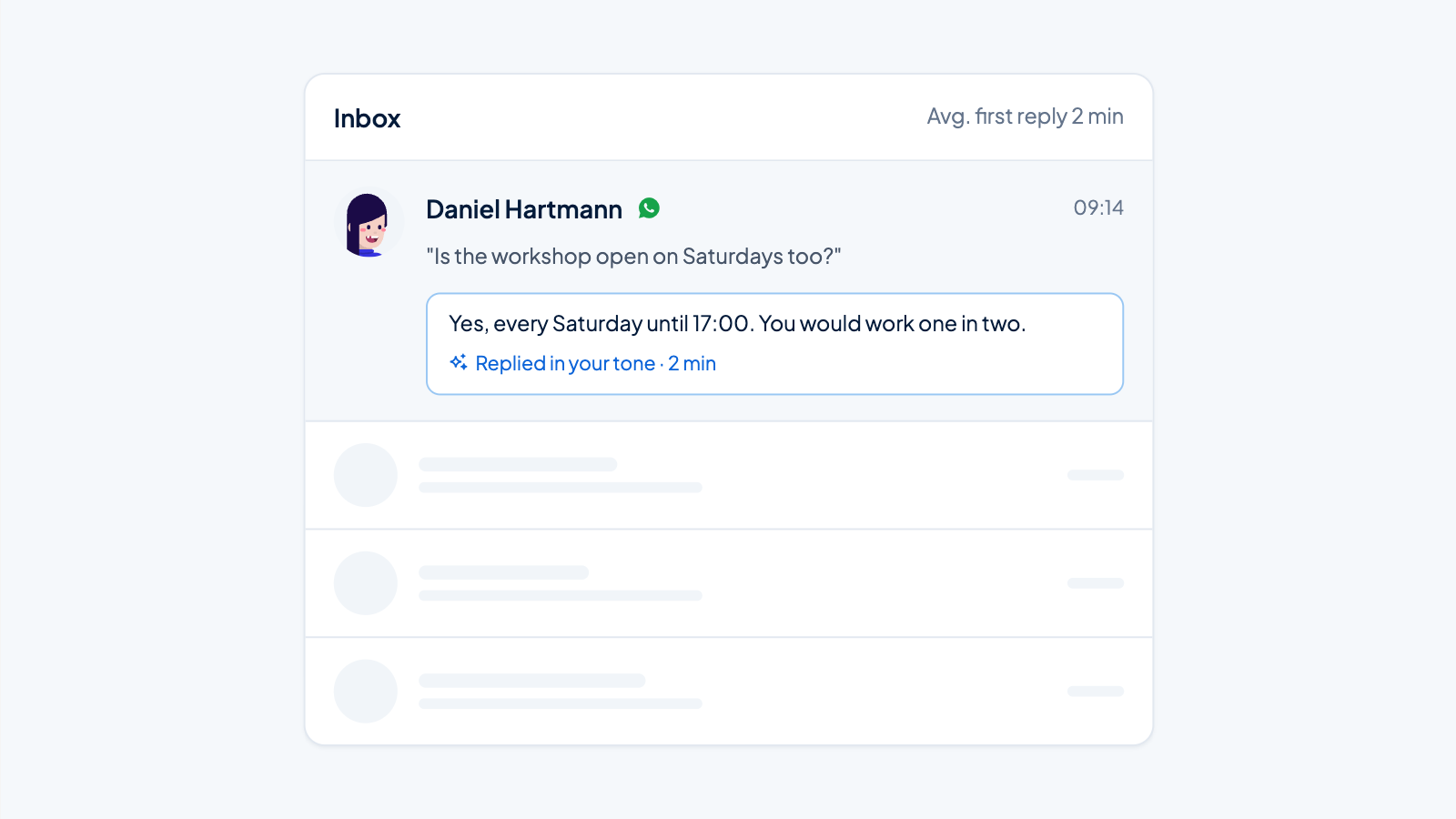
Automated recruitment communication ensures candidates receive the right information at the right time, without recruiters having to send every message manually. It saves time, improves the candidate experience through fast responses, and makes it possible to manage more applicants at once. For SMB companies and recruitment teams, automation means you can scale without deploying additional staff.
What is automated recruitment communication and why is it important?
Automated recruitment communication is the use of technology to send messages to candidates based on their stage in the hiring process. Think of confirmation emails after an application, status updates on progress, or interview invitations that are sent automatically when a candidate reaches a certain stage.
This has become essential for modern hiring processes. Recruiters often receive dozens to hundreds of applications per vacancy. Without automation, it is almost impossible to inform every candidate in a timely and consistent way. This leads to frustration among candidates and missed opportunities for employers.
The benefits are immediately noticeable. Time savings come first, because recruiters no longer spend hours sending standard messages. Candidates get a better experience because they receive immediate feedback instead of having to wait for weeks. For recruitment teams, this means they can manage up to three times more applicants without losing quality, because they can focus on personal conversations and strategic tasks instead of administrative work.
Which parts of recruitment communication can you automate?
Almost every standard communication moment in the hiring process lends itself to automation. The key is to determine which messages can be automated without losing the personal touch.
You can automate these communication moments:
- Application acknowledgments immediately after an application is submitted
- Status updates when a candidate moves to the next stage
- Rejections for candidates who do not pass the initial screening
- Interview invitations including calendar integration and location details
- Reminders for scheduled interviews or missing documents
- Onboarding messages with practical information for new hires
Not all communication should be automated. Personal feedback after interviews, salary negotiations, and hiring candidates always deserve a human approach. The rule is simple: automate standard information, keep personal interactions manual. AI in recruitment processes can help find this balance by identifying when a candidate needs extra attention.
How do you start automating your recruitment communication?
Automating recruitment communication requires a structured approach. For SMB companies and recruitment teams, it is important to start practically without immediately diving into complex technology.
Follow these steps for a successful implementation:
- Map your current process and note all the moments when you communicate with candidates
- Identify communication moments that are repetitive and require little personalization
- Develop templates for each type of message with room for basic personalization such as name and role
- Select automation tools that fit your budget and technical capabilities
- Set up workflows that determine when each message is automatically sent
- Test thoroughly with a small group of vacancies before rolling it out broadly
Start small by automating application acknowledgments and status updates. Once this runs smoothly, you can add more advanced workflows. AI recruitment tasks such as screening CVs and scheduling interviews can be added later to optimize your process further. The most important thing is that your team becomes comfortable with the new way of working before you take the next step.
What are the biggest pitfalls in recruitment communication automation?
Automation can backfire when it is not implemented properly. The most common mistakes can be avoided with awareness and the right approach.
Overly generic messages are the biggest risk. Candidates immediately notice when a message is fully automated without any personalization. This feels impersonal and can even lead to negative reviews of your hiring process. Make sure every automated message contains at least the candidate's name, the job title, and relevant details.
Timing issues often occur with poorly configured workflows. A candidate who receives a rejection before the interview has taken place, or a reminder for an interview that has already happened, damages your employer brand. Test your workflows thoroughly and build in safeguards that prevent messages from being sent at the wrong time.
Too much automation is also a pitfall. When candidates only receive automated messages and never have personal contact, the human connection that is essential for a good candidate experience disappears. Always reserve important moments such as after an interview or when making an offer for personal communication. AI recruitment tasks should support recruiters, not replace them.
How do you measure whether your automated recruitment communication is successful?
Without measurement, you won't know whether your automation is actually working. Fortunately, there are practical indicators that SMB companies and recruitment teams can track without complex analytics tools.
Response time to candidates is a direct indicator. Measure how much time passes between an application and the first response. Automation should reduce this to minutes instead of days. You can measure candidate satisfaction by sending a short survey after the process with questions about communication and speed.
Time-to-hire shows whether your process has become faster. When communication is automated, vacancies should be filled faster because there is less delay between process steps. The number of messages per candidate provides insight into whether you are communicating too much or too little.
Email open rates are valuable for seeing whether your messages are relevant. Low open rates can indicate unclear subject lines or messages being sent at the wrong time. Recruiter productivity is perhaps the most important metric: can your recruiters manage more vacancies or spend more time on personal conversations since automation? AI in recruitment processes should lead to measurable efficiency gains.
Which tools and technologies support recruitment communication automation?
The right technology makes the difference between frustrating automation and a smoothly running system. There are several types of tools available, each with their own strengths.
Applicant tracking systems (ATS) form the foundation of automated recruitment communication. They centralize candidate data and make it possible to set up workflows for different process steps. Recruitment automation platforms go a step further by adding AI-driven features such as automatic screening and intelligent scheduling.
When selecting a platform, certain functionalities are essential. Template management should be flexible so you can easily customize messages without technical knowledge. Workflow builders should be visual and intuitive so you can quickly see when each message is sent. Integrations with your email, calendar, and other HR systems prevent you from having to work with disconnected systems.
Personalization options determine whether your messages feel personal or come across as generic. Look for systems that support dynamic fields for name, role, interview dates, and other relevant information. Reporting capabilities help you track the metrics we discussed earlier. Cheaper AI recruitment and faster AI recruitment become a reality when your platform can automate these tasks without losing quality.
We have developed a platform specifically designed for recruitment teams that want to manage more applicants without extra staff. Its AI-driven workflows automate repetitive tasks while recruiters focus on personal interactions. For companies that want to know whether this fits their situation, we can schedule a no-obligation conversation to discuss your specific challenges. Discover how automation can transform your recruitment process and make your team more productive.