How do you manage a recruitment pipeline effectively?
Effective recruitment pipeline management with structured processes, smart tools, and data optimization for faster hires and a better candidate experience.

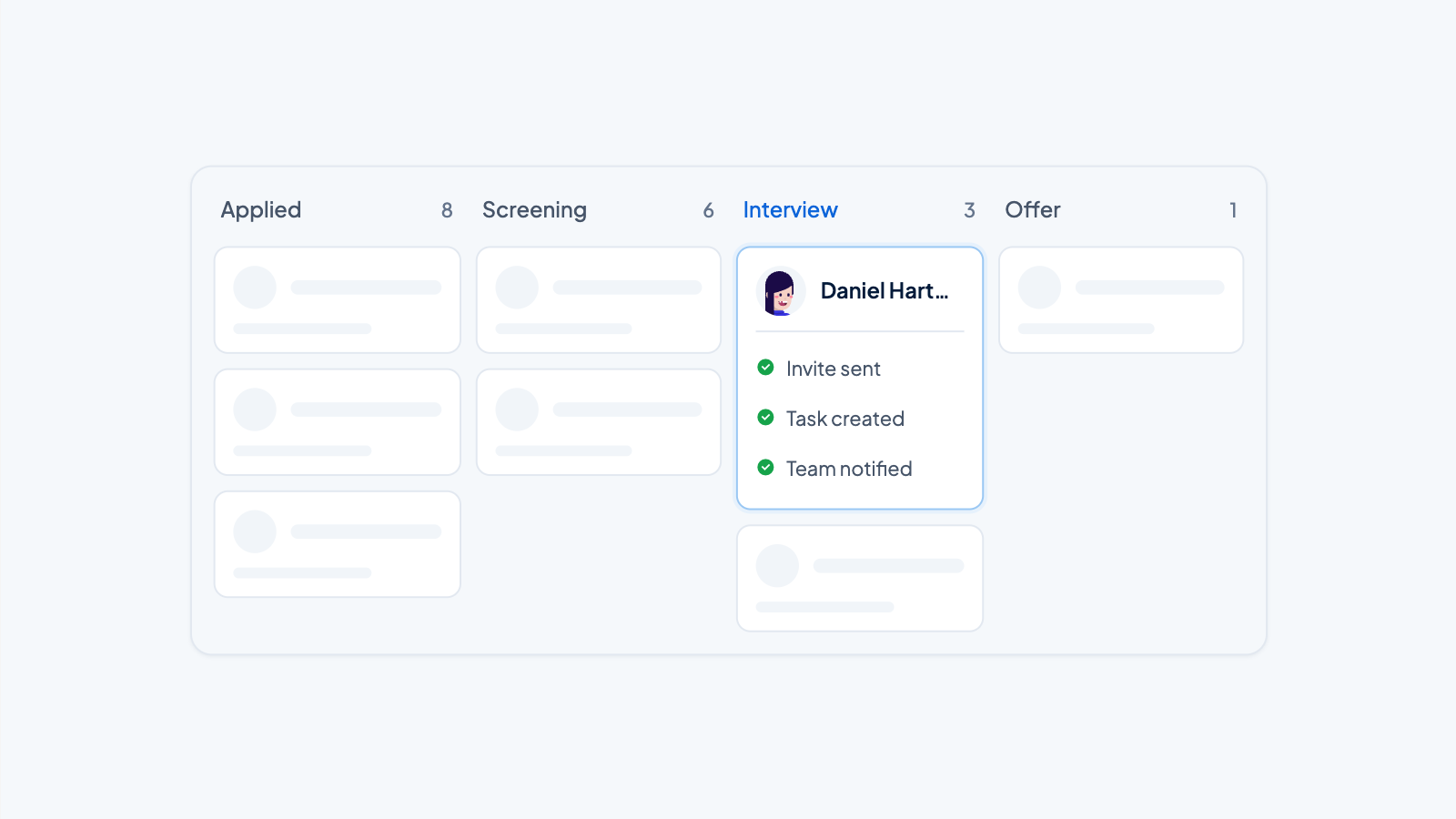
Effectively managing a recruitment pipeline means tracking candidates in a structured way through all hiring stages. This requires clear processes, good tools for visibility, and regular optimization based on data. A well-managed pipeline leads to faster hires, a better candidate experience, and lower recruitment costs.
What is a recruitment pipeline and why is it so important?
A recruitment pipeline is the structured process that guides candidates from initial contact to hire and onboarding. It visualizes every stage of recruitment and shows exactly where each candidate is in the process.
The pipeline consists of various stages that candidates go through. These may vary by organization, but typically include application, screening, interviews, reference check, and offer. Structuring this process gives you insight into where candidates drop off and which stages need optimization.
A structured approach is essential for successful recruitment because it prevents candidates from falling through the cracks. It ensures consistent communication, faster decision-making, and a professional candidate experience. Moreover, it helps recruiters manage their time more effectively and set priorities.
For business growth, a well-functioning pipeline is indispensable. It enables organizations to recruit proactively, build talent pools, and respond faster to staffing needs. This provides a competitive advantage in tight labor markets.
Which stages should every recruitment pipeline include?
Every effective recruitment pipeline includes six essential stages: job analysis, sourcing, screening, interviews, selection, and onboarding. These steps ensure a systematic approach where no important elements are overlooked.
The job analysis stage starts with defining job requirements, desired competencies, and culture fit. Here you also determine the recruitment strategy and which channels you will use. This stage lays the foundation for all subsequent steps.
Sourcing involves actively searching for and attracting candidates through various channels. This can be via job boards, social media, networking, or headhunting. The goal is to build a quality candidate pool.
The screening stage filters candidates based on their resume, cover letter, and possibly a phone interview. Here it is determined which candidates meet the basic requirements and move on to the next round.
- Interview stage with multiple rounds
- Reference check and background verification
- Final selection and offer stage
- Contract negotiation and acceptance
- Onboarding and introductory period
How do you maintain an overview of candidates in different pipeline stages?
Maintaining an overview of candidates requires a systematic approach with the right tools and processes. This can range from simple spreadsheets to advanced applicant tracking systems, depending on the organization size and recruitment volume.
For smaller organizations, spreadsheets may be sufficient to track candidate progress. Create columns for name, position, current stage, last contact, and follow-up actions. Update these regularly and use color coding for different statuses.
Medium-sized and large organizations benefit from an applicant tracking system (ATS). These systems automate many administrative tasks and provide dashboards with real-time overviews. They often integrate with other HR systems and job boards.
Recruitment software, such as modern ATS solutions, centralizes all candidate information in one place. They offer features like automated status updates, communication history, and reporting capabilities. This saves time and prevents candidates from being forgotten.
- Use consistent status labels for all stages
- Schedule regular pipeline reviews
- Set automatic reminders for follow-up actions
- Document all candidate interactions
- Create weekly reports on pipeline status
What are the biggest challenges in recruitment pipeline management?
The biggest challenges in pipeline management are candidate loss due to slow processes, communication issues, lack of time, and managing high candidate volumes. These problems lead to missed opportunities and frustration for both recruiters and candidates.
Candidate loss often occurs due to long wait times between interviews or unclear communication about next steps. Good candidates accept other offers while waiting for feedback. This is especially problematic in tight labor markets.
Communication issues manifest as inconsistent messages, forgotten follow-ups, or unclear expectations. Candidates don't know where they stand in the process and feel unappreciated. This damages the employer brand.
Lack of time causes recruiters to work reactively rather than proactively. They focus on urgent vacancies, while strategic activities like talent pool building fall behind. This creates a vicious cycle of time pressure.
High candidate volumes make it difficult to give personal attention. Recruiters lose track and candidates feel treated like numbers. This calls for smart automation and clear prioritization.
How do you automate repetitive tasks in your recruitment process?
Automating repetitive tasks saves recruiters significant time by automating standard emails, screening processes, interview scheduling, and candidate updates. This leaves more room for strategic activities and personal candidate interaction.
Automated emails can be set up for different pipeline stages. Think of application confirmations, interview invitations, rejections, and follow-ups. Personalize these messages with the candidate's name and job title for a personal touch.
Screening tools can automatically scan resumes for keywords, competencies, and experience. They score candidates on relevance and filter out unsuitable profiles. This saves hours of manually reading resumes.
Interview scheduling tools let candidates choose time slots themselves from available calendars. They automatically send invitations with location information or video links and send reminders. This eliminates many email exchanges.
Candidate updates can be sent automatically when status changes in the pipeline. This keeps applicants informed without manual intervention from recruiters.
- Set up automatic confirmations for new applications
- Use chatbots for initial candidate questions
- Automate reference check requests
- Schedule automatic follow-up reminders
Which metrics should you track to optimize your pipeline?
Key metrics for pipeline optimization are time-to-hire, conversion rates per stage, cost-per-hire, and candidate satisfaction. These KPIs provide insight into process efficiency and help identify bottlenecks for targeted improvements.
Time-to-hire measures the time between job opening and contract acceptance. Track this by job level and department to set realistic expectations. Long lead times indicate inefficiencies in the process.
Conversion rates show the percentage of candidates moving from one stage to the next. Low conversion in specific stages indicates issues that need attention. For example, measure how many applicants are invited for interviews.
Cost-per-hire calculates total recruitment costs divided by the number of hires. Include advertising costs, recruiter time, and system costs. This helps with budget planning and ROI calculations for different sourcing channels.
Candidate satisfaction is measured through exit surveys and feedback forms. Ask about the quality of communication, the clarity of the process, and the overall experience. Satisfied candidates become ambassadors, even if they are not hired.
- Source effectiveness – which channels deliver the best candidates
- Interview-to-offer ratio – efficiency of the selection process
- Offer acceptance rate – attractiveness of offers
- Pipeline velocity – the speed at which candidates move through
- Quality of hire – performance of new employees after 6–12 months
How Applyfin helps with recruitment pipeline management
Applyfin offers a complete solution for effective pipeline management by centralizing and automating all recruitment processes. The platform helps recruiters to:
- Manage up to 3x more candidates thanks to intelligent automation and clear dashboards
- Streamline communication with automated emails and status updates per pipeline stage
- Gain real-time insight into all metrics and conversion rates for continuous optimization
- Save time with smart screening tools and automatic interview scheduling
- Increase candidate satisfaction with transparent communication and faster processes
With Applyfin, you transform your recruitment pipeline from a time-consuming manual process into an efficient, data-driven hiring machine. Schedule a personal demo today and discover how you can triple your recruitment results.