What analytics does AI CV screening software offer?
Discover what analytics AI CV screening offers for data-driven recruitment and better hiring results.

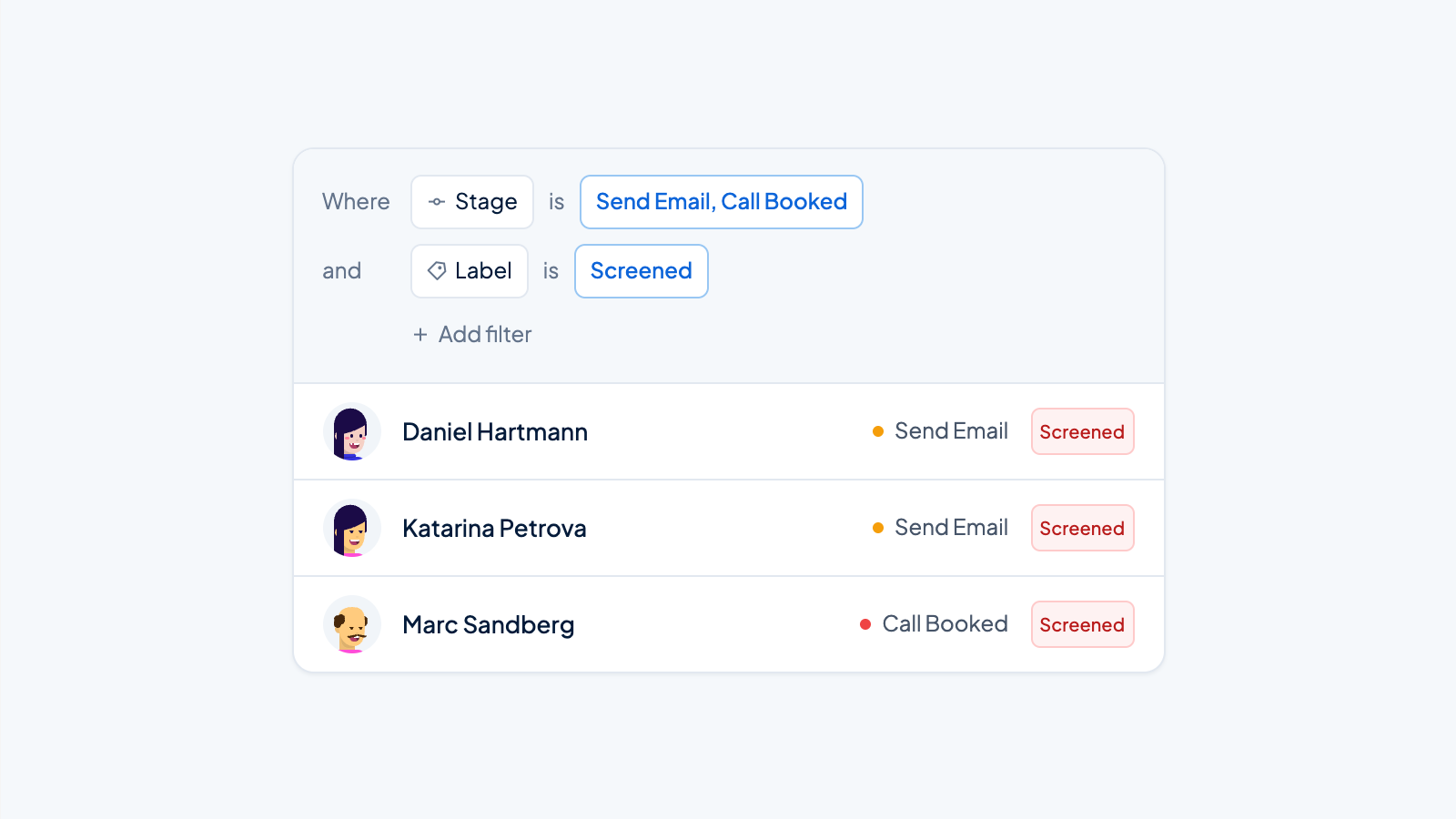
AI resume screening software offers comprehensive analytics that help recruiters make data-driven decisions during the hiring process. These recruitment analytics include candidate data, performance metrics, and real-time insights that significantly improve hiring efficiency. Modern AI resume screening software transforms raw application data into actionable information for better hiring outcomes.
What is AI resume screening analytics and why is it important?
AI resume screening analytics collects and analyzes data from the hiring process to give recruiters insight into their hiring performance and candidate quality. It forms the foundation for data-driven recruitment, where decisions are based on measurable results rather than intuition.
These analytics are crucial because they help recruiters recognize patterns in successful hires and identify inefficiencies in the hiring process. By using AI resume screening software, recruitment teams can optimize their workflow and focus on candidates with the highest likelihood of success.
The benefits of analytics-driven hiring are significant. Recruiters can spend their time more effectively by automatically identifying the most suitable candidates, while simultaneously gaining insight into which sourcing channels deliver the best results. This leads to faster vacancy fulfillment and higher satisfaction among hiring managers.
Which candidate data does AI resume screening software analyze?
AI systems analyze various data types from resumes and applications to form a complete picture of each candidate. This data is automatically extracted and categorized for further analysis and comparison with job requirements.
The main candidate data analyzed includes:
- Technical skills and competencies relevant to the role
- Work experience, including job titles, companies, and duration of employment
- Educational background with degrees, certificates, and specializations
- Language skills and geographic location
- Career progression and stability in previous roles
Additionally, the software calculates matching scores that indicate how well each candidate fits the specific job requirements. These scores are based on algorithms that weigh the relevance of experience, skills, and background against the set criteria for the vacancy.
How do recruitment analytics help optimize hiring processes?
Recruitment analytics identify bottlenecks and inefficiencies in the hiring process by measuring conversion rates between different hiring stages. These insights enable recruiters to systematically improve their workflow based on concrete data.
By analyzing the candidate journey, recruiters can see where candidates drop off and which steps in the process take too long. This helps optimize communication, shorten turnaround times, and improve the candidate experience.
Analytics also show which sourcing channels yield the most qualified candidates. Recruiters can then concentrate their efforts on the most effective platforms and methods, resulting in a higher return on their recruitment investments.
The data also helps identify success factors in previous hires. By recognizing patterns in candidates who have proven successful, recruiters can refine their screening criteria and improve future selections.
Which performance metrics does AI resume screening provide for recruiters?
AI resume screening platforms offer concrete performance metrics that help recruiters monitor and achieve their goals. These KPIs make it possible to objectively measure and improve the effectiveness of the hiring process.
Essential metrics provided include:
- Time-to-hire – the average time from vacancy opening to contract signing
- Candidate quality – based on interview scores and hiring manager feedback
- Cost per hire – total hiring costs divided by the number of successful hires
- Source effectiveness – which channels deliver the best candidates
- Candidate drop-off rates – where in the process candidates drop out
- Hiring manager satisfaction – satisfaction scores regarding presented candidates
These metrics are often presented in dashboards that provide real-time insight into recruitment performance. Recruiters can track trends, adjust goals, and respond quickly to changes in the hiring market.
What are the benefits of real-time analytics in recruitment?
Real-time analytics give recruitment teams direct access to current data about their hiring activities, enabling them to respond quickly to changes and opportunities. These immediate insights lead to better decision-making and an improved candidate experience.
Interactive dashboards display live updates of key metrics, such as incoming applications, interview scheduling, and the status of the candidate pipeline. This allows teams to act proactively when delays or issues arise in the hiring process.
The benefits of real-time reporting are multifaceted. Hiring managers receive current updates on the progress of their vacancies, while recruiters can see which candidates need immediate attention. This improves communication and prevents good candidates from being lost due to slow response times.
Real-time analytics also improve the candidate experience because recruiters can respond to applications and provide feedback more quickly. Candidates appreciate transparency about the process and timely communication, which contributes to a strong employer brand.
How Applyfin helps with recruitment analytics
Applyfin offers a comprehensive solution for organizations looking to optimize their hiring process with advanced analytics and AI resume screening. Our platform integrates all aspects of data-driven recruitment into one clear system.
Our recruitment analytics functionalities include:
- Real-time dashboards with all key KPIs and performance metrics
- Automated resume screening with matching scores and candidate ranking
- Comprehensive reporting on source effectiveness and hiring costs
- Candidate journey analytics for process optimization
- Predictive models for hiring success and candidate quality
- Integration with existing HR systems and ATS platforms
By using Applyfin, recruitment teams can optimize their entire hiring process with data-driven insights and significantly reduce their time-to-hire. Want to discover how AI-powered recruitment can transform your organization? Contact us for a personalized demo or explore all possibilities on our homepage.