How can AI reduce bias in recruitment?
Discover concrete strategies to eliminate AI bias in recruitment and achieve fair hiring.

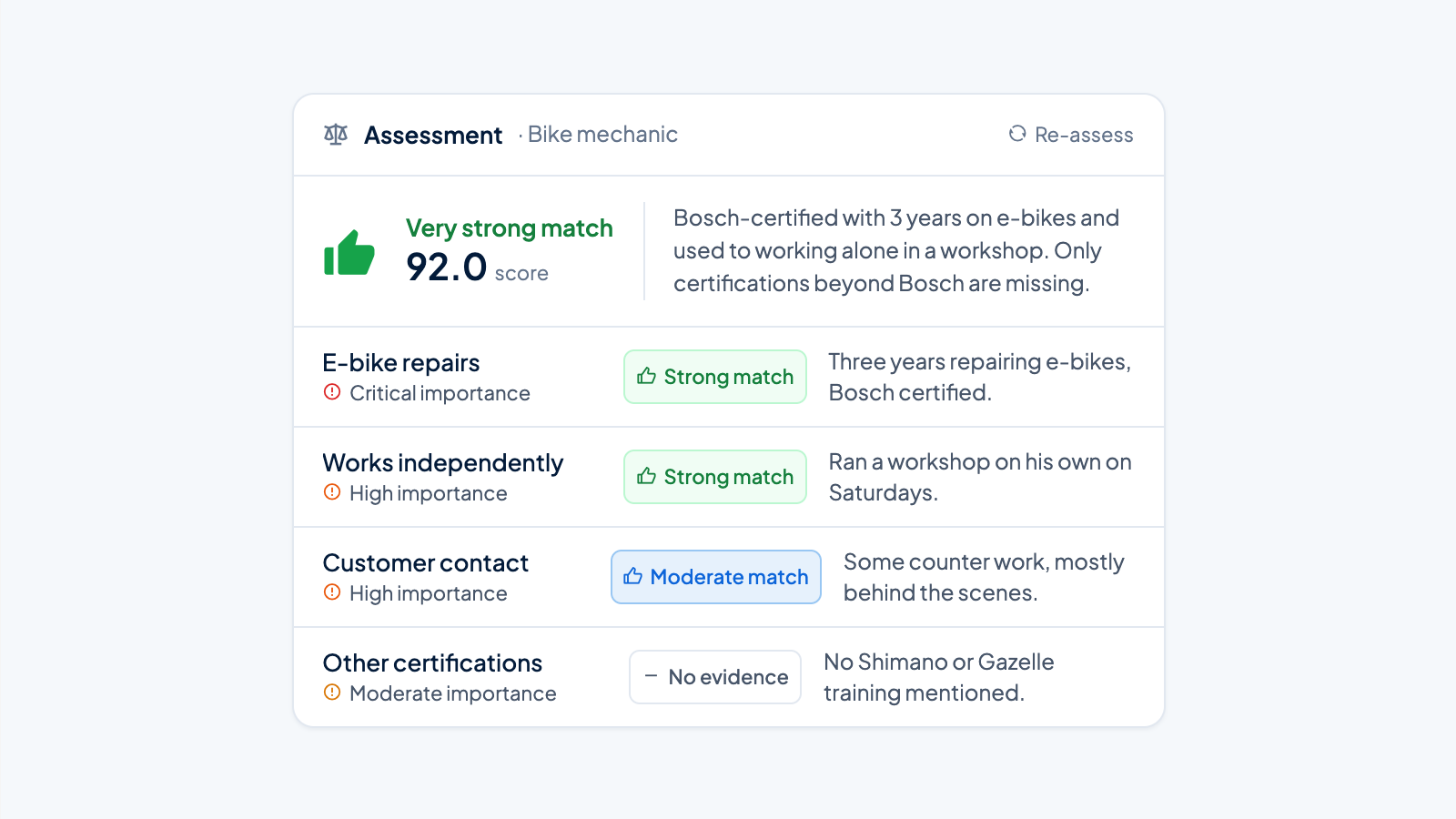
AI bias in recruitment refers to unfair biases that are embedded in automated recruitment systems. It occurs when algorithms learn discriminatory patterns from historical data or when human biases are transferred to AI tools. Reducing AI bias requires conscious efforts, such as diverse training data, regular audits, and transparent algorithms.
What is AI bias in recruitment and why is it a problem?
AI bias in recruitment occurs when algorithms systematically favor or disadvantage certain groups of candidates based on characteristics such as gender, ethnicity, age, or background. These biases are often unconsciously built into AI systems through the data they are trained on or the way they are designed.
The problem manifests itself in various ways in modern recruitment automation. For example, AI tools may systematically score male candidates higher for technical roles, or exclude candidates with certain last names. This bias undermines the goal of fair recruitment and can lead to legal issues and reputational damage.
For organizations, AI bias in recruitment means a missed opportunity for talent and diversity. It perpetuates existing workplace inequalities and can result in homogeneous teams that are less innovative and effective. In addition, companies can expose themselves to discrimination claims and negative publicity.
How does bias arise in AI recruitment systems?
Bias in AI recruitment tools arises mainly from three factors: problematic training data, flawed algorithm design, and unconscious human biases that are transferred to automated systems. The most common cause is the use of historical hiring data that reflects existing discrimination.
Problems with training data are the biggest challenge. When AI systems learn from past resumes and hiring decisions, they automatically adopt the biases that existed at the time. If a company has historically hired mostly men for leadership positions, the algorithm will interpret this pattern as 'successful'.
Algorithm design can also introduce bias. Developers make choices about which factors are important and how they are weighted. These decisions often reflect unconscious biases of the development team. In addition, human recruiters can pass their bias on to AI systems through feedback and adjustments based on their own preferences.
What concrete steps can recruiters take to reduce AI bias?
Recruiters can effectively address AI bias in recruitment with a systematic approach that starts with auditing existing data and processes. The most important thing is to act proactively before bias manifests itself in hiring decisions.
Practical strategies for bias-free recruitment include:
- Conduct regular data audits to identify patterns of discrimination
- Diversify training data by intentionally adding examples of successful candidates from different backgrounds
- Implement blind recruitment techniques that remove personal information during initial screening
- Test algorithms regularly with different demographic groups
- Train recruiters to recognize and prevent bias
Process optimizations are crucial for sustainable improvement. This means establishing clear guidelines for fair recruitment, monitoring hiring outcomes by demographic group, and adjusting algorithms when bias is detected. Transparency in the process also helps identify problematic patterns.
What are the key features of bias-free recruitment technology?
Modern recruitment technology should include built-in transparency, monitoring capabilities, and adjustable algorithms to effectively prevent bias. The best systems make their decision-making transparent and provide tools to detect and correct discrimination.
Essential features for bias-free recruitment platforms are:
- Transparent algorithms that explain why certain decisions are made
- Real-time bias monitoring that detects deviations in selection patterns
- Adjustable scoring criteria that can be evaluated regularly
- Integration of diverse training data with representative examples
- Reporting tools that show the demographic distribution of candidates
Advanced systems also offer functionalities such as structured interviews, standardized assessments, and collaborative hiring tools that minimize human bias. These AI algorithm recruitment tools work together to create a fairer and more objective hiring process.
How can you measure the effectiveness of anti-bias measures in recruitment?
Measuring the effectiveness of anti-bias measures requires a combination of quantitative metrics and qualitative evaluations that enable continuous monitoring. Successful diverse recruitment becomes visible through systematic tracking of hiring outcomes and the candidate experience.
Important KPIs for monitoring bias reduction include the demographic distribution of candidates at each stage of the hiring process, progression rates by group, and final hires compared with the candidate pool. Application times, rejection reasons, and candidate satisfaction also provide insight into possible bias.
Continuous improvement processes are essential for long-term success. This means monthly reviews of hiring data, quarterly evaluations of algorithm performance, and annual audits of the entire recruitment system. Feedback from candidates and hiring managers helps identify blind spots in the process.
How Applyfin helps eliminate AI bias
Applyfin offers a complete solution for organizations that want to eliminate AI bias from their hiring process. Our platform combines advanced technology with practical tools that help recruiters make fair and objective decisions.
Our approach includes:
- Built-in bias detection that automatically identifies discriminatory patterns
- Transparent algorithms with explanations for all scoring decisions
- Real-time monitoring of demographic diversity in the hiring process
- Structured interviews that minimize human biases
- Comprehensive reporting for continuous improvement of recruitment processes
Want to discover how Applyfin can help your organization create a fairer hiring process? Contact us today for a personal demonstration of our bias-free recruitment solution.