How can AI build talent pools?
Discover how AI automatically builds talent pools, analyzes candidates, and revolutionizes recruitment processes for modern organizations.

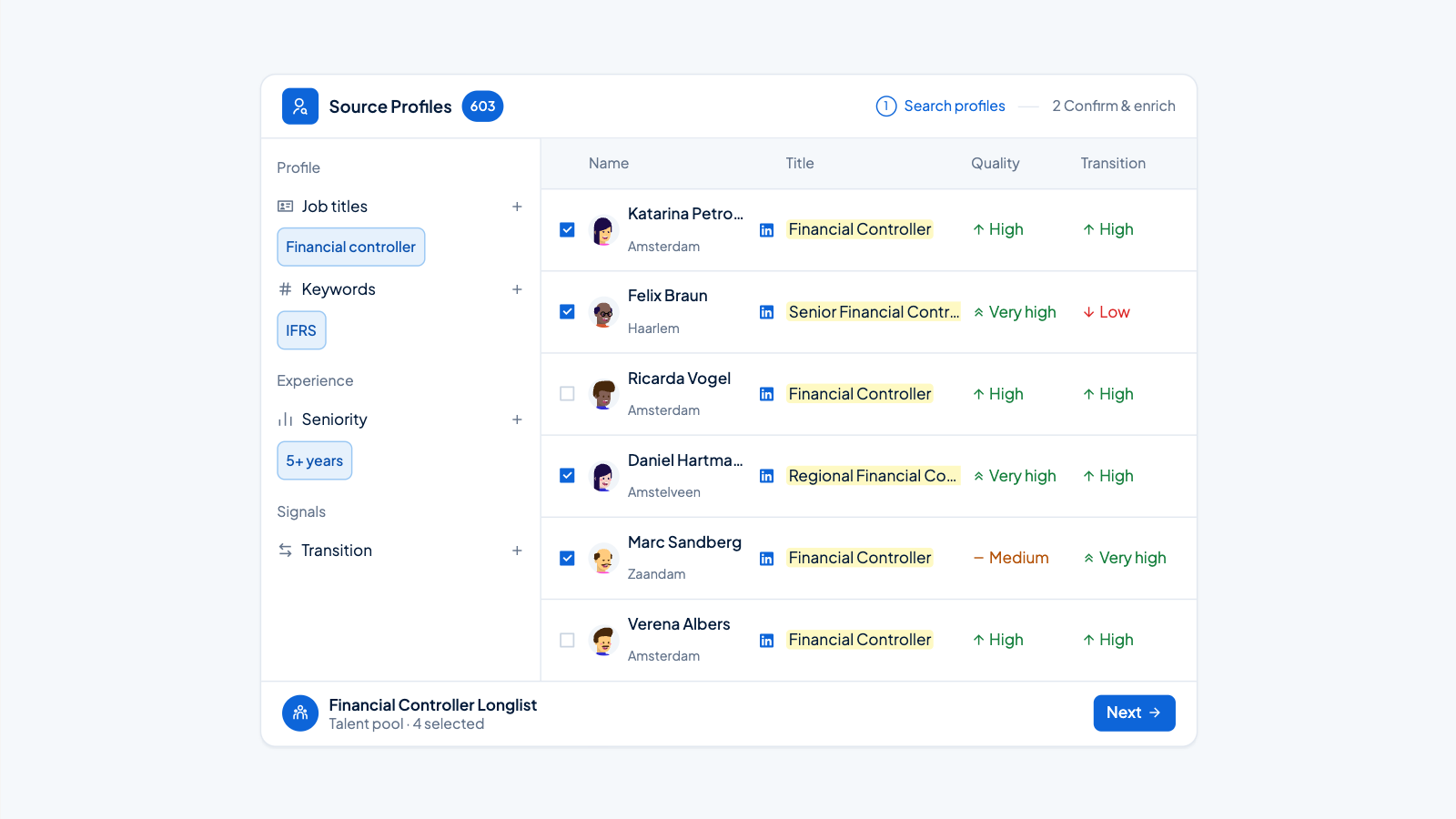
AI talent pools are intelligent databases in which artificial intelligence automatically collects, analyzes, and organizes candidate profiles for future recruitment purposes. This modern approach to talent sourcing proactively builds a reservoir of qualified candidates by using AI-driven technologies for data analysis, profile matching, and automated candidate sourcing from various online sources.
What are AI talent pools and why are they important for modern recruitment?
AI talent pools are advanced candidate databases that use artificial intelligence to automatically identify, collect, and organize talent for recruitment purposes. Unlike traditional, static databases, AI talent pools continuously analyze candidate data and keep profiles up to date using machine learning algorithms.
These intelligent systems distinguish themselves from classic recruitment methods through their proactive nature. Where traditional databases rely on manual entry and updates, AI talent pools automatically gather information from professional networks, job boards, and social media platforms. This creates a dynamic, always-current database of potential candidates.
For modern recruitment technology, AI talent pools have become essential because they help recruiters to:
- identify talent before vacancies arise
- reach passive candidates who are not actively looking
- significantly speed up recruitment processes
- improve match quality through data-driven insights
The strategic value lies in the ability to transform talent management from reactive to proactive, giving organizations a competitive advantage in tight labor markets.
How does AI automatically collect candidate data for talent pools?
AI collects candidate data by combining advanced data mining techniques with web scraping and automatic profile analysis. The system systematically scans professional platforms like LinkedIn, job boards, and public profiles to extract and structure relevant candidate information.
The technical processes behind automatic data collection include:
Web scraping algorithms continuously search online sources and extract structured data, such as work experience, skills, educational background, and contact details. Natural Language Processing (NLP) analyzes resumes and profile descriptions to identify core competencies and career patterns.
Machine learning models recognize patterns in candidate profiles and can predict which profiles are relevant for specific roles or industries. These predictive analytics help prioritize which candidates are most valuable for the talent pool.
API integrations with professional networks and recruitment platforms ensure real-time data synchronization. This keeps candidate profiles current without manual intervention, significantly increasing the reliability of the AI recruitment database.
What criteria does AI use to segment and organize talent pools?
AI uses multidimensional segmentation criteria to intelligently organize talent pools based on skills, experience, location, career level, and job preferences. Machine learning algorithms analyze these parameters to automatically classify candidates into relevant categories for different vacancy types.
The main segmentation criteria include:
- Technical skills and competencies – AI recognizes specific programming languages, certifications, and tools
- Experience level and seniority – algorithms determine career stage based on job titles and responsibilities
- Geographic location and mobility – systems analyze location preferences and willingness to relocate
- Industry background and sector expertise – pattern recognition identifies domain-specific experience
- Availability and job-seeking behavior – AI predicts candidate interest based on online activity
Advanced clustering algorithms group similar profiles and identify candidates suitable for multiple role types. This intelligent organization makes it possible to quickly approach the right talent segments when new vacancies arise.
Predictive modeling analyzes historical hiring data to forecast which candidate profiles have the highest success rate for specific roles, making recruitment automation even more effective.
What are the benefits of AI talent pools compared to traditional recruitment methods?
AI talent pools offer significant advantages over manual recruitment processes, including drastic time savings, higher match quality, cost reduction, and an improved candidate experience through personalized communication and faster response times.
The concrete benefits of AI-driven talent sourcing include:
Efficiency gains: recruiters can manage up to three times more candidates through automated screening and matching processes. Time-to-hire shortens significantly because relevant candidates are already identified and qualified before vacancies are published.
Quality improvement: data-driven matching algorithms produce better candidate fits through objective analysis of skills and experience. This results in higher acceptance rates and lower turnover percentages.
Cost savings: automated processes reduce manual screening time and lower dependence on expensive external recruitment agencies. The proactive approach reduces costs for urgent hires.
HR AI systems also offer strategic advantages, such as better diversity recruiting by eliminating unconscious bias in the initial screening stages and improved employer branding through consistent, professional candidate communication.
How do you implement AI talent pools in your recruitment strategy?
Successful implementation of AI talent pools requires strategic planning, the right technology selection, data integration, and team training. Start by defining recruitment goals and identifying which positions benefit most from proactive talent sourcing before beginning the technical implementation.
The practical implementation steps include:
- Technology evaluation and selection – choose a platform that integrates with existing HR systems
- Data source configuration – set up connections with relevant job boards and professional networks
- Segmentation strategy development – define criteria for different talent categories
- Team training and change management – train recruiters in using AI-driven workflows
- Performance monitoring and optimization – measure results and continuously refine algorithms
Common challenges during implementation are data privacy compliance, integration complexity, and team adoption. Ensure adequate GDPR compliance procedures and invest in comprehensive training to maximize user adoption.
How Applyfin helps with AI talent pools
Applyfin offers a complete solution for implementing and optimizing AI talent pools, so your recruitment team gets the most out of intelligent talent sourcing. Our platform combines advanced AI technology with user-friendly interfaces for seamless integration into existing workflows.
Our AI talent pool solution provides:
- Automatic candidate collection from 50+ sources including LinkedIn, job boards, and social networks
- Intelligent profile analysis with NLP technology for accurate skill matching
- Real-time segmentation based on 200+ criteria for personalized targeting
- Predictive analytics for forecasting candidate success and availability
- GDPR-compliant data management with full transparency and control
- Seamless integration with popular ATS systems and HR tools
Transform your recruitment process from reactive to proactive with Applyfin’s AI talent pools. Book a personal demo today and discover how you can find the right candidates up to 70% faster.