How does AI work in resume screening?
AI resume screening uses machine learning and natural language processing to automatically analyze and assess applications. The system processes in minutes what takes recruiters days, by parsing resumes, extracting relevant information, and ranking candidates by suitability. This technology provides consistent evaluation, scalability at high volumes, and faster response times for candidates. However, it requires careful implementation to prevent bias and properly assess soft skills.

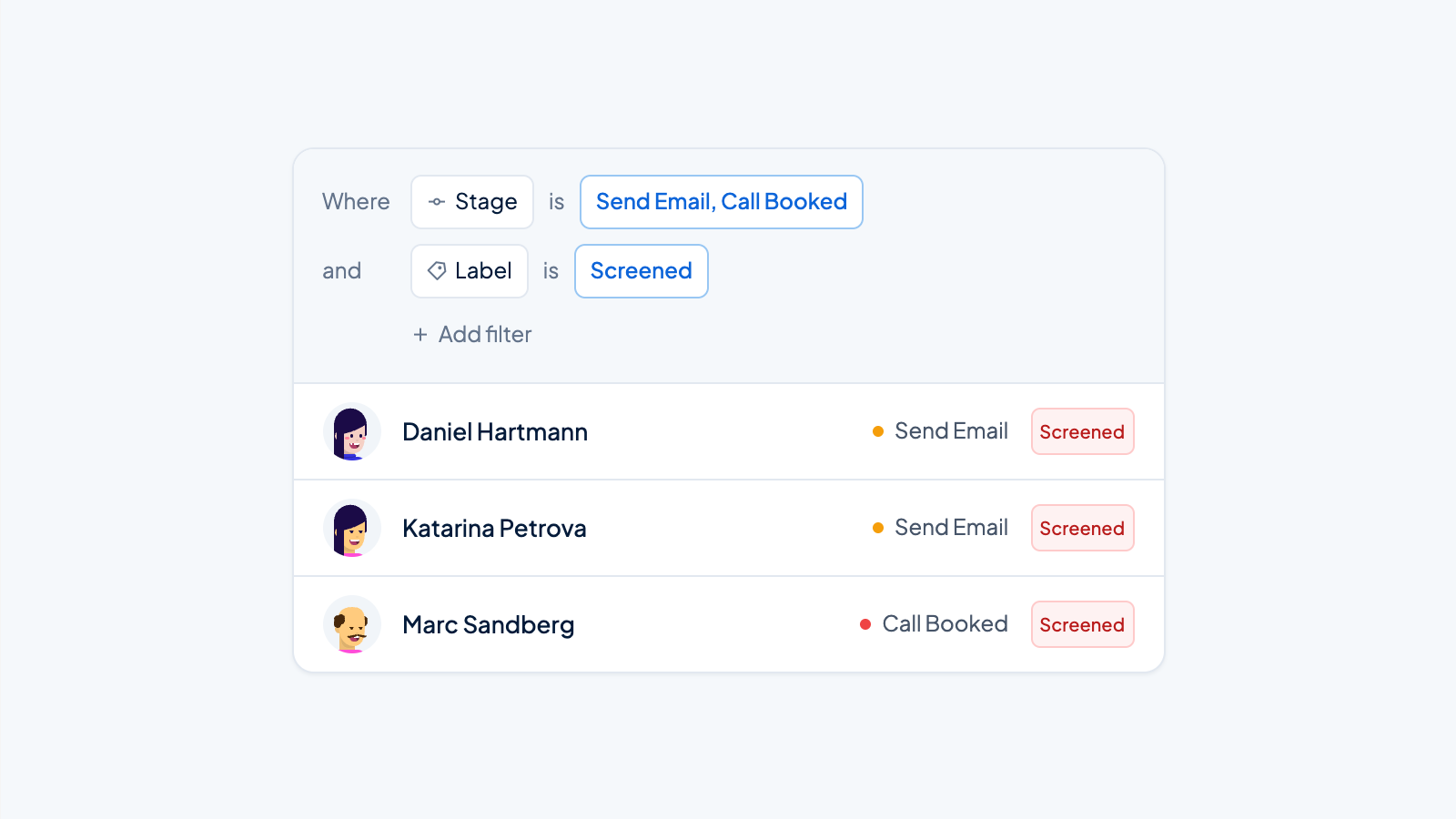
AI resume screening is an automated process where algorithms evaluate applicants based on predefined criteria. The system uses machine learning and natural language processing to analyze resumes, extract relevant information, and rank candidates by suitability for a role. This technology makes it possible to process large volumes of applications efficiently and gives recruiters more time for personal interaction with the best candidates.
What is AI resume screening and how does it differ from traditional methods?
AI resume screening is a technology that uses machine learning and natural language processing (NLP) to automatically analyze and evaluate applications. The system learns to recognize patterns in resumes and job requirements, enabling it to assess candidates without manual intervention. Unlike traditional methods where recruiters review each resume individually, AI processes hundreds of applications in seconds.
The fundamental difference lies in the approach: while human recruiters work sequentially and are limited in capacity, AI can process large volumes in parallel. The technology not only analyzes explicit information like work experience and education, but also detects implicit signals such as skills that emerge between the lines from project descriptions.
The key differences between manual and AI-driven screening are:
- Speed: AI processes in minutes what takes a recruiter days of screening time
- Consistency: Every applicant is evaluated against the same criteria, without influence from fatigue or external factors
- Scalability: The system can effortlessly process thousands of resumes without loss of quality
- Objectivity: AI focuses on relevant qualifications rather than subjective impressions
- Availability: Screening happens 24/7, even outside office hours
How does the technical process behind AI resume screening work?
The technical process of AI resume screening consists of several automated steps that together ensure an accurate evaluation. The system transforms unstructured resume data into structured information that can be compared with job requirements. This transformation uses advanced algorithms that continuously learn from new data.
Natural Language Processing (NLP) plays a central role in this process. This technology enables the system to understand human language, including synonyms, contextual meanings, and industry-specific terminology. Machine learning algorithms improve accuracy by learning from previous successful matches and recruiter feedback.
The screening process works as follows:
- Data extraction: The system pulls relevant information from the resume, such as work experience, education, skills, and certifications
- Parsing and normalization: Extracted data is converted into a standardized format, regardless of the original resume layout
- Analysis and interpretation: NLP algorithms understand the context and meaning of the information, including implicit skills
- Matching with job requirements: The system compares candidate profiles with the requirements and preferences from the job posting
- Scoring and ranking: Each candidate receives a relevance score based on the match with the role
- Presentation: Candidates are presented to the recruiter in ranked order, often with an explanation of the score
What benefits does AI screening offer recruiters and HR teams?
AI screening transforms recruitment workflows by automating time-consuming tasks. Recruiters traditionally spend many hours manually reviewing resumes, especially for popular job openings with hundreds of applications. By automating this screening, HR teams can shift their focus to more valuable activities like conducting in-depth conversations and building relationships with candidates.
The technology contributes to more objective selection decisions because the system focuses on measurable qualifications and relevant experience. While human reviewers can be unconsciously influenced by factors like name, age, or photo, AI evaluates based on predefined criteria. This leads to fairer opportunities for all applicants.
For organizations dealing with large numbers of applicants, such as in sales, customer service, or technical roles, AI provides the scalability needed to remain effective. The system maintains the same screening quality whether it's 50 or 5,000 resumes. This scalability is especially valuable during peak periods or for growing organizations.
Candidates also benefit from AI screening through faster response times. While manual processing can take days or weeks, automated screening provides clarity on an application's status within a short time. This speed improves the candidate experience and prevents good candidates from dropping out during a lengthy process.
What are the main challenges and limitations of AI resume screening?
AI systems are only as objective as the data they're trained on. When historical hiring data contains unconscious biases, the algorithm can adopt and reproduce these patterns. For example, a system that learns from past successful candidates might unintentionally favor certain backgrounds or degrees, simply because they appeared more often in the past.
Soft skills and cultural fit are difficult to assess through automated resume screening. Qualities like communication skills, team spirit, adaptability, and motivation often only become apparent during personal interaction. AI can detect signals that point to these traits, but lacks the nuance that human judgment provides.
The best results come from a hybrid approach where AI makes the initial selection and recruiters make the final decision. Human oversight remains essential to ensure match quality and to adjust where necessary. Recruiters can consider contextual factors that the system misses, such as unique career paths or transferable skills from other industries.
Privacy and GDPR compliance require careful attention when implementing AI screening. Organizations must be transparent about the use of automated decision-making and give candidates the option to request human review. Data must be stored and processed securely in accordance with applicable privacy laws.
Overly rigid matching criteria can lead to missing promising candidates who don't perfectly fit the profile but have potential. Career changers, candidates with unconventional backgrounds, or people with transferable skills from other sectors can be filtered out by strict algorithms. Regular evaluation and adjustment of the criteria helps prevent this.
How do you successfully implement AI resume screening in your recruitment process?
Successful implementation starts with a thorough analysis of your current recruitment activities and pain points. Which job openings generate the most applications? Where do recruiters spend the most time? Which quality requirements matter most? These insights determine how AI can best be deployed in recruitment processes and which features should be prioritized.
When selecting a platform, it's important to look at integration capabilities with existing systems. A solution that works seamlessly with your current tools prevents duplicate work and data silos. Modern platforms like recruitment automation software combine resume screening with applicant tracking, keeping all candidate information centrally available.
Defining clear selection criteria is crucial for effective AI screening. Work with hiring managers to distinguish must-have qualifications from nice-to-have attributes. Specify which skills, experiences, and education are relevant and how heavily they should weigh in the evaluation. These criteria form the basis on which the system assesses candidates.
Training your team is just as important as configuring the technology. Recruiters need to understand how the system works, how to interpret results, and when to apply human judgment. This builds trust in the technology and prevents the system from being perceived as a black box.
Continuous monitoring and optimization keep AI recruitment processes effective. Regularly analyze whether the selected candidates are actually successful in subsequent stages and ultimately in the role. Adjust criteria based on these insights and recruiter feedback. This iterative approach ensures the system increasingly aligns with your specific needs.
Want to discover how AI screening can speed up and improve your recruitment tasks? Get in touch for a personal consultation about the possibilities for your organization. Or see how our recruitment automation solution combines AI screening with other smart workflows to optimize your entire hiring process.