How does automated candidate screening work in practice?
Automated candidate screening uses AI and algorithms to evaluate applicants without manually reviewing every resume. This technology analyzes candidate data, compares it with job requirements, and ranks applicants by suitability. Recruiters save up to 75% of screening time, process more applications, and make more objective decisions. The system combines resume parsing, skills matching, and automated communication for faster time-to-hire. Discover how screening automation transforms your recruitment activities and which features are essential for successful implementation.

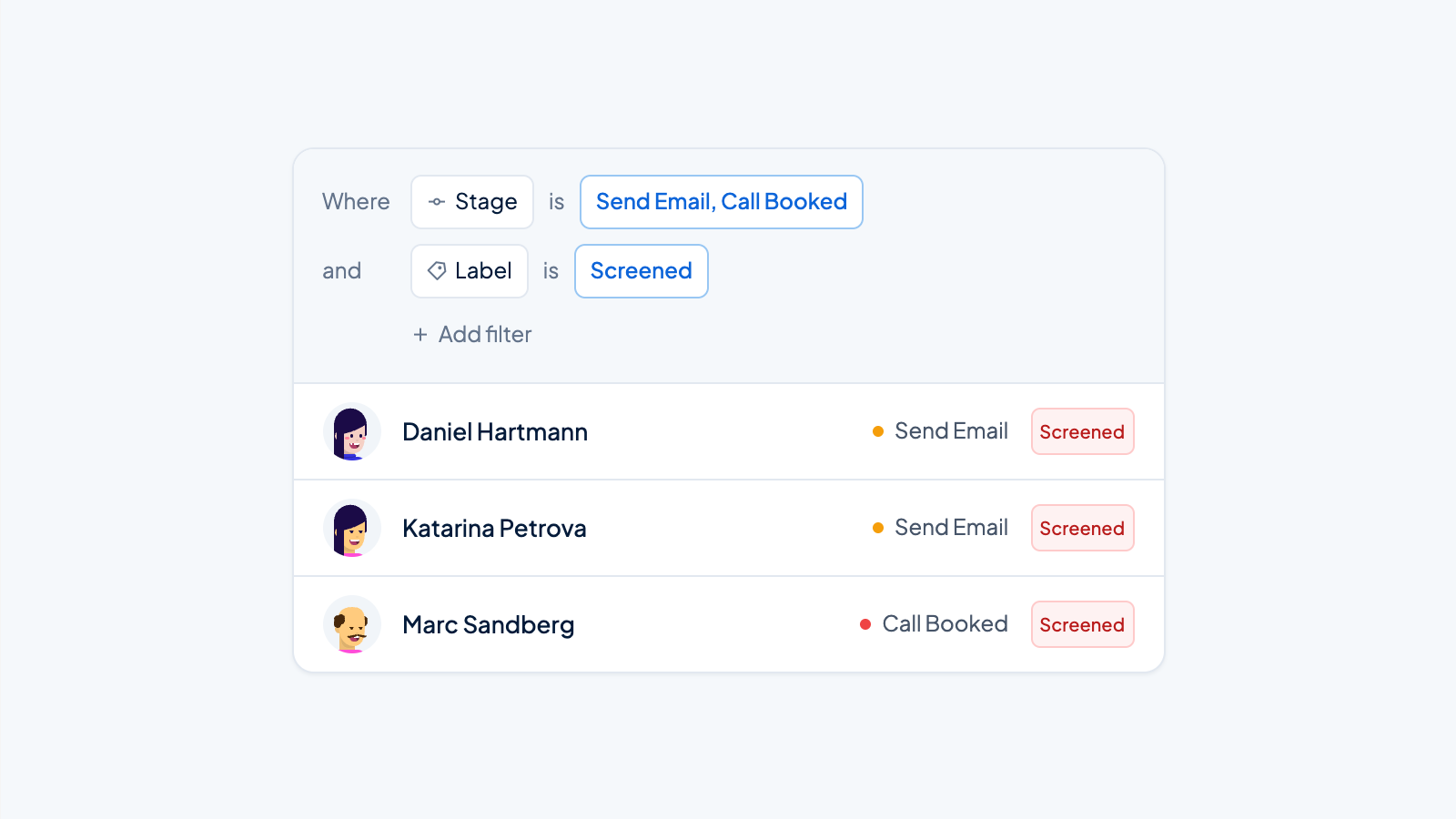
Automated candidate screening is a technology that uses AI and algorithms to evaluate, filter, and qualify applicants without manually reviewing every resume. The system analyzes candidate data, matches it against job requirements, and ranks applicants by fit. This makes AI recruitment processes faster and more efficient, so recruiters can focus on top candidates instead of administrative tasks.
What exactly is automated candidate screening?
Automated candidate screening refers to the use of software and artificial intelligence to assess applicants without recruiters having to go through each resume manually. The system reads, analyzes, and scores candidate information against predefined criteria like skills, experience, and education level.
This technology marks a major shift in recruitment work. Where recruiters used to spend hours sorting stacks of resumes, automated systems now take over that task. The software uses algorithms to recognize patterns, extract relevant information, and score candidates based on how well they fit the job.
In modern recruitment platforms, automated screening is often integrated with other features like job management and communication tools. This helps different AI recruitment processes work together seamlessly. The technology enables data-driven decisions and helps recruiters work more objectively because every profile is evaluated using the same criteria.
How does automated candidate screening work in practice?
The screening process starts as soon as a candidate applies and moves through several automated steps before a recruiter gets involved. This significantly lightens AI recruitment tasks and speeds up application processing.
- Receipt and parsing: The system receives applications from various channels (job boards, email, career site) and extracts structured data from resumes and cover letters, regardless of file format.
- Analysis and matching: AI compares the extracted information with the job requirements. The system looks for relevant keywords, skills, and years of experience that match what you're looking for.
- Qualification and scoring: Candidates receive a score or ranking based on how well their profile fits the job. This happens according to objective criteria you set up beforehand.
- Automated communication: The system sends confirmation emails, status updates, or rejections without manual intervention, improving the candidate experience.
- Pipeline management: Qualified candidates are automatically moved to the right stage in your hiring pipeline, while less suitable profiles are filtered out.
- Human review: Recruiters only review the top-scoring candidates, balancing efficiency with personal attention.
Integration with applicant tracking systems ensures that all data is available centrally. Recruiters keep full visibility over the process and can step in at any time when needed.
What benefits does automated screening offer recruiters?
Automated screening delivers concrete benefits for HR professionals and hiring managers dealing with high volumes of applications. The technology makes AI recruitment cheaper and more effective by reducing manual work.
- Time savings: Recruiters spend up to 75% less time manually reading resumes and can focus on conversations with qualified candidates.
- Higher processing capacity: You can handle more applications without extra staff, which is especially valuable for volume recruitment or seasonal peaks.
- Consistent evaluation: Every candidate profile is assessed using the same criteria, which reduces subjectivity and improves selection quality.
- Faster time-to-hire: By speeding up AI recruitment, the best candidates reach the interview stage sooner and you lower the risk of losing them to another offer.
- Lower hiring costs: Fewer hours spent on administrative work translates to lower operational costs and a better return on your recruitment investment.
- Better data insights: Automated systems collect valuable metrics about your hiring process, such as cycle times and source conversion rates.
- Improved candidate experience: Quicker response times and regular updates create a more professional impression, even when rejecting candidates.
These benefits make it possible to scale recruitment work without sacrificing quality. Teams that work with automated screening often report having more time for strategic work and relationship building with candidates.
What are the key features of screening automation?
Effective screening automation combines several technical capabilities that together accelerate the hiring process. These features determine how well the system can support your specific recruitment needs.
Resume parsing and data extraction form the foundation. The software reads different file formats and pulls out relevant information such as contact details, work experience, education, and skills. Good systems recognize this data even when resumes have different formatting.
Skills matching and qualification scoring compare candidate profiles against your job requirements. The system identifies which skills are present, calculates years of experience, and determines whether mandatory qualifications are met. This happens automatically for every application.
AI‑driven candidate ranking places applicants in order of suitability. Machine learning algorithms learn from previous successful hires and refine their assessments over time, increasing their predictive value.
Automated communication and status updates keep candidates informed without you having to write every email. The system sends confirmations, assessment reminders, and updates when someone moves to the next stage.
Integrations with job boards and ATS platforms ensure that applications automatically flow in and are processed. You don’t have to manually switch between different systems to import candidate data.
Reporting and analytics dashboards give you insight into your hiring process. You can see which sources deliver the best candidates, where delays occur, and how your conversion rates are trending.
Compliance and bias‑reduction features help you meet equal‑treatment legislation. Good systems can filter out personal characteristics that are not relevant to the job from the evaluation.
How do you implement automated candidate screening successfully?
Successful implementation of screening automation requires a thoughtful approach that brings together your current processes, technology, and people. These steps help you make the transition smooth.
- Analyze your current workflow: Map out how much time you currently spend on screening, where bottlenecks are, and which jobs generate the most volume. This determines where automation will have the biggest impact.
- Define qualification criteria: For each job type, establish clear requirements that candidates should be evaluated against. Distinguish between must‑haves and nice‑to‑haves for accurate filtering.
- Select the right platform: Choose technology that fits your organization’s size, budget, and technical capabilities. A platform with integrated AI workflows saves you the complexity of multiple standalone tools.
- Train your recruitment team: Make sure everyone understands how the system works, which tasks are automated, and where human judgment is still needed. This prevents resistance and misuse.
- Test and refine the rules: Start with a pilot period where you test the automation rules on real job openings. Check that the right candidates are getting through and adjust criteria as needed.
- Maintain human oversight: Automation should support recruiters, not replace them. Build in checkpoints where experienced recruiters review the output and make corrections.
- Measure results: Monitor metrics like time-to-hire, candidate quality, and recruiter productivity to see whether the automation is delivering the desired outcomes.
When you’re considering introducing automated screening, it’s wise to start with a clear picture of what you want to achieve. We help organizations centralize and automate recruitment processes, so teams can handle more candidates without added workload.
The right technology makes the difference between frustration and success. By choosing a solution that combines resume parsing, AI qualification, and pipeline management, you avoid having to work with disconnected systems that don’t integrate well. Want to know how automated screening can improve your specific situation? Get in touch to discuss the possibilities.
Automated candidate screening transforms how recruitment teams work. It takes over repetitive tasks, improves the consistency of your selection, and gives you more time for what really matters: meaningful conversations with the best candidates for your organization.