What are the benefits of a data-driven employer value proposition?
Data-driven employer branding increases recruitment efficiency by 40% and significantly reduces turnover through authentic employer positioning.

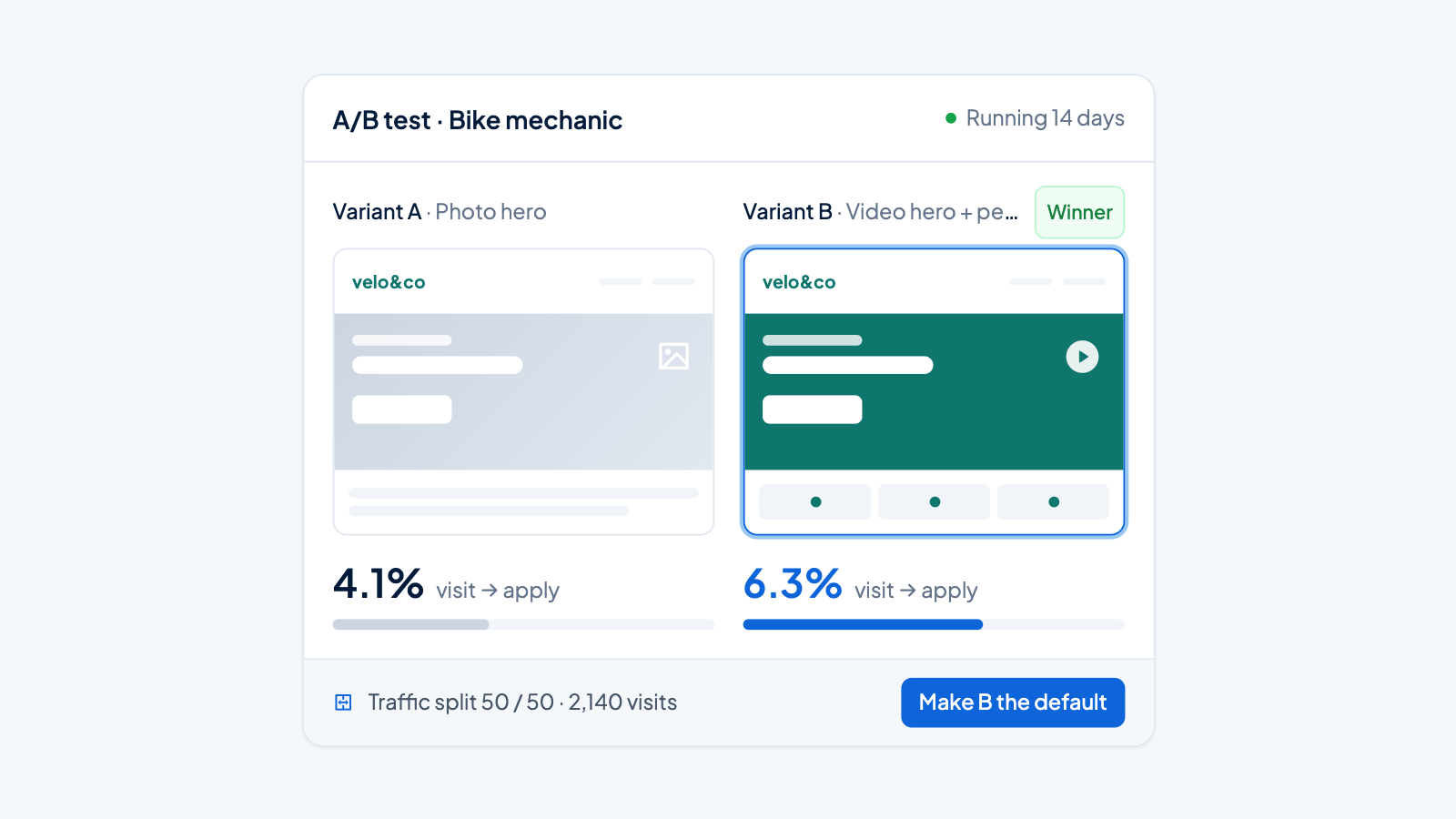
A data-driven employer value proposition uses concrete employee data and market insights to develop your employer brand. Instead of making assumptions about what employees want, you base your employer promise on real feedback, satisfaction scores, and behavioral data. This leads to a more authentic positioning that better aligns with what talent actually seeks and values in an employer.
What exactly is a data-driven employer value proposition?
A data-driven employer value proposition is an employer promise grounded in concrete data on employee satisfaction, market trends, and candidate preferences. The difference from traditional approaches lies in the objective foundation of your employer brand.
Traditional employer branding often relies on gut feeling and assumptions about what employees find attractive. A data-driven approach, by contrast, uses measurable insights like exit interviews, employee satisfaction surveys, and recruitment data to shape your employer promise.
This approach has become crucial because modern employees expect transparency. They want to see evidence of what you promise as an employer. Data helps you tell authentic stories that genuinely match the work experience inside your organization.
Why are more and more companies choosing a data-driven approach to employer branding?
Organizations are switching to data-driven employer branding because the labor market has become more competitive and employees are more discerning. They want to optimize their recruitment investments and achieve better results.
The main reasons for this shift are:
- Changing employee expectations: a greater need for transparency and authenticity
- Increased availability of HR analytics tools and platforms
- Pressure to reduce recruitment costs and increase efficiency
- Need for measurable results from employer branding efforts
- Competition for scarce talent in specific sectors
Today, employees check online reviews, actively compare employers, and make well-informed choices. An employer value proposition that doesn’t match reality is quickly exposed, which can lead to reputational damage and higher turnover.
What concrete benefits does a data-driven employer value proposition deliver?
A data-driven employer value proposition improves your recruitment results through better candidate attraction, higher acceptance rates, and lower hiring costs. You attract candidates who fit your organizational culture better and stay longer.
The measurable benefits include:
Improved recruitment efficiency: By aligning your employer promise with what candidates truly seek, you raise the quality of applications and shorten time-to-hire.
Lower turnover: Employees attracted by a realistic employer value proposition have clearer expectations and are more satisfied in their role.
Cost savings: Fewer mismatches and shorter vacancy times significantly reduce your total hiring costs.
Stronger employer brand: Authenticity in your employer promise leads to more positive online reviews and a better reputation on platforms like Glassdoor.
Higher employee engagement: When your employer value proposition matches reality, employees feel more connected to the organization.
How do you implement a data-driven employer value proposition in your organization?
Implementation starts with collecting relevant data from various sources within your organization. You need both quantitative and qualitative data to get a complete picture of your employee value.
Follow these steps for a successful implementation:
- Gather existing data from HR systems, satisfaction surveys, and exit interviews.
- Conduct additional research among current employees and recently departed staff.
- Analyze external data, such as salary benchmarks and competitor analyses.
- Identify the unique value proposition based on your data insights.
- Develop messaging and communication materials that reflect your findings.
- Test your new employer value proposition with a small target group.
- Roll out in phases and monitor results continuously.
Involve key stakeholders, such as HR, marketing, and management, from the start. Their buy-in is essential for a successful rollout and adoption of the new approach.
Which data and metrics are most important for your employer value proposition?
The most important metrics for your employer value proposition are employee satisfaction, turnover rates, time-to-hire, and candidate experience scores. These KPIs provide insight into both your current employee value and your appeal to new candidates.
Focus on these essential data points:
- Employee Net Promoter Score (eNPS): Measures how likely employees are to recommend your organization as an employer.
- Turnover rates per department: Identify where problems exist and what works well.
- Time-to-hire and cost-per-hire: Measure the efficiency of your recruitment process.
- Candidate experience feedback: Understand how applicants experience your organization.
- Glassdoor ratings and reviews: Monitor your online employer reputation.
- Offer acceptance rates: Measure how attractive your offers are.
Don’t forget to also collect qualitative data through interviews and focus groups. These provide context for the numbers and help you understand why certain trends occur.
How do you measure the success of your data-driven employer branding strategy?
Measure success by establishing baseline measurements and regularly monitoring how your KPIs evolve after implementing your data-driven employer value proposition. Use dashboards for continuous tracking and quarterly reports for deeper analysis.
Set up a robust measurement framework with these elements:
Leading indicators: Application numbers, candidate quality, and candidate experience scores give early signals about the effectiveness of your approach.
Lagging indicators: Turnover rates, employee satisfaction, and time-to-fill positions show the long-term impact of your employer branding efforts.
Benchmark comparisons: Compare your performance against industry standards and direct competitors to understand your relative position.
Plan monthly data reviews and quarterly strategy evaluations. This helps you adjust quickly when certain aspects of your employer value proposition aren’t delivering the desired results.
How Applyfin helps you develop a data-driven employer value proposition
Applyfin offers the perfect solution for implementing a data-driven employer value proposition through advanced recruitment analytics and integrated data insights. Our platform supports you at every step of the process:
- Automated data collection: Automatically gather candidate and recruitment data for in-depth analysis
- Real-time analytics: Monitor your employer branding performance with live dashboards and reports
- Candidate experience tracking: Measure and optimize the candidate experience throughout the entire hiring process
- Benchmarking tools: Compare your performance against industry standards and competitors
- Integrated communication: Ensure consistent messaging that aligns with your data-driven insights
With Applyfin, you transform your recruitment data into powerful employer branding insights that deliver real results. Contact us and discover how you can develop an authentic, data-driven employer value proposition that attracts and retains the right talent.