How do you automatically schedule job interviews?
Automatically scheduling job interviews saves HR teams 60-80% time. Discover how interview automation transforms your recruitment process.

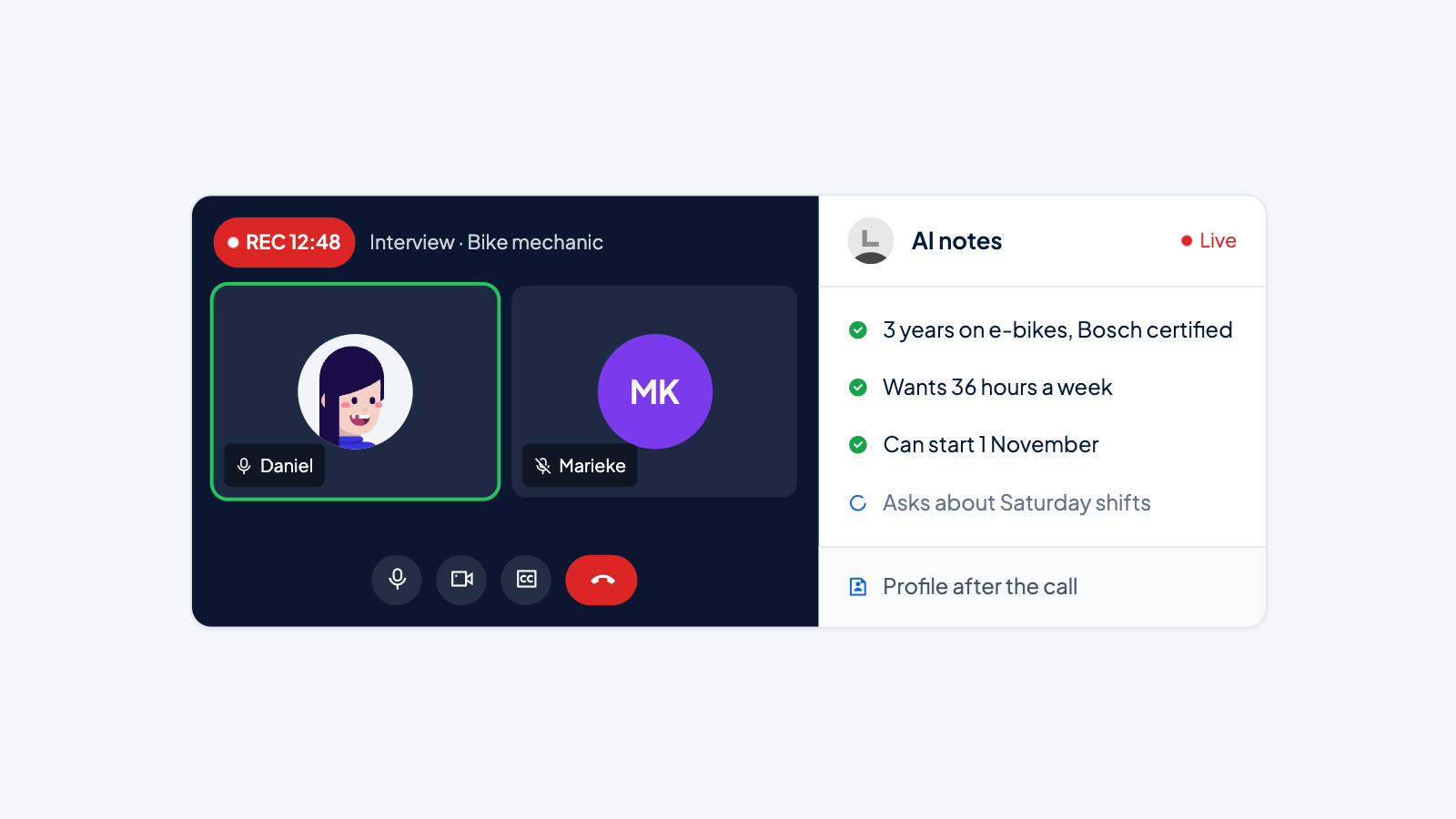
Automated interview scheduling is a technology that lets candidates choose their own interview times from available slots in recruiters' calendars. This system eliminates the traditional email back-and-forth between HR teams and candidates, reducing the scheduling process from days to minutes. Modern recruitment software integrates this functionality directly into the hiring process, creating a better experience for both candidates and recruiters.
What exactly does automated interview scheduling mean?
Automated interview scheduling means candidates can independently select their interview time through a digital system, without HR staff involvement. The technology syncs with recruiters' calendars and only shows available time slots to candidates.
The technology behind scheduling automation works through integration with calendar systems like Google Calendar, Outlook, or other professional calendar applications. When a candidate is invited for an interview, they receive a link to a scheduling portal where available times are displayed. The system automatically accounts for time zones, buffers between interviews, and interviewers' preset availability.
For modern recruitment processes, this automation has become essential because it drastically reduces the administrative burden. Recruitment software with integrated scheduling functionality allows HR teams to focus on the actual selection process rather than logistical tasks. This is especially valuable in high-volume recruitment, where dozens of interviews need to be scheduled each week.
What benefits does automated interview scheduling offer HR teams?
Automated interview scheduling saves HR teams an average of 60–80% of the time normally spent coordinating appointments. This allows teams to handle more candidates without hiring additional staff, directly contributing to a more efficient recruitment workflow.
The key benefits for HR teams are:
- Time savings: no more email exchanges about availability and times
- Reduced administrative burden by eliminating manual calendar coordination
- Better candidate experience through direct control over scheduling
- Increased efficiency in recruitment workflows through seamless integration
- Fewer no-shows thanks to automatic reminders and confirmations
Additionally, automated scheduling enables better data tracking. HR teams gain insight into scheduling patterns and popular time slots and can optimize their availability based on this information. This leads to a more data-driven approach to recruitment planning.
How does automated interview scheduling work in practice?
The process begins when a candidate is selected for an interview. The system automatically generates a scheduling link that is sent via email or SMS. Candidates click the link, see available time slots, and select their preference. The appointment is instantly added to all relevant calendars.
The step-by-step process works as follows:
- Selection of the candidate in the recruitment system
- Automatic generation of a scheduling link
- Sending an invitation with access to the scheduling portal
- The candidate selects a preferred time from the available slots
- Automatic calendar synchronization for all parties involved
- Confirmations and reminders are sent automatically
The technical aspects include real-time synchronization with calendar systems, time zone detection, and buffer management between interviews. Workflow automation ensures that follow-up actions, such as sending interview details, location information, and preparation materials, happen automatically after the appointment is confirmed.
What tools and software are available for interview automation?
There are several categories of scheduling software available, from standalone scheduling tools to integrated recruitment software platforms. Standalone tools focus purely on scheduling, while integrated systems combine interview automation with full applicant tracking functionality.
The main categories include:
- Standalone scheduling platforms for basic scheduling functionality
- Integrated HR systems with built-in interview automation
- Enterprise recruitment platforms with advanced workflow automation
- Specialized interview management tools for large organizations
Key features to look for are calendar synchronization, time zone support, automatic reminders, customizable email templates, reporting functionality, and mobile accessibility. The best systems integrate seamlessly with existing HR tools such as applicant tracking systems, HRIS platforms, and communication tools.
Integration with existing systems is crucial for a smooth workflow. Modern recruitment software, like our platform, combines interview automation with full pipeline management, allowing all recruitment activities to be managed in one system.
What are the best practices for implementing automated interview scheduling?
A successful implementation starts with defining clear availability patterns and training the recruitment team. Set realistic time slots that account for preparation time between interviews and ensure backup plans are in place when technical issues arise.
Practical implementation tips:
- Start with a pilot group before rolling out organization-wide
- Define standard interview lengths and buffer times
- Set clear availability patterns per interviewer
- Create templates for automated communication
- Train the team on using the new system
- Monitor and optimize based on user data
Common mistakes to avoid include not setting adequate buffers between interviews, unclear communication to candidates about the scheduling process, and failing to test integrations beforehand. Also, ensure a backup process is in place for when candidates experience technical issues with the scheduling tool.
How do you ensure automated scheduling improves the candidate experience?
Automated scheduling improves the candidate experience by giving candidates control over their interview timing and eliminating wait times. The system should be intuitive and include clear instructions so candidates can select their preferred time without frustration.
User-friendliness is central to a good candidate experience. The scheduling portal should be responsive for mobile devices, display clear time zone information, and offer simple navigation. Candidates should be able to schedule their interview in just a few clicks, without creating an account or filling out complex forms.
Communication during the scheduling process remains essential. Automatic confirmations, reminders, and clear instructions about the location or video call details ensure a professional experience. Maintaining a personal touch is possible through personalized email templates and the option for candidates to reach out with questions.
How Applyfin helps with automated interview scheduling
Applyfin offers a complete solution for automating your interview scheduling, fully integrated into our recruitment system. With our advanced scheduling functionality, you eliminate manual scheduling processes and significantly increase your HR team's efficiency.
Our automated scheduling features include:
- Seamless calendar synchronization with Google Calendar, Outlook, and other professional calendar systems
- Intelligent time zone detection and automatic adjustment for international candidates
- Fully customizable email templates and automatic reminder systems
- Mobile-optimized scheduling portal for an optimal candidate experience
- Real-time reporting on scheduling patterns and no-show statistics
- Direct integration with your complete recruitment workflow and candidate tracking
Ready to revolutionize your interview scheduling? Contact us today for a personal demonstration of our automated scheduling solution and discover how you can save time while improving the candidate experience.