How do you build and manage a recruitment pipeline?
Pipeline management in recruitment is a structured approach that guides candidates through different stages of the hiring process, from initial contact to hire. It gives recruiters visibility, structure, and control over the candidate flow, allowing them to see exactly where each candidate is and what actions are needed. With effective pipeline management, you maintain a clear overview at high volumes and improve the quality of your recruitment by gaining insight into conversion rates and bottlenecks.

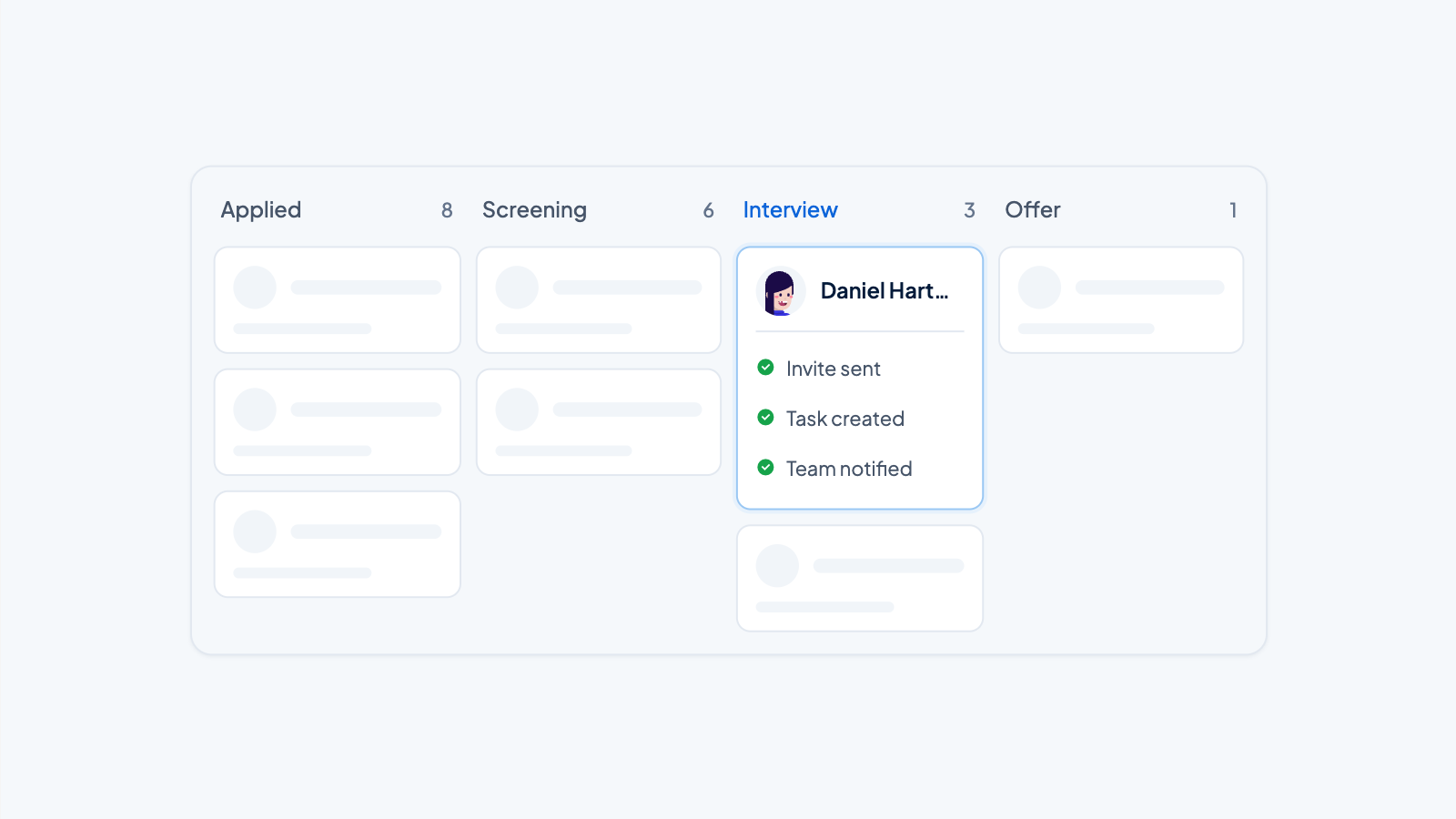
Pipeline management in recruitment is a structured approach in which candidates are guided through different stages of the hiring process, from first contact to hire. It gives recruiters visibility, structure, and control over candidate flow, so they can see exactly where each candidate is and what actions are needed. With effective pipeline management, you maintain oversight at high volumes and improve the quality of your hiring.
What exactly is pipeline management in recruitment?
Pipeline management is the systematic organization and monitoring of all candidates moving through your hiring process. It includes making every stage in which candidates find themselves transparent, from initial interest to final hire, and actively steering this flow to bring in the best talent.
The core of pipeline management consists of three components. First, it provides complete visibility into where each candidate is in the process. Second, it creates structure by defining clear stages and criteria. Third, it gives control by providing insight into bottlenecks and conversion rates between stages.
For recruiters, this means they no longer work reactively but can proactively steer for results. You see at a glance how many candidates are in each stage, where delays occur, and which job openings need extra attention.
Why is pipeline management important for recruiters?
Structured pipeline management delivers concrete benefits that directly impact your recruitment results. It enables recruiters to work more systematically and make better decisions based on data instead of gut feeling.
The most important benefits are:
- Time savings through automated workflows and clear processes that reduce repetitive work
- Better candidate experience because applicants get faster feedback and don't fall through the cracks
- Higher conversion rates because you see exactly where candidates drop off and can optimize this
- Insight into bottlenecks so you can quickly adjust when delays occur in certain stages
- Increased efficiency so recruiters can manage more job openings simultaneously without loss of quality
- Predictability in your hiring results through historical data and trends
With high volumes of applicants, pipeline management is essential. Without a structured approach, candidates get lost, recruiters miss deadlines, and hiring quality declines. With a well-designed system, you maintain oversight even when managing dozens of job openings and hundreds of candidates at the same time.
What stages are in a recruitment pipeline?
A typical recruitment pipeline consists of seven consecutive stages that candidates move through. Each stage has specific actions and decision points that determine whether a candidate advances to the next step.
- Sourcing: Actively searching for and attracting potential candidates through job boards, social media, networks, and other channels. You build a pool of interested talent here.
- Screening: Reviewing resumes and cover letters to determine which candidates meet the basic requirements. This stage filters out unsuitable applicants.
- Initial selection: A short phone or video interview to align mutual expectations and gauge motivation. Here you check whether candidates are genuinely interested and available.
- Assessment: Conducting more in-depth interviews, practical tests, or assessments to evaluate skills and cultural fit. This stage provides insight into actual competencies.
- Final interview: The final interview with hiring managers or leadership in which the final decision is prepared. Salary, terms, and expectations are discussed here.
- Offer: Making a formal offer and negotiating employment terms. You wait for the candidate's acceptance.
- Onboarding: Preparing the start and guiding the new employee during the first period. This stage ensures a smooth transition into the job.
Not every organization uses exactly these stages. Depending on your industry, role level, and company culture, you can merge, add, or adapt stages to your specific situation.
How do you build an effective recruitment pipeline?
Setting up a functional recruitment pipeline requires a systematic approach in which you clearly define the structure, criteria, and responsibilities. Start by analyzing your current process before making improvements.
Define clear stages that align with your hiring process. Choose names that make sense to everyone on the team and ensure each stage has a clear goal. Avoid too many stages, because that makes the process unnecessarily complex.
Establish specific criteria for each stage that candidates must meet to advance. This prevents subjective decisions and ensures consistency. Document these criteria so everyone involved works to the same standards.
Determine who is responsible for which actions in each stage. Assign tasks to recruiters, hiring managers, and other stakeholders. Clear responsibilities prevent candidates from waiting too long for feedback.
Implement tracking mechanisms to monitor progress. These can be simple spreadsheets, but specialized software makes it much easier. Measure conversion rates between stages and lead times to identify bottlenecks.
Test your pipeline with a few job openings before rolling it out fully. Gather feedback from your team and candidates to refine the process. A pipeline is never finished, but evolves with your organization.
What is the difference between pipeline management and applicant tracking?
Pipeline management and applicant tracking are often used interchangeably, but they are fundamentally different concepts that complement each other. Pipeline management is the strategic approach and methodology, while an Applicant Tracking System (ATS) is the technology that supports this approach.
Pipeline management focuses on the strategy behind your hiring process. It is about how you guide candidates through stages, which criteria you use, how you optimize conversions, and where you intervene. It is the human, strategic side of recruitment.
Applicant tracking is the technical infrastructure that stores candidate data, records communication, and automates processes. An ATS is the system in which your pipeline lives, but it does not determine the quality of your hiring strategy.
You can apply pipeline management without an advanced ATS, for example with spreadsheets. But a good ATS makes pipeline management much more effective through automation, reporting, and visibility. The combination of strong methodology and supporting technology delivers the best results.
How do you optimize pipeline management with automation?
Modern automation and AI in recruitment processes are transforming how recruiters manage their pipelines. By automating repetitive tasks, you gain more time for strategic work and personal contact with the best candidates.
Automated screening saves a tremendous amount of time in the early stages. AI can analyze resumes, score candidates on relevant criteria, and even predict which applicants have the highest chance of success. This does not mean human judgment disappears, but that you identify the right candidates faster.
Smart notifications ensure that no candidate is forgotten. Automatic reminders for follow-ups, deadlines, and next actions keep your pipeline moving. Candidates receive timely updates, which greatly improves the experience.
Data-driven insights from automated reports show exactly where your pipeline has bottlenecks. You see which stages take too long, where candidates drop off, and which sources produce the best talent. These insights make AI recruitment tasks much more effective.
Workflow optimization through automation makes AI recruitment activities not only faster but also more consistent. Standard emails are sent automatically, interviews are scheduled without endless back-and-forth emailing, and documents are automatically collected.
At ApplyFin, we have integrated these principles into a platform that combines pipeline management and AI workflows. Recruiters can manage up to three times more applicants because AI recruitment processes become cheaper and AI recruitment faster without loss of quality.
Want to see how modern automation can improve your recruitment pipeline? Contact us for a personal demonstration of our approach. Or discover more about our recruitment automation solutions specifically developed for organizations with high hiring volumes.
When choosing automation tools, it is important to focus on functionality that truly adds value. Look for systems that integrate with your existing tools, are flexible enough to adapt to your process, and remain user-friendly for your whole team.