What impact does a strong employer value proposition have on recruitment?
A strong EVP improves candidate quality, lowers recruitment costs, and significantly shortens recruitment time.

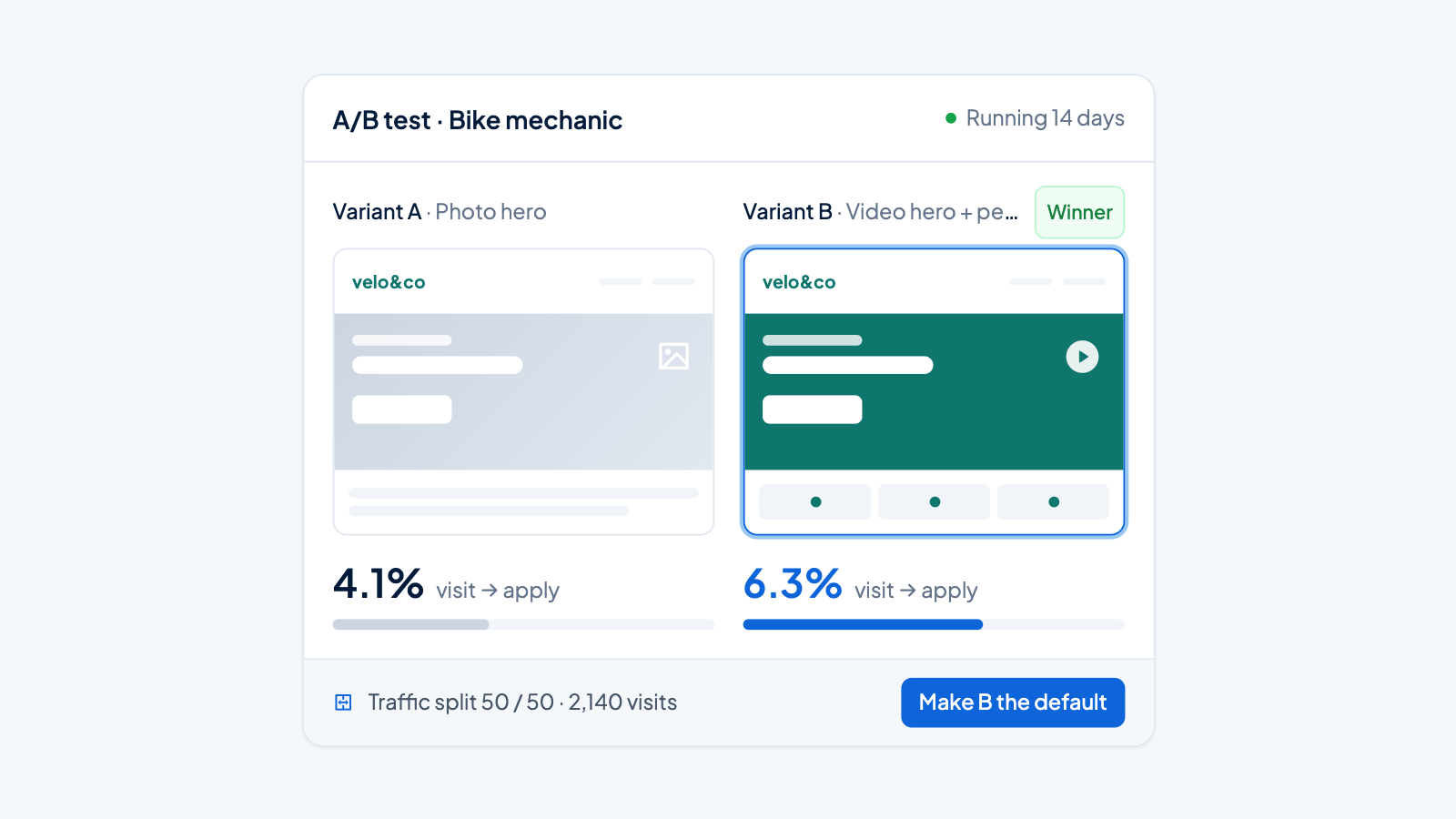
A strong employer value proposition has a transformative impact on recruitment by attracting the right candidates, increasing application quality, and lowering hiring costs. A well-developed EVP ensures clear communication about what makes your organization unique as an employer, so qualified candidates feel drawn to it faster and unsuitable candidates filter themselves out. This results in a more efficient recruitment funnel with higher conversion rates.
What is an employer value proposition and why is it crucial for recruitment?
An employer value proposition is the unique combination of benefits, values, and experiences an organization offers employees in exchange for their talent and commitment. It goes beyond salary and benefits by also covering culture, growth opportunities, work environment, and company mission.
The core components of a strong EVP are:
- Compensation and benefits – salary, bonuses, and secondary benefits
- Work culture and values – how people work together and what is considered important
- Career opportunities – development, training, and growth opportunities
- Work-life balance – flexibility and support for personal well-being
- Meaningful work – impact and contribution to larger goals
An EVP stands out from general employer branding because it is specific and measurable. While employer branding often stays superficial, an EVP goes deeper into concrete benefits and experiences. In today's tight labor market, this is essential because candidates make more conscious choices and have higher expectations of potential employers.
How does a strong EVP influence the quality of candidates who apply?
A clear employer value proposition acts as a natural filter that attracts qualified candidates and discourages unsuitable applicants. Candidates can better judge whether they fit the organization before applying, resulting in a better match between role and applicant.
The impact on candidate quality is noticeable through several mechanisms. When your EVP clearly communicates what makes your organization unique, you automatically attract people who identify with those values. Candidates who are only interested in a higher salary, without regard for culture or development, will be less likely to apply if your EVP emphasizes teamwork and learning.
A strong EVP also improves the quality of cover letters and interviews. Candidates who are drawn to your specific value proposition can better explain why they want to work for you. This makes it easier for recruiters to identify motivated candidates and distinguish between superficial and genuine interest.
What concrete benefits does a well-developed employer value proposition offer?
A well-developed EVP delivers measurable benefits that directly impact recruitment efficiency and business results. The main benefits include shorter hiring times, lower cost per hire, and improved employee retention.
The concrete benefits of a strong EVP are:
- Higher application quality – more qualified candidates per vacancy
- Shorter time-to-hire – faster decision-making due to better candidate fit
- Lower recruitment costs – less advertising budget needed due to organic appeal
- Improved employee retention – new employees stay longer because expectations are accurate
- Higher acceptance rates – candidates more often say yes to job offers
- Better referrals – satisfied employees recommend the organization to their network
The ROI of EVP investments becomes visible through reduced recruitment costs and higher productivity of new employees. Organizations that invest time in developing their employer value proposition often see improvements in their recruitment metrics within six months.
What are the biggest mistakes companies make when developing their EVP?
The most common mistake in EVP development is creating generic messaging that does not differentiate you from competitors. Many organizations use the same clichés, such as “we are one big family” or “we offer challenging projects,” without specific details that highlight their uniqueness.
Other common missteps include:
- Lack of authenticity – making promises that are not kept in daily practice
- Insufficient differentiation – not making clear what makes you different from other employers
- Ignoring employee feedback – developing an EVP without input from current employees
- Too much focus on benefits – only talking about what you give, not about what candidates can contribute
- Inconsistent communication – different messages on different platforms
A successful EVP requires honesty about both the benefits and the challenges of working at your organization. Candidates appreciate transparency and can better decide whether they are a good fit for the role and the culture.
How do you measure the success of your employer value proposition in recruitment?
The success of your employer value proposition is measured through specific KPIs that reflect the effectiveness of recruitment processes. The most important metrics include candidate experience scores, conversion rates in the recruitment funnel, and long-term retention of new employees.
Practical ways to measure the effectiveness of your EVP include:
- Quality of applications – the percentage of qualified candidates per vacancy
- Time-to-hire – the average time between posting a vacancy and acceptance
- Acceptance rates – how many candidates say yes to job offers
- Candidate experience scores – feedback from applicants about the recruitment process
- Employee retention – whether new employees stay longer than expected
- Referral rates – how many new candidates come in through current employees
Modern HR technology and recruitment automation tools make it possible to track these metrics in detail. By combining data from different sources, organizations gain insight into which aspects of their EVP are most effective for different target groups.
How Applyfin helps with employer value proposition development
Applyfin supports organizations in optimizing their employer value proposition by providing advanced recruitment data and candidate insights. The platform helps HR teams measure and improve their EVP effectiveness by:
- Real-time candidate analytics – insight into which aspects of your EVP resonate most with candidates
- Automated A/B testing – test different EVP messages to identify the most effective ones
- Candidate journey mapping – understand where candidates drop off and why
- Benchmarking tools – compare your EVP with market standards and competitors
- Recruitment process optimization – ensure your EVP is communicated consistently
Want to discover how Applyfin can strengthen your employer value proposition and improve your recruitment results? Book a demo and experience how data-driven recruitment takes your organization to the next level.