What are the reporting capabilities of AI resume screening software?
Discover how AI resume screening software offers comprehensive reporting tools for data-driven recruitment decisions.

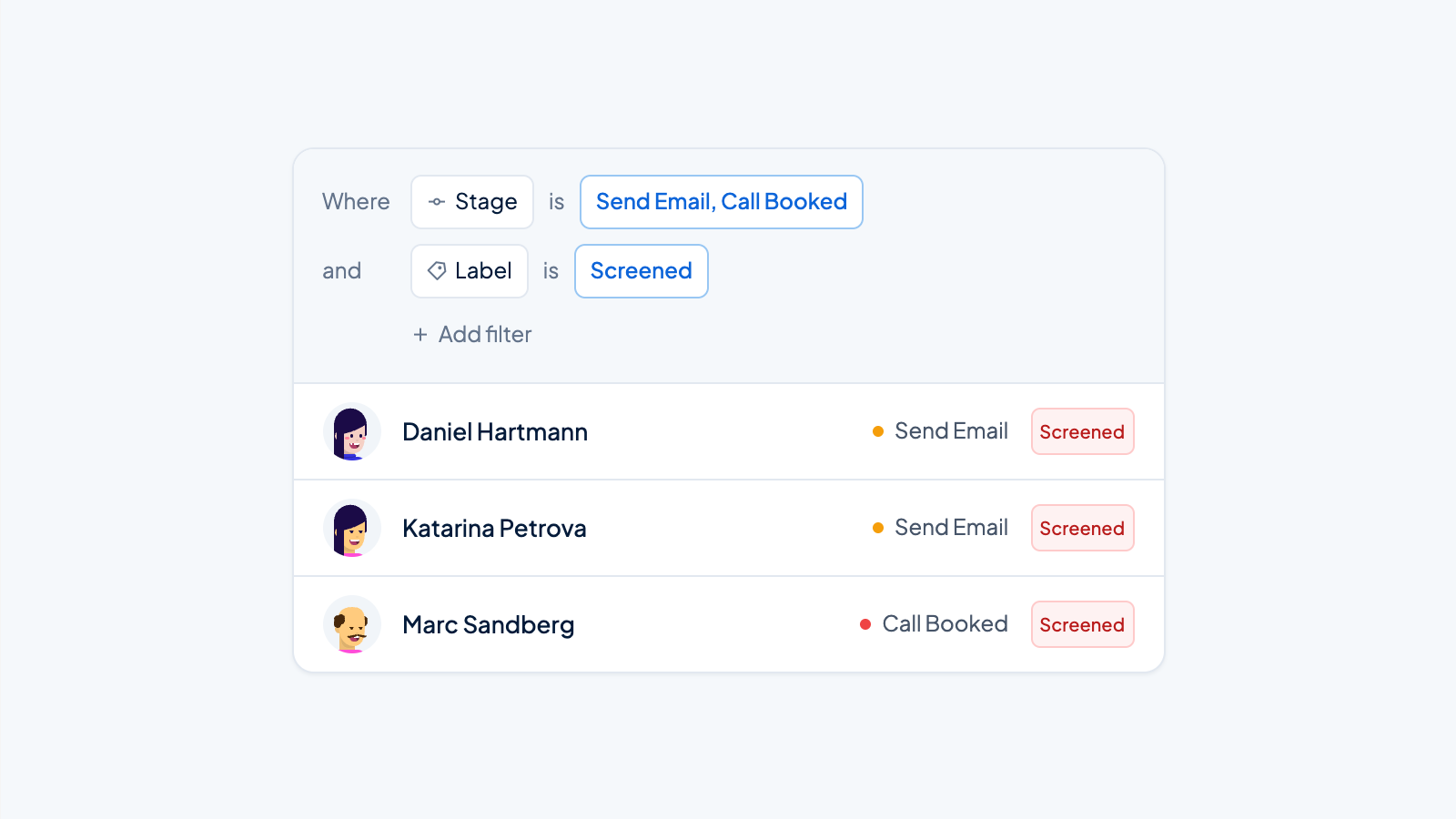
AI CV screening software offers comprehensive reporting capabilities that help recruiters make data-driven decisions. Modern systems deliver real-time dashboards, candidate analytics, sourcing metrics, and pipeline tracking that provide insight into the effectiveness of the recruitment process. These reporting tools make it possible to continuously optimize screening processes and maximize recruitment ROI.
What are the key reporting features of modern AI CV screening software?
Modern AI CV screening software contains four essential reporting components: real-time dashboards for live monitoring, candidate analytics for in-depth profile analysis, sourcing metrics for channel effectiveness, and pipeline tracking for process monitoring. These features work together to give recruiters complete visibility into their screening activities.
Real-time dashboards form the central control center where all key metrics come together. You see immediately how many CVs have been screened, which candidates have been referred, and where any delays occur. This live monitoring prevents good candidates from falling through the cracks.
Candidate analytics go deeper than basic screening results. The system analyzes patterns in successful hires, identifies which skills are most predictive of job success, and shows demographic trends in your candidate pool. These insights help you refine your screening criteria.
Sourcing metrics show the effectiveness of different recruitment channels. You discover which job boards, social media platforms, or referral programs deliver the best candidates. This enables you to allocate your recruitment budget optimally.
How do real-time dashboards help optimize your recruitment process?
Real-time dashboards identify bottlenecks in the screening process immediately by showing live data on turnaround times, screening volumes, and candidate conversion rates. They alert you to deviations and show trends that manual tracking would miss, allowing you to make proactive adjustments.
The dashboard functionalities include automatic alerts when screening volumes suddenly drop or rise. You receive notifications when certain vacancies unexpectedly yield few qualified candidates. These early warning signals help you take action quickly.
Live metric tracking shows not only what is happening, but also why. If your screening accuracy drops, you immediately see whether this is due to changing candidate profiles or adjustments to your criteria. This context makes the difference between reactive and proactive recruitment management.
Performance visualizations make complex data understandable for all stakeholders. Hiring managers immediately see the progress of their vacancies, while recruitment teams can focus on the processes that need the most attention.
Which specific metrics can you measure with AI CV screening reporting?
AI CV screening reporting measures five crucial KPIs: screening accuracy (percentage of correctly identified candidates), time-to-hire (average turnaround time), candidate quality scores (algorithm assessments), sourcing effectiveness (conversion rates per channel), and cost-per-hire (total recruitment costs per successful hire).
The most important measurable metrics are:
- Screening accuracy percentage – shows how often the AI system correctly predicts which candidates are suitable
- Time-to-hire metrics – from initial screening to job offer acceptance
- Candidate quality scores – based on the match with job requirements and historical success data
- Source effectiveness ratios – which channels deliver the best candidates
- Cost-per-hire calculations – including software, time, and external recruitment costs
Screening accuracy is crucial because it reflects the reliability of your AI system. High accuracy means less manual review and faster decision-making. Time-to-hire metrics help you remain competitive in a tight labor market.
Candidate quality scores go beyond CV matching. They analyze language use, career progression, and skill development to predict potential. This deeper analysis significantly improves the quality of your shortlists.
How can you use reporting data to improve your screening criteria?
Reporting data improves screening criteria by analyzing patterns in successful hires and using these insights for algorithm adjustments. You identify which criteria are too strict or too broad and adjust weights based on actual job performance data from previously hired candidates.
The analysis process starts by comparing initial screening scores with actual job performance. Candidates who scored high during screening but performed poorly in the role point to criteria that are given too much weight. Conversely, strong performers with low screening scores reveal undervalued criteria.
Pattern identification goes deeper than individual cases. For example, the system discovers that candidates with certain certifications consistently perform better, even though these were not originally defined as requirements. These hidden correlations improve your screening effectiveness.
The following steps optimize your criteria systematically:
- Collect performance data from recently hired candidates (at least six months of work experience).
- Correlate their screening scores with actual job performance ratings.
- Identify criteria that have no predictive value.
- Test adjusted criteria on a small group of new candidates.
- Implement improvements gradually and monitor the results.
What are the benefits of automated reporting versus manual tracking?
Automated reporting saves 75–80% of the time that manual tracking requires, eliminates human error, and provides real-time insights that manual methods cannot deliver. The main benefit is the ability to continuously optimize through constant data analysis and automatic adjustments.
Traditional manual reporting requires hours of data collection from different systems, spreadsheet maintenance, and manual calculations. These processes are not only time-consuming, but also error-prone. A single incorrectly entered formula can cause weeks of wrong decisions.
Automated systems, by contrast, collect data directly from all recruitment touchpoints. They update reports in real time and can perform complex analyses that would be impossible manually. Machine learning algorithms discover patterns that human analysts would overlook.
The accuracy benefits are significant. Manual data entry introduces errors in 2–5% of cases, while automated systems deliver consistently accurate data. This reliability is crucial for strategic decision-making.
Continuous optimization becomes possible because automated systems analyze data 24/7. They identify trends as soon as they emerge and can even create predictive analyses. Manual systems miss these real-time insights because people cannot constantly monitor data.
How Applyfin helps with AI CV screening reporting
Applyfin offers a complete solution for recruiters who want to optimize their screening process with advanced reporting capabilities. Our platform combines all essential features in one user-friendly environment:
- Real-time dashboards with complete pipeline tracking and automatic alerts
- In-depth candidate analytics with predictive quality scores
- Sourcing effectiveness metrics for optimal budget allocation
- Automated reporting that saves 80% of time
- Continuous algorithm optimization based on your success data
With Applyfin, you transform your recruitment process from reactive to proactive. Our AI-driven technology not only analyzes your current performance, but also predicts trends and optimization opportunities. The result: faster hires, better candidate quality, and measurably lower recruitment costs.
Start today with a free demo and discover how our recruitment automation platform can improve your hiring results.