How do you measure recruitment marketing ROI?
Bad hires cost €15,000–75,000. Discover practical methods to make recruitment ROI measurable and optimize budget decisions.

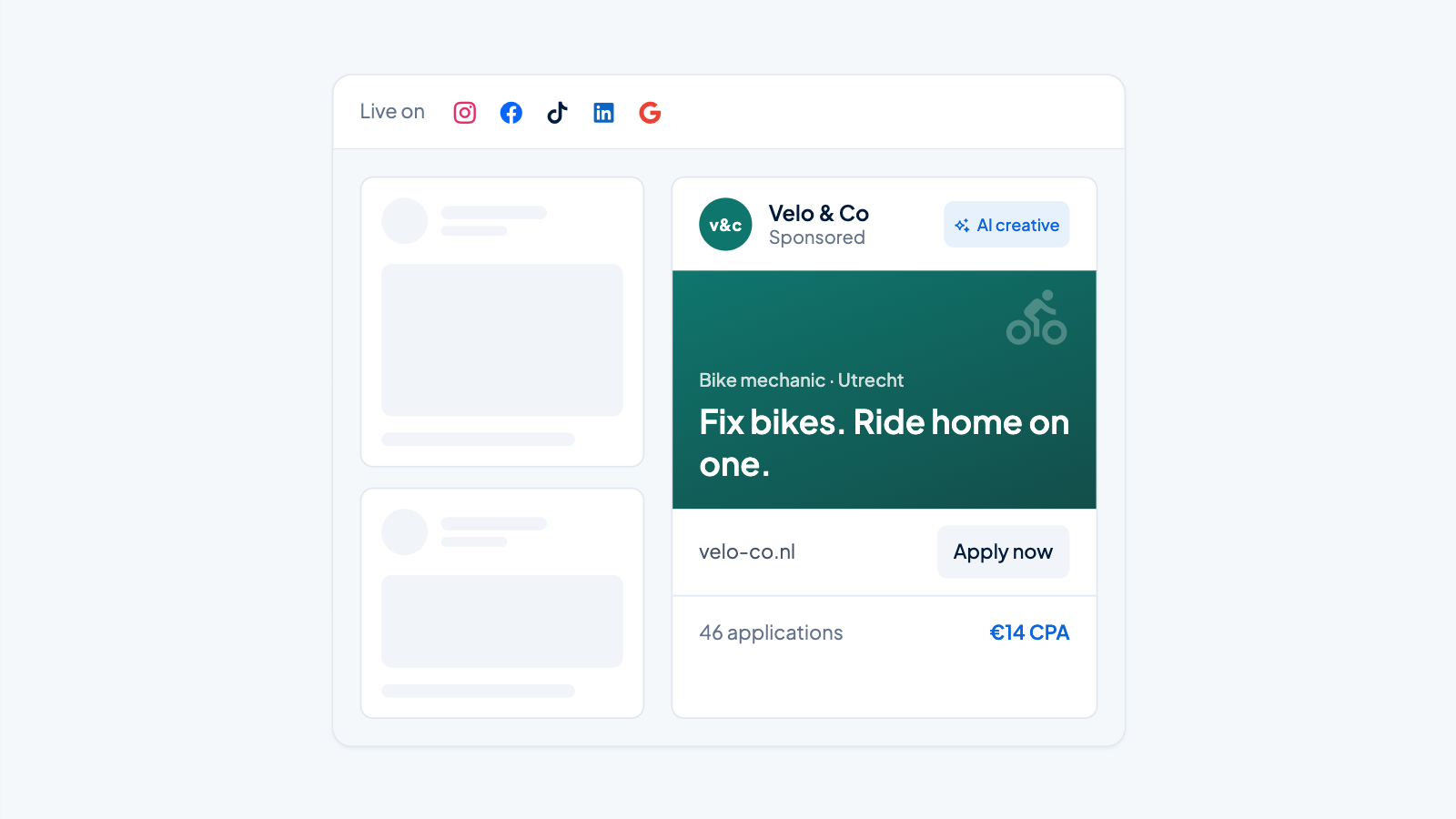
Recruitment marketing budgets grow every year, but how many companies actually know what their investments are yielding? Without clear ROI measurements, the effectiveness of recruitment marketing remains a gamble rather than a strategic decision. For HR professionals and hiring managers, it’s becoming increasingly important to make recruitment marketing ROI measurable and to demonstrate concrete results.
Calculating the payback period of recruitment investments goes beyond simply counting new hires. It requires a systematic approach where you weigh all costs against both direct and indirect benefits. In this article, you’ll discover practical methods for effectively calculating HR ROI and how to optimally leverage recruitment marketing measurement methods for better results.
Why recruitment marketing ROI is crucial for modern companies
Bad hiring decisions cost companies an average of 15,000 to 75,000 euros per wrong hire. These costs arise from lost productivity, repeated recruitment processes, and training new employees. Recruitment ROI measurements help avoid these pitfalls by providing insight into which channels and strategies actually deliver quality candidates.
Measurable results lead to better budget decisions. When you know exactly which recruitment channels attract the highest-quality candidates at the lowest cost, you can allocate your marketing budget more strategically. This results not only in cost savings but also in faster vacancy fulfillment with candidates who are a better fit for your organization.
Strategic planning becomes possible through consistent data collection. Teams that structurally measure their recruitment marketing ROI can identify trends, recognize seasonal patterns, and proactively adapt their approach to changing market conditions.
Which KPIs determine your recruitment marketing success?
Essential recruitment KPIs give you a complete picture of your hiring effectiveness. Cost-per-hire shows how much each successful hire costs, including advertising expenses, recruiter time, and system subscriptions. Time-to-fill measures how quickly you fill vacancies, which directly impacts company productivity and the candidate experience.
Quality of hire is perhaps the most important metric, but also the hardest to measure. This KPI combines performance reviews, retention rates, and the promotion velocity of new employees. Source effectiveness shows which channels deliver the best candidates, so you can focus your budget on the most productive sources.
Conversion rates at different stages of the recruitment funnel reveal where candidates drop off. By analyzing this data, you can identify bottlenecks and optimize your process for better results.
Practical methods for calculating recruitment ROI
The basic formula for ROI in recruitment is: (Value of hired candidates – Total recruitment costs) / Total recruitment costs × 100. Gathering the necessary data requires systematic recording of all recruitment expenses and assigning costs to specific channels.
For an accurate hiring ROI analysis, you need to include both direct and indirect costs:
- Direct costs: advertising budget, recruiter salaries, ATS licenses
- Indirect costs: managers’ time for interviews, onboarding costs, productivity loss during vacancies
- Calculating benefits: increased productivity, avoided costs of external hiring, improved team performance
Measuring indirect benefits can be complex, but it’s crucial for a complete picture. Think of reduced workload on existing teams, faster project delivery due to full staffing, and improved customer satisfaction through more stable teams.
Tools and systems for effective ROI tracking
Modern recruitment analytics tools enable automated ROI tracking. ATS systems with built-in reporting features can automatically assign costs to different channels and provide real-time insights into recruitment performance.
Google Analytics for recruitment websites helps you understand which traffic sources deliver the most qualified candidates. By setting up conversion tracking, you can follow the complete candidate journey, from website visit to hire.
Advanced platforms combine all recruitment data into a single overview. They automate repetitive tasks like data collection and report generation, giving recruiters more time for strategic activities and candidate interaction.
Avoiding common mistakes in recruitment ROI measurement
Ignoring hidden costs leads to unrealistic ROI calculations. Many organizations forget to include costs like managers’ time, interview facilities, or the impact of long-standing vacancies on team productivity.
A short-term focus can produce misleading results. Recruitment marketing effectiveness should be measured over longer periods to average out seasonal effects and market fluctuations. A month with low ROI can be part of a successful long-term strategy.
Insufficient data collection undermines any ROI analysis. Inconsistent recording, missing cost tracking, or failing to document recruitment activities make reliable measurements impossible.
Focusing solely on costs without including quality metrics can lead to penny-wise, pound-foolish decisions. Cheap recruitment channels that deliver poor candidates ultimately cost more than more expensive channels with better results.
From data to action: making the most of ROI insights
Interpreting ROI data requires context and nuance. Trends are more important than individual measurements, and comparisons between different periods provide more insight than absolute numbers. Identify patterns in your best-performing channels and analyze what makes them successful.
Improvement opportunities arise from systematic analysis of underperformers. Channels with low ROI can sometimes be improved through adjustments in messaging, targeting, or timing, rather than complete elimination.
Budget allocations between channels should be based on both ROI and strategic goals. A channel with lower ROI but access to scarce specialists can still be valuable for specific roles.
Data-driven recruitment strategies for continuous optimization emerge through regular evaluation and adjustment. Set up monthly reviews to discuss performance and adjust quarterly strategies based on gathered insights.
How Applyfin helps measure recruitment marketing ROI
Applyfin makes measuring recruitment marketing ROI easier by centralizing all recruitment data in one platform. The system automates cost tracking, integrates with various recruitment channels, and generates real-time ROI reports without manual data entry.
Key benefits for ROI tracking:
- Automated cost-per-hire calculations per channel
- Real-time conversion tracking throughout the entire recruitment funnel
- AI-driven insights for budget optimization
- Integrated analytics for all recruitment activities
By automating recruitment processes and delivering data-driven insights, our platform helps HR teams maximize their recruitment marketing ROI. The ability to manage up to three times more candidates at lower costs results in a measurable improvement in recruitment effectiveness.
Want to discover how automated ROI tracking can improve your recruitment results? Contact us for a personal demo, or visit our website for more information about our recruitment automation solutions.