What is conversion optimization for recruitment?
Discover how systematic conversion optimization transforms your recruitment results and attracts top talent faster than competitors.

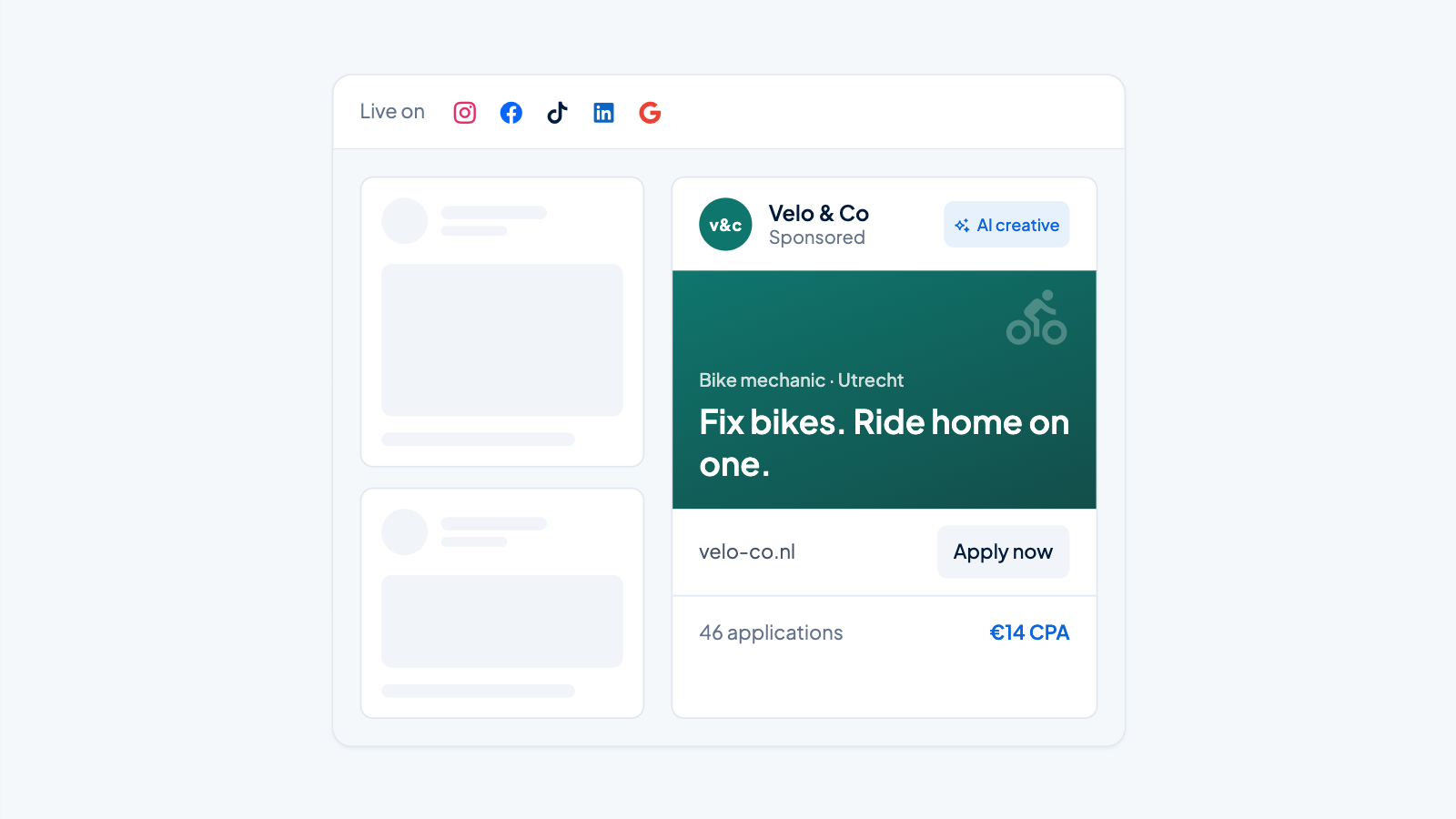
In the competitive world of recruitment, small improvements in your hiring process make the difference between finding top talent and losing candidates to competitors. Conversion optimization for recruitment is about systematically improving every step of your recruitment process, from the initial job posting to the final hire. Modern HR teams are discovering that traditional recruitment methods often lead to low conversion rates and missed opportunities.
This article explores how you can improve your hiring results through strategic optimization of your recruitment funnel. You'll learn practical techniques, modern tools, and measurable strategies that directly impact your application conversion.
What is conversion optimization in recruitment?
Conversion optimization in recruitment means systematically improving the transition between each stage of your hiring process. Just as e-commerce companies convert visitors into buyers, HR professionals optimize the path from candidate interest to successful hire.
The recruitment conversion funnel consists of several conversion points:
- Job viewed to application submitted
- Application to initial screening
- Screening to interview invitation
- Interview to offer
- Offer to acceptance
Each transition offers opportunities for improvement. An average improvement of 10% per stage can dramatically increase your overall hiring results. Modern HR teams use data-driven approaches to identify bottlenecks and resolve them systematically.
Why traditional recruitment methods fail at conversion
Traditional recruitment processes suffer from structural problems that hinder candidate conversion. Manual workflows create delays and inconsistencies that deter top candidates. A lack of real-time tracking means recruiters only discover where candidates drop off after the fact.
The candidate experience suffers from fragmented systems. Applicants often have to fill out multiple forms, endure long wait times, and tolerate unclear communication. This friction increases the likelihood that qualified candidates will drop out before the process is complete.
Moreover, traditional methods lack the capability for continuous optimization. Without detailed analytics, teams cannot identify which job descriptions perform better or where in the process the most candidates are lost.
Optimizing the recruitment conversion funnel
Each stage of your hiring funnel requires specific optimization strategies and measurable KPIs. The systematic approach starts with mapping your current conversion rates per stage.
Optimization per stage:
- Job to application: Focus on compelling job descriptions, clear role specifications, and simple application procedures. Measure click-through rate and application conversion.
- Application to screening: Implement automated pre-screening to identify relevant candidates faster. Measure the time between application and first contact.
- Screening to interview: Use structured assessment criteria and fast decision-making. Monitor the conversion from screened to interviewed candidates.
- Interview to offer: Optimize your interview process and shorten decision times. Measure the time from interview to offer.
- Offer to acceptance: Improve your offer strategy and negotiation process. Measure acceptance rates and reasons for rejection.
Practical strategies for higher application conversion
A/B testing of job descriptions reveals which approaches appeal most to candidates. Test different titles, role descriptions, and call-to-action phrasing to maximize your application conversion.
Optimized application procedures eliminate unnecessary steps and reduce friction. A simple, mobile-friendly form can significantly increase your conversion rates. Implement progress indicators so candidates know how many steps remain.
Automation of follow-up processes ensures consistent communication and enhances the candidate experience. Automated confirmation emails, status updates, and reminders keep candidates engaged throughout the entire process.
Personalization in communication creates a stronger connection with potential employees. Use candidate data to send relevant, targeted messages that align with their specific background and interests.
Technology and tools for recruitment conversion
Modern ATS systems offer integrated analytics and automation capabilities that enable conversion optimization. These platforms centralize candidate data and provide insight into every stage of your hiring process.
AI-driven screening tools analyze resumes and cover letters to identify the most suitable candidates. Machine learning algorithms can recognize patterns that human recruiters might miss, leading to better matching and higher conversion rates.
Automated workflows eliminate manual tasks and ensure consistent processes. From automatic confirmation emails to scheduled follow-ups, technology can optimize your hiring process and give recruiters more time for strategic activities.
Chatbots and conversational AI can answer initial candidate questions and collect basic information, lowering the barrier to application and improving the candidate experience.
Measuring results and continuous improvement
Effective conversion optimization requires robust measurement methods and regular analysis of your recruitment metrics. Dashboards provide real-time insight into the performance of your recruitment funnel and identify trends and improvement opportunities.
Key metrics to track:
- Conversion rate per funnel stage
- Time per hiring stage
- Cost per hire
- Candidate satisfaction scores
- Source effectiveness for different roles
Regular reporting and analysis help identify patterns and make data-driven decisions. Monthly reviews of your conversion metrics show which optimizations are working and where further improvement is needed.
Continuous improvement means implementing a cycle of testing, measuring, and adjusting. Small, incremental changes can, over time, lead to significant improvements in your overall hiring results.
How Applyfin helps with conversion optimization
Applyfin offers an integrated platform that optimizes every stage of your recruitment conversion funnel. Our system centralizes job management, candidate tracking, and AI-driven workflows to measurably improve your hiring results.
Key benefits:
- Automated workflows that eliminate manual tasks
- AI screening that identifies qualified candidates faster
- Integrated analytics for real-time conversion monitoring
- A centralized platform that consolidates all candidate data
Recruiters using our features can manage up to three times more applicants while improving the quality of their hires. Our platform reduces recruitment costs by up to 60% through optimized workflows and better candidate matching.
Ready to take your recruitment conversion to the next level? Contact us for a personal demonstration of how Applyfin can transform your recruitment process, or discover more about our solutions for modern HR teams.