How do you track candidates through the selection process?
Discover how effective candidate tracking transforms your selection process and attracts top talent.

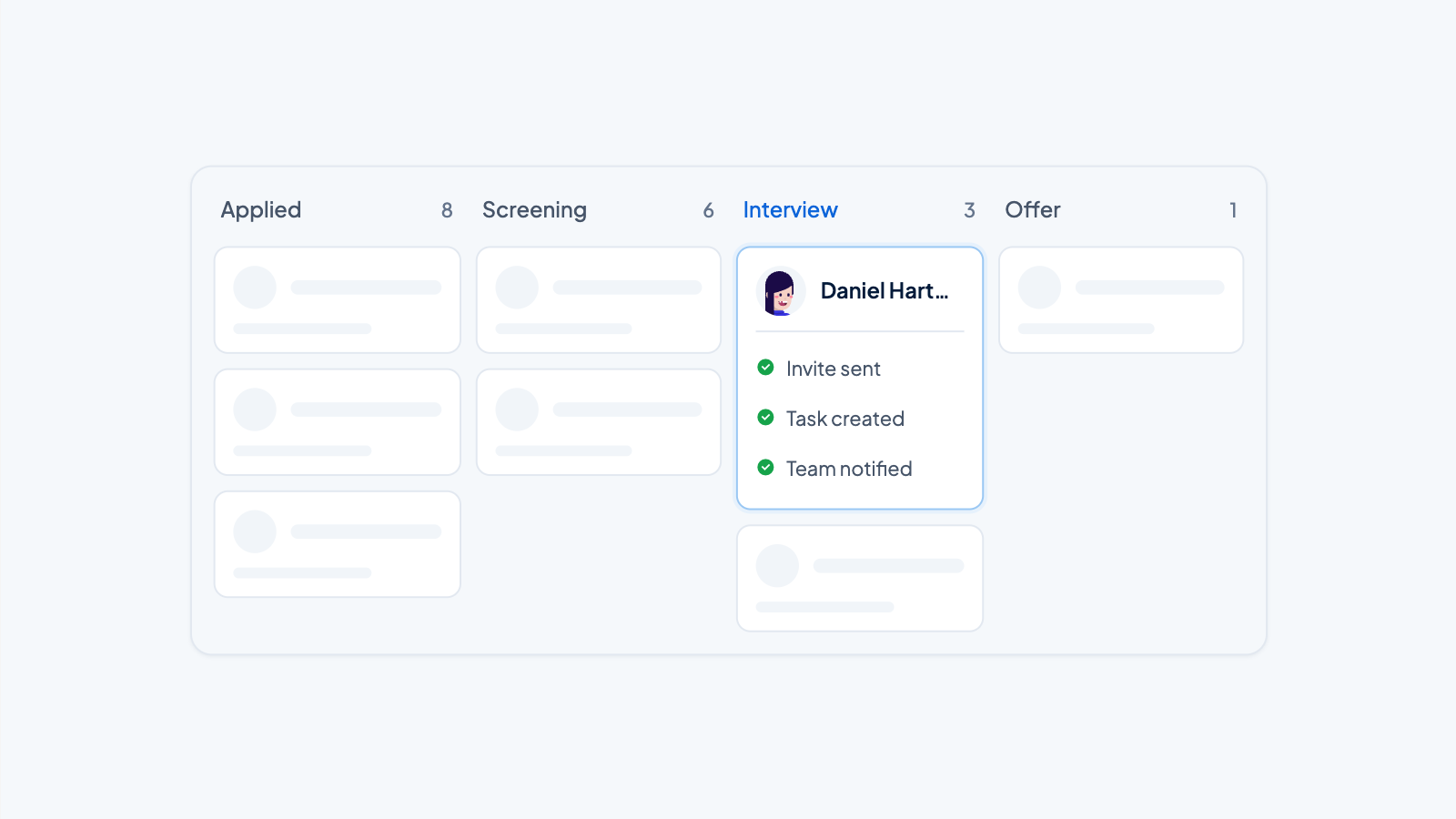
Keeping track of candidates during the selection process can feel like juggling too many balls at once. Emails get lost, candidates fall through the cracks, and before you know it, you lose sight of who is where in the process. For HR professionals and hiring managers, effective candidate tracking is essential to attract top talent and leave a professional impression.
A structured approach to candidate management not only leads to better recruitment outcomes, but also saves time and prevents frustration on both sides. In this article, you'll discover why manual tracking causes problems, which steps are crucial for successful candidate tracking, and how modern tools can transform your hiring workflow.
Why manual candidate follow-up leads to missed talent
Manual candidate tracking creates a web of problems that can undermine your recruitment process. Candidates disappear in overflowing inboxes, causing promising talent to literally slip through the cracks. This chaotic approach often results in inconsistent communication, where some candidates wait days for updates while others receive too many messages.
The lack of a centralized overview makes it impossible to manage the pipeline effectively. Recruiters don't know exactly how many candidates are in which stage, leading to bottlenecks and missed deadlines. The candidate experience suffers as a result, which directly impacts your employer branding and the likelihood that top candidates accept your offer.
The essential steps of effective candidate tracking
A successful hiring process requires tracking specific milestones that together form the complete candidate journey. These steps provide structure and predictability in your selection process:
- Receipt of applications and initial screening – registration of incoming applications and initial suitability assessment
- Phone intake or pre-screening call for further qualification
- First-round interviews with hiring managers or the HR team
- Technical assessments or practical tests, depending on the role
- Second-round interviews with senior management or team members
- Reference checks and background verification
- Final decision-making and offer formulation
- Contract negotiation and onboarding preparation
Each step requires clear criteria for advancing to the next stage, so decisions remain consistent and objective.
Which tools and systems make candidate tracking successful
The choice of tracking tools largely determines the success of your recruitment automation efforts. Spreadsheets offer a starting point for small organizations, but quickly become unwieldy at larger volumes. These static solutions lack essential functionality such as automated workflows and real-time reporting.
Modern applicant tracking systems, on the other hand, offer integrated solutions that support the entire process. They combine candidate databases with communication tools, interview scheduling, and reporting capabilities. The best systems integrate seamlessly with existing HR tools and offer customizable workflows that align with your specific selection process.
How automation speeds up and improves your selection process
Automation transforms time-consuming manual tasks into efficient, standardized processes. Automated status updates keep candidates informed without manual intervention, while intelligent email notifications alert recruiters at important milestones.
AI-driven workflows can pre-screen candidates based on predefined criteria, so only qualified candidates move on to human review. Interview scheduling is streamlined through automatic calendar integration, and follow-up reminders ensure no candidate is forgotten.
Best practices for transparent communication during selection
Transparent communication forms the backbone of a positive candidate experience. Candidates appreciate clear expectations about timelines and process steps from the start. Regular updates, even when there are no new developments, demonstrate professionalism and respect.
Effective communication strategies include:
- Automatic acknowledgment of receipt within 24 hours
- Weekly status updates during active evaluation
- Clear explanation of next steps after each interview
- Constructive feedback when rejecting candidates
- A personal touch at crucial moments in the process
Achieving measurable results with data-driven recruitment
Data-driven recruitment starts with measuring the right metrics. Time-to-hire provides insight into process efficiency, while conversion rates per stage reveal bottlenecks. Candidate satisfaction scores uncover areas for improvement in the candidate journey.
These metrics support strategic decision-making by making patterns visible. For example, if many candidates drop out after the first interview, this may indicate unclear job descriptions or unrealistic expectations. By systematically analyzing this data, you can continuously optimize your recruitment process.
How Applyfin helps with candidate tracking
Applyfin centralizes your entire recruitment workflow in one platform, making candidate tracking simple and organized. Our system offers:
- Centralized pipeline management with a real-time overview of all candidates
- AI-driven workflows that automate repetitive tasks
- Integrated communication tools for consistent candidate communication
- Comprehensive reporting and analytics for data-driven decision-making
With Applyfin, recruiters can manage up to three times more candidates compared to traditional methods, while hiring costs drop by 60%. Discover all features that can transform your selection process, or contact us for a personal demo. Start optimizing your recruitment process today via our platform.