How to Automate Candidate Follow‑up
Automated candidate follow‑up saves recruiters a tremendous amount of time and improves the candidate experience through fast, consistent communication. Instead of manually tracking every candidate, automated systems provide timely status updates, interview scheduling, and follow‑ups. This article explains which recruitment tasks you can automate, how to set up effective workflows, and which tools you need. Learn how to manage more candidates without increasing your workload while keeping a personal touch.

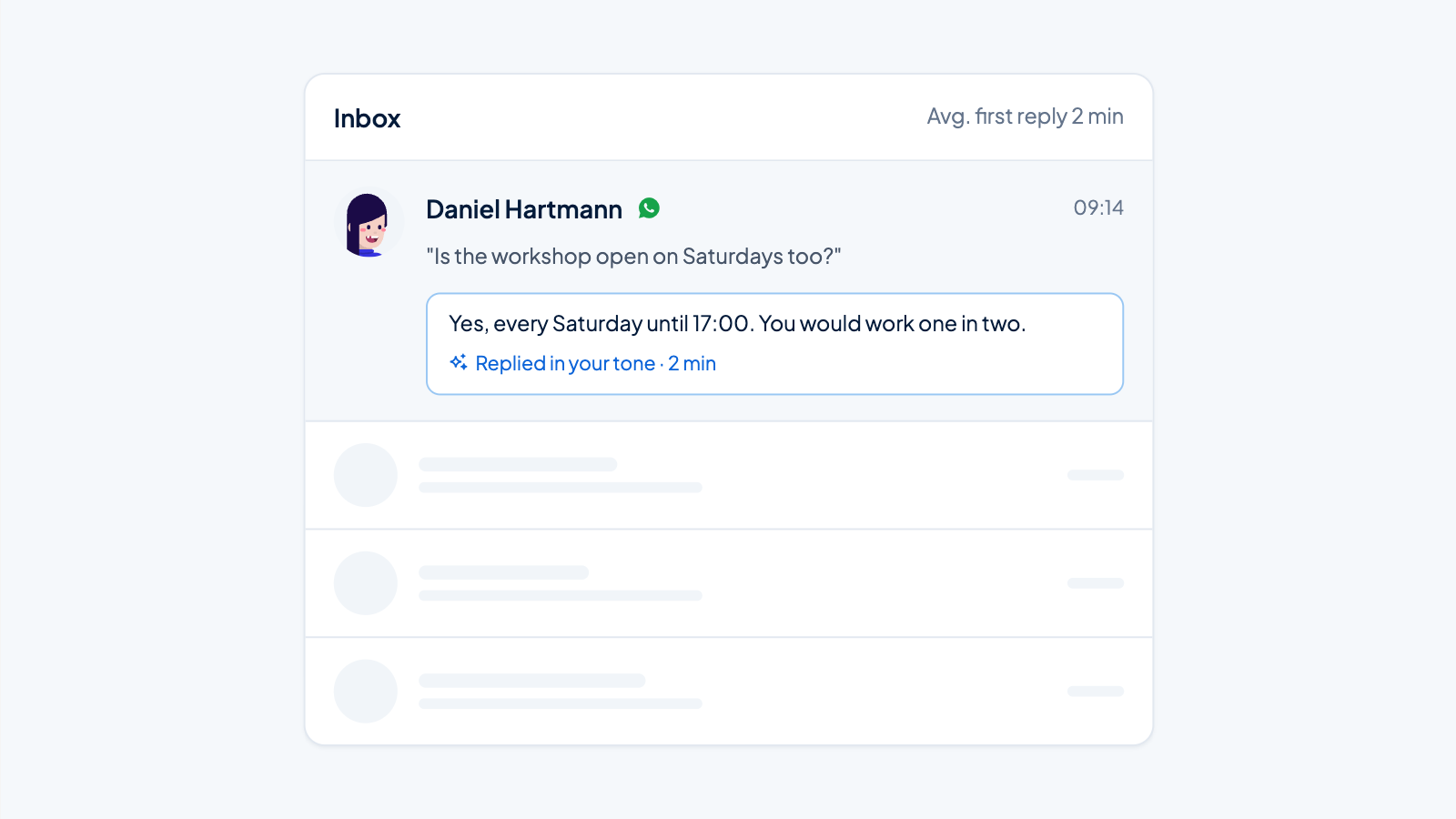
Automated candidate follow-up means using technology and workflows to automatically track candidates, communicate with them, and manage their progress through your recruitment process. This saves recruiters a huge amount of time, improves the candidate experience through fast and consistent communication, and prevents promising candidates from falling through the cracks. This automation makes it possible to devote more attention to personal conversations and strategic recruitment tasks.
What is automated candidate follow-up and why is it important?
Automated candidate follow-up is the use of technology to automatically track and manage candidates throughout the entire recruitment process. Instead of manually tracking each candidate in spreadsheets or through separate emails, automated systems ensure that actions are taken based on a candidate's status.
The main reason this matters is time savings. Recruiters often spend hours per week on administrative tasks like sending status updates, scheduling interviews, and updating candidate data. By automating these tasks, they can focus on what really matters: having valuable conversations and building relationships with candidates.
Additionally, automation significantly improves the candidate experience. Candidates receive immediate confirmation when their application is received and are informed about their status in a timely manner. This prevents frustration and creates a professional impression of your organization, even when you're processing hundreds of applications.
The shift from manual processes to automated systems also means fewer chances for errors. Candidates are no longer forgotten, deadlines are not missed, and all communication is neatly documented. This gives recruiters more control and oversight over their entire recruitment pipeline.
Which candidate follow-up tasks can you automate?
There are numerous recruitment tasks that lend themselves perfectly to automation. Most offer a high return because they recur regularly and take a lot of time when done manually.
The main tasks you can automate are:
- Automatic acknowledgment emails when an application comes in, so candidates immediately know their submission has been received
- Status updates at each stage of the pipeline, from initial screening to final interview
- Interview scheduling and calendar management, including sending invitations and reminders
- Reminders for incomplete applications or pending tasks for candidates
- Rejection emails with personalized templates that are respectful and professional
- Follow-up sequences for passive candidates you want to keep in your talent pool
- Data entry and profile updates in your applicant tracking system
- Reports on pipeline statistics and recruitment performance
Not every task deserves the same level of automation. Personal conversations, assessing unique qualifications, and strategic decisions about candidates remain human work. Automation works best for repetitive, predictable tasks that require little human interpretation.
The art is to recognize which tasks in your workflow take the most time without adding much value. Those are the best candidates for automation, creating more room for meaningful contact with candidates.
How do you set up an automated follow-up workflow?
Setting up an effective automated workflow requires a thoughtful approach. Don't start by automating everything at once; instead, build a system step by step that aligns with your recruitment process.
Follow these steps for a successful implementation:
- Map out your current recruitment process and identify which steps take the most time or where candidates often get stuck
- Determine the trigger points where automation should start, such as receiving an application, a status change, or a certain amount of time that has passed
- Create email templates and communication sequences for different scenarios, such as acknowledgment emails, invitations, and rejections
- Set up rules and conditions within your ATS or automation platform, so the system knows when to perform which action
- Test your workflows with sample candidates before going live to check that everything works as intended
- Train your team members on the new automated system, so everyone knows how it works and when manual intervention is needed
- Monitor performance and adjust based on feedback from both recruiters and candidates
It's wise to start small with one or two workflows, such as automatic acknowledgment emails and status updates. Once these work well, you can expand to more complex automations like interview scheduling and follow-up sequences.
Don't forget to build in personalization, even in automated messages. Use candidate names, the position they're applying for, and relevant details to keep communication personal.
What are the benefits of automated candidate follow-up for recruiters?
The practical benefits of automation are immediately noticeable in recruiters' daily work. The main effect is that you can manage more candidates without your workload increasing proportionally. Where you might have previously been able to process twenty applications a day, with automation you can easily handle fifty or more.
Consistency in communication is another major benefit. No candidate is forgotten or overlooked anymore. Everyone receives the right information at the right time, creating a professional and reliable candidate experience. This improves your employer brand and increases the likelihood that good candidates will accept your offer.
By integrating AI into recruitment processes, you also gain better insight into your data. Automated systems track everything and generate reports that show where candidates drop off, how long each stage takes, and which sources yield the best candidates. This information helps you continuously improve your recruitment process.
The financial impact is also significant. AI recruitment processes make recruitment cheaper because you spend less time on administration and can fill vacancies faster. The time you save can be invested in strategic activities like building a talent pool, improving your employer branding, and maintaining relationships with promising candidates.
Ultimately, automated follow-up means recruiters enjoy their work more. Less repetitive administrative work and more room for human contact and strategic thinking makes the profession more attractive and effective.
How do you maintain a personal touch in automated communication?
The biggest concern with automation is that communication feels impersonal or robotic. Fortunately, there are several ways to maintain humanity, even when messages are sent automatically.
Use personalization tokens to include candidate names, the position they're applying for, and specific qualifications they mentioned in your messages. This shows that you pay attention to their individual situation, even though the message is automated.
Write your templates in a conversational, warm tone instead of formal corporate jargon. Imagine telling a friend about the next step in the process. That natural tone makes messages much more pleasant to read and creates a positive impression.
Know when to automate and when a personal message is better. Standard acknowledgment emails and status updates can be automated, but when you want to invite a promising candidate for an interview, add a personal note that shows why you're interested in their profile.
Combine automated initial responses with personal follow-up for candidates who advance further in the process. The first confirmation can be automatic, but as candidates get closer to an offer, human contact increases.
Make sure candidates can easily reach a real recruiter when they have questions. Include contact details in your automated messages and respond quickly when candidates reach out. Automation should support the work, not replace human connection.
What tools and features do you need for effective candidate automation?
For successful candidate automation, you need a platform that combines several essential features. The core consists of a solid applicant tracking system with pipeline management and status tracking, so you know exactly where each candidate is in the process.
Email automation with a flexible template system is indispensable. You need to be able to easily create messages for different scenarios and send them automatically based on triggers. A good workflow builder allows you to set up complex rules and conditions without technical knowledge.
Integration capabilities with job boards and communication tools ensure that all candidate data is automatically collected in one central database. This prevents manual data entry and reduces the chance of errors. A searchable candidate database helps you quickly find previous applicants for new vacancies.
Reporting and analytics dashboards provide insight into the performance of your recruitment process. You see where candidates drop off, which sources work best, and how quickly you fill vacancies. This data helps you further optimize AI recruitment tasks.
Modern platforms also offer AI-driven capabilities like automatic candidate qualification and smart scheduling. These features make AI recruitment activities even more efficient by taking over repetitive decisions and suggesting the best times for interviews.
A centralized system that combines all these features prevents you from having to work with multiple separate tools. This saves time and creates a more streamlined process. Check out our recruitment automation features to see how an integrated platform works.
When evaluating an automation solution, pay attention to user-friendliness, scalability, and the ability to customize workflows to your specific process. The best systems grow with your organization and make AI recruitment faster without requiring complex technical knowledge.
Want to discover how automated recruitment solutions can improve your recruitment process? We're happy to help you identify the right automations for your situation. Contact us to discuss which options best align with your recruitment goals.