How do you automate initial contact with candidates?
Automating initial candidate contact saves recruiters a huge amount of time and ensures faster responses. Modern recruitment platforms combine automatic confirmation emails, AI-driven resume screening, and smart workflows to work more efficiently without losing the personal touch. Discover which parts you can automate, how to set up effective workflows, and which tools you need to manage up to three times more candidates while improving the candidate experience.

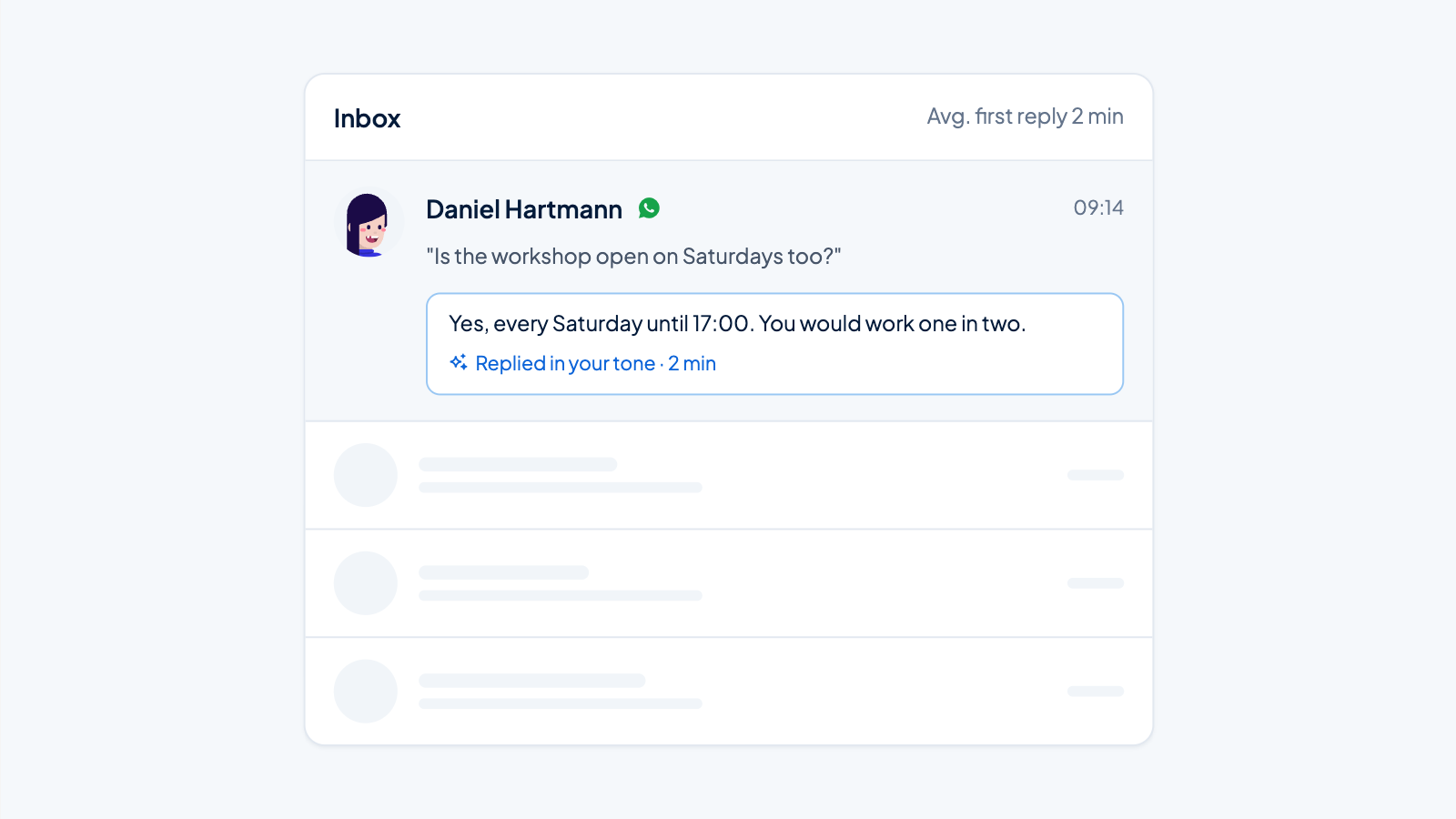
Automating initial contact with candidates means using systems and workflows to automatically respond, screen, and communicate right after an application is submitted. This saves recruiters a huge amount of time and ensures candidates get a faster reply. Modern recruitment platforms combine automatic confirmation emails, AI-driven screening, and smart communication workflows to make that first contact more efficient without losing the personal touch.
What does automating first contact with candidates mean?
Automated first contact in recruitment means using technology to handle the initial interaction with applicants without manual intervention. It starts the moment someone applies and covers everything from acknowledgments to initial screening and communication about next steps.
Automation can take different forms. Full automation means the system independently receives candidates, screens them against preset criteria, and sends the right communication. Semi-automated workflows give recruiters the option to step in manually at critical moments, for example when reviewing borderline cases or scheduling personal interviews.
Modern ATS systems and recruitment platforms support these processes by integrating AI into recruitment processes. Artificial intelligence can analyze resumes, assess answers to screening questions, and automatically move candidates to the right stage in the pipeline. This makes it possible to handle large volumes of applications while keeping the quality of the initial interaction high.
Why is automating first contact important for recruiters?
Automating first contact lets recruiters manage significantly more candidates without sacrificing quality. The main reason is time savings: where you used to spend hours manually replying to applications, the system now takes over.
The benefits compound. Communication becomes more consistent because every message goes out to the same standard. Candidates get a reply within minutes instead of having to wait days, which dramatically improves their experience. That faster response time stops you from losing talented candidates to competitors who do respond quickly.
Scalability is another key aspect. With AI recruitment processes you can smoothly process larger application volumes during peak periods. Recruiters can then focus on strategic tasks like conducting in-depth interviews, building talent pools, and strengthening the employer brand, rather than getting bogged down in admin work.
Which parts of first contact can you automate?
Initial contact with candidates consists of several touchpoints that lend themselves perfectly to automation. The art is to decide which elements can be fully automated and where human involvement remains valuable.
You can effectively automate these parts:
- Automatic acknowledgments that let candidates know their application has been received immediately
- Screening questions that are asked automatically and whose answers AI analyzes
- Interview scheduling via smart calendar integrations where candidates can pick a time slot themselves
- Status updates that inform candidates where they are in the process
- Rejections for candidates who don’t meet the basic requirements
- Follow-up communication like reminders for missing documents or additional information
Full automation works well for standard communication and straightforward screening. For more complex assessments—such as evaluating unique backgrounds or making final selection decisions—human input remains valuable. Combining both gives you efficiency without losing the human side of recruitment.
How do you set up an automated first-contact workflow?
Building an effective automated workflow requires a structured approach. By working step by step, you create a system that is both efficient and candidate-friendly.
Follow these steps to set up your workflow:
- Define your goals – What do you want to achieve with automation? Faster response times, better screening, or fewer administrative tasks? Clear goals help you make the right choices.
- Map the candidate journey – Document every touchpoint from application to interview invitation. Identify which steps can be automated.
- Create communication templates – Write messages for each stage that sound professional yet personal. Use variables for personalization, like name and job title.
- Set up triggers and rules – Determine which actions activate automatic replies. For example: on receipt of application → send confirmation; if score above 70% → invite for screening.
- Test and optimize – Walk through the workflow yourself as a test candidate, gather feedback from real candidates, and adjust where necessary. AI recruitment tasks become more effective the more you refine them.
Combine automation with personalization by using smart variables and tailoring messages based on candidate data. This ensures that automated communication doesn’t feel generic but remains relevant for each recipient.
What are the best practices for automated candidate contact?
Successful automation is all about striking the right balance between efficiency and personal attention. Too much automation feels cold and robotic; too little means you’re not reaping the benefits.
Pay attention to the timing of your messages. An acknowledgment should be sent within a few minutes, but a status update can wait a couple of days. Too many automated messages irritate candidates, while long silences create uncertainty.
The tone of voice in your templates is crucial. Write as if you’re talking directly to the candidate, not from a system. Use a friendly, professional tone that fits your organization’s culture. Personalize wherever possible by mentioning specific details from the application.
Be transparent about the process. Let candidates know what to expect, how long each phase takes, and when they’ll hear from you next. This clarity reduces frustration and improves the candidate experience, even when the process is fully automated.
Avoid over-automating by keeping critical moments human. The final offer, a rejection after a personal conversation, or answers to specific questions deserve personal attention. AI recruitment activities should support recruiters, not replace them.
Which tools and features do you need to automate first contact?
Effective first-contact automation requires the right technology. A modern ATS with built-in automation features forms the foundation, supplemented by specific tools for different parts of the process.
You need these core capabilities: email automation for sending triggered messages, AI-driven screening tools that analyze resumes and answers, and integrations with your existing HR systems for seamless data exchange. Chatbots can answer simple candidate questions outside office hours, while analytics help you measure and improve the effectiveness of your workflows.
Modern recruitment platforms bring all these capabilities together in one system. With us, for example, you’ll find integrated features that automate the entire process from job posting management to candidate communication. This makes AI recruitment faster and eliminates the need to switch between different tools.
The combination of smart job listings, pipeline management, and AI workflows ensures that every candidate touchpoint is optimized. By centralizing all candidate data and automatically enriching it with screening results, you get a complete picture without manual work. This means AI recruitment becomes cheaper because you can manage more vacancies with the same team.
Want to see how automation can transform your recruitment processes? Discover our platform and experience managing up to three times more candidates. Or get in contact with us to discuss how we can help you automate your first contact with candidates.