What steps are in a recruitment pipeline?
Discover the 5 core phases of a recruitment pipeline and optimize your hiring process for better results.

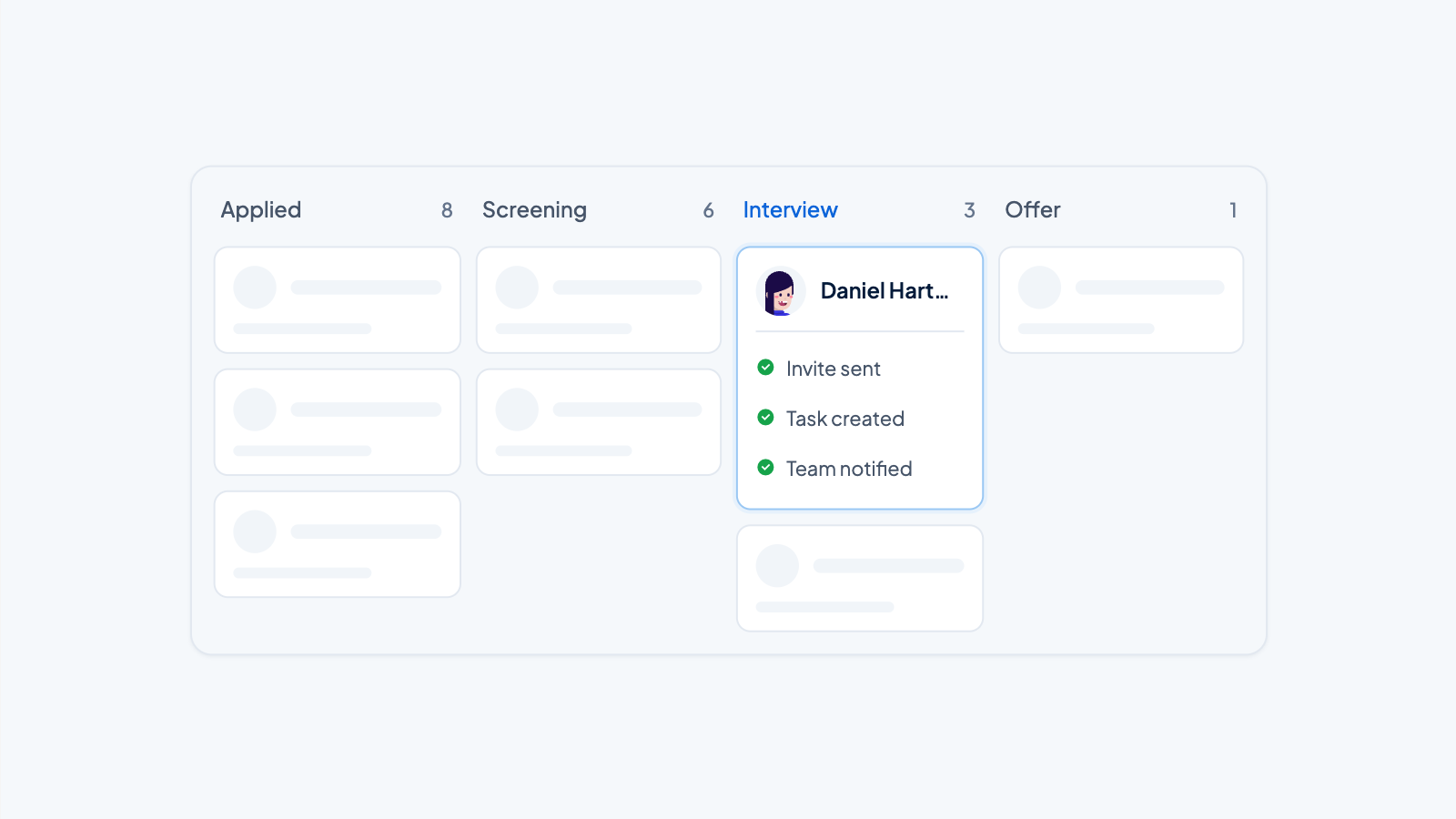
A recruitment pipeline consists of several structured stages that candidates go through from job opening to hire. These steps include preparation, sourcing, screening, interviews, selection, and onboarding. A well-organized pipeline ensures efficient recruitment, a better candidate experience, and higher quality of hires.
What is a recruitment pipeline and why is it so important?
A recruitment pipeline is a systematic process that guides candidates through various stages, from the moment they apply to their first day on the job. This differs from traditional hiring methods because it creates a structured, predictable workflow instead of ad-hoc decisions for each vacancy.
The pipeline provides transparency for both recruiters and candidates. Recruiters can track each candidate's progress and identify bottlenecks. Candidates know where they stand in the process and what to expect.
Modern organizations need a structured pipeline because:
- it ensures consistent evaluation of all candidates
- it prevents good candidates from falling through the cracks
- it improves the candidate experience through clear communication
- it enables data analysis for process improvement
What are the main stages in every recruitment pipeline?
Every recruitment pipeline contains five core stages: preparation and planning, sourcing and attraction, screening and selection, interviews and assessment, and onboarding. These stages create a complete candidate journey from first contact to working employee.
The preparation and planning stage involves defining job requirements, drafting job descriptions, and determining selection criteria. This stage lays the foundation for all subsequent steps.
Sourcing and attraction focuses on finding and attracting suitable candidates through various channels, such as job boards, social media, and networks. The goal is to create a diverse pool of potential candidates.
Screening and selection filters candidates based on predetermined criteria. This can include resume reviews, phone screenings, or online assessments to identify the most suitable candidates.
Interviews and assessment form the in-depth evaluation stage, where candidates are assessed on technical skills, cultural fit, and motivation through conversations and practical tests.
How long does each step in the recruitment process take on average?
The average turnaround time for a complete recruitment pipeline is between 4 and 8 weeks, depending on the role and the organization. Preparation and planning usually takes 1 to 2 weeks, sourcing and attraction 1 to 3 weeks, screening 3 to 5 days, interviews 1 to 2 weeks, and onboarding 1 to 4 weeks.
Several factors influence these time estimates:
- Job level – senior positions take longer due to more extensive evaluation
- Market conditions – a tight labor market extends sourcing time
- Organization size – large companies often have longer approval processes
- Urgency – critical vacancies get priority and move faster
To optimize process speed without sacrificing quality, you can plan parallel activities, use standard templates, and set clear deadlines with all stakeholders.
What are the biggest bottlenecks in a traditional recruitment pipeline?
The biggest bottlenecks in traditional recruitment pipelines are slow communication, manual administration, lack of transparency, and inconsistent evaluation. These issues lead to longer turnaround times, a worse candidate experience, and higher cost per hire.
Slow communication occurs when feedback between recruiters, hiring managers, and candidates takes days or weeks. This results in candidates dropping out and getting a negative impression of the organization.
Manual administration, such as copying candidate data between systems, scheduling interviews, and tracking status updates, takes a lot of time that could be better spent on more valuable activities.
Lack of transparency means recruiters don't know where candidates are in the process, leading to duplicate work and missed opportunities. Candidates also don't know what to expect.
Inconsistent evaluation occurs when different recruiters use different criteria or when there are no structured assessment methods. This leads to subjective decisions and possibly discrimination.
How can automation improve your recruitment pipeline?
Automation improves recruitment pipelines by taking over repetitive tasks, ensuring consistent communication, and generating valuable data insights. AI and automation help with candidate screening, communication, scheduling, and reporting, allowing recruiters to focus on strategic activities.
In candidate screening, AI can analyze resumes for relevant experience and skills, automatically assign scores, and identify the best candidates. This saves hours of manual work and ensures more objective selection.
Automated communication sends timely updates to candidates about their status, automatically schedules interviews in calendars, and sends personalized follow-up messages. This significantly improves the candidate experience.
Planning and scheduling tools sync calendars of all parties, automatically find suitable time slots, and send reminders. This eliminates back-and-forth emails for scheduling interviews.
Modern recruitment software centralizes all candidate data, automatically generates reports on pipeline performance, and identifies bottlenecks. This gives recruiters the insights they need for continuous improvement.
Which metrics should you track to optimize your recruitment pipeline?
Essential metrics for pipeline optimization are time-to-hire, cost-per-hire, candidate experience scores, conversion rates per stage, and quality of hire. These KPIs provide insight into process efficiency, costs, candidate satisfaction, and the quality of hired staff.
Time-to-hire measures the time from job posting to contract signing. A turnaround time that is too long may indicate inefficient processes or overly high requirements. Benchmark this against industry averages for your sector.
Cost-per-hire calculates all recruitment costs divided by the number of hires. This includes advertising costs, recruiter time, interview costs, and onboarding. Lower cost per hire means more efficient processes.
Candidate experience scores are collected through surveys after the process ends. Satisfied candidates share positive experiences and may apply again in the future or refer others.
Conversion rates per stage show where candidates drop off. A low conversion from screening to interview may indicate overly strict criteria or unclear job descriptions.
Quality of hire is evaluated through performance reviews, retention rates, and manager satisfaction with new employees after 6 to 12 months. This shows whether your recruitment process attracts the right people.
How Applyfin helps with recruitment pipeline optimization
An optimized recruitment pipeline forms the foundation for successful talent acquisition. Through systematic processes, smart automation, and data-driven decisions, you can not only hire faster and cheaper but also attract and retain better candidates.
Applyfin offers the complete solution for optimizing your recruitment pipeline by:
- Automated candidate screening with AI-powered resume analysis
- Real-time dashboards with all relevant metrics and KPIs
- Integrated communication tools for a better candidate experience
- Smart planning and scheduling features
- Comprehensive reporting for continuous process improvement
Discover how Applyfin can transform your hiring process. Schedule a free demo and experience for yourself how our advanced recruitment solution helps you hire faster, more efficiently, and more successfully.