Which platforms are best for job distribution?
Discover the best platforms for job distribution: from Indeed to LinkedIn. Automate your recruitment process and expand your reach.

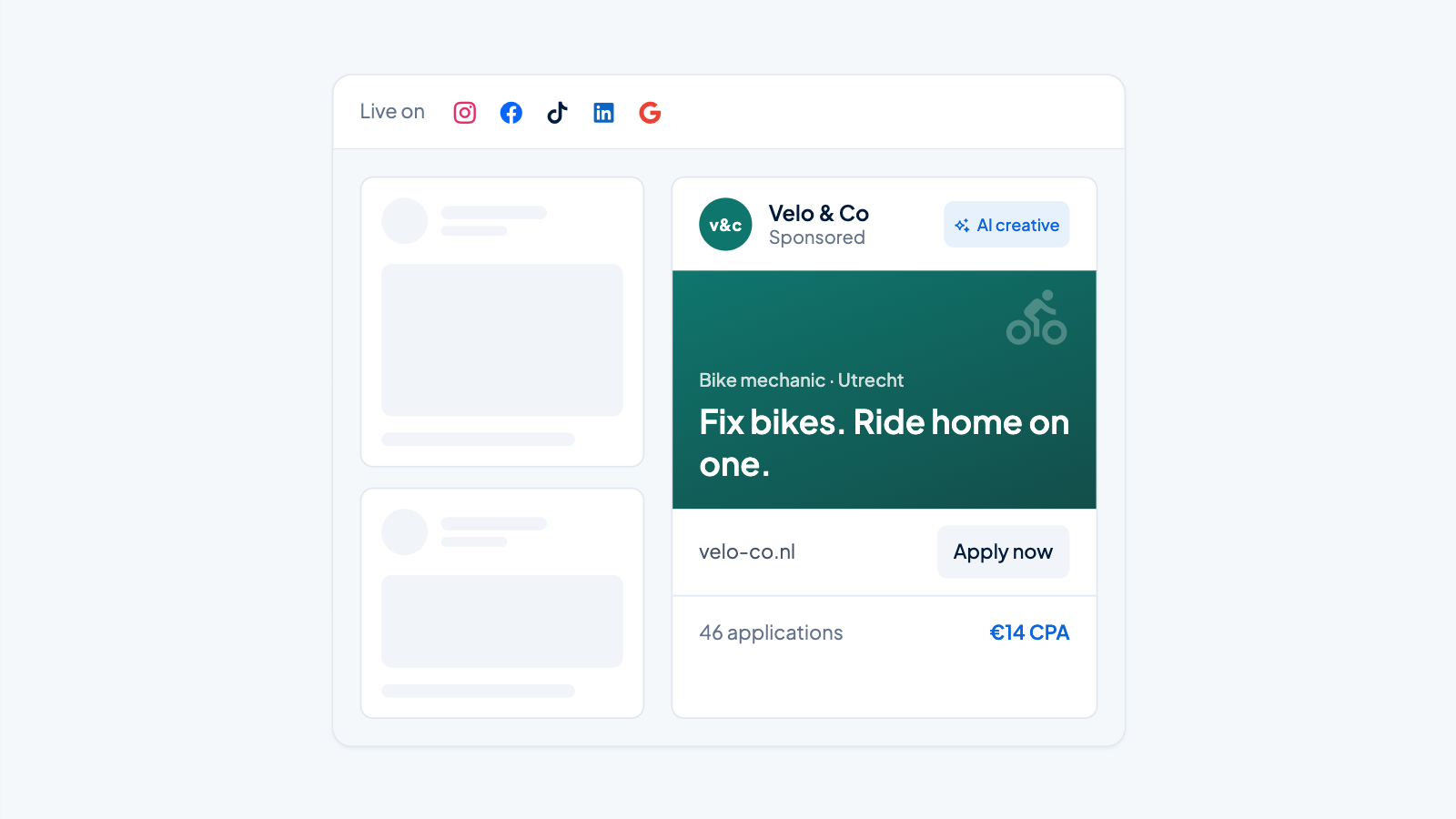
The best platforms for job distribution combine general job boards like Indeed and LinkedIn with specialized niche platforms and social media channels. Modern recruitment software makes it possible to automatically distribute job postings to multiple platforms, saving time and expanding reach. The choice depends on your target audience, budget, and the specific roles you want to fill.
What are the most effective platforms for job distribution?
The most effective platforms fall into four main categories: general job boards, specialized platforms, social media channels, and recruitment automation tools. Each type of platform has unique advantages and reaches different target groups within the Dutch labor market.
General job boards like Indeed, Monsterboard, and Nationale Vacaturebank offer broad reach and are suitable for almost all job levels. These platforms attract large numbers of candidates and work well for standard roles across various sectors.
Specialized platforms focus on specific industries or job levels. Examples include:
- Technical roles: Jobs.nl, Tweakers Carrière
- IT professionals: Stack Overflow Jobs, GitHub Jobs
- Creative professions: Creativepool, The Dots
- Management positions: Executive Networks, Leidinggevende.nl
Social media channels like LinkedIn, Facebook, and Instagram are becoming increasingly important for recruitment. LinkedIn dominates for professional roles, while Facebook and Instagram are effective for reaching younger audiences and more informal positions.
Recruitment automation tools centralize the distribution process by automatically sending job postings to multiple platforms. These solutions save time and ensure a consistent presentation of your job postings.
How do you choose the right job board for your job postings?
Selecting the right job board requires analyzing your target audience, industry, job level, and available budget. General platforms work well for broad roles, while niche boards are more effective for specialized roles with specific skill requirements.
Key selection criteria include:
- Target audience matching – Where does your ideal candidate search for jobs?
- Industry focus – General vs. industry-specific
- Job level – Junior, mid-level, or senior positions
- Geographic coverage – Local, national, or international
- Budget and cost structure – Pay-per-posting or subscription
General platforms like Indeed and Monsterboard offer advantages for roles with broad appeal and high application volumes. They have low cost per application, but can also generate many unqualified responses.
Niche-specific boards often deliver higher-quality candidates for specialized roles. Although the cost per posting may be higher, this often results in better matching and shorter hiring processes. For technical roles, for example, specialized platforms provide candidates who are already pre-qualified by their interest in the platform.
Which social media platforms work best for recruitment?
LinkedIn remains the dominant platform for professional recruitment in the Netherlands, followed by Facebook for broader audiences and Instagram for creative roles and younger candidates. The choice between organic content and paid promotion depends on your budget and desired reach.
LinkedIn excels for business roles, management positions, and B2B-focused roles. The platform offers advanced targeting options and a professional context that candidates expect. Organic posts work well for employer branding, while paid campaigns are effective for active recruitment.
Facebook reaches a broader demographic and works excellently for roles in retail, hospitality, healthcare, and other consumer-oriented sectors. The targeting capabilities are highly advanced, allowing you to reach specific age groups, locations, and interests.
Instagram is growing rapidly as a recruitment platform, especially for:
- Creative and marketing roles
- Retail and hospitality positions
- Roles targeting millennials and Gen Z
- Companies with a strong visual employer brand
For the Dutch market, organic posts work well for employer branding and showcasing company culture. Paid promotion is more effective for direct job distribution and reaching passive candidates who aren't actively searching but are open to new opportunities.
What are the benefits of automated job distribution?
Automated job distribution saves significant time by sending job postings to multiple platforms simultaneously from one central system. It ensures consistent presentation, better tracking capabilities, and lower cost per application compared to manual posting on individual platforms.
The main time-saving benefits are eliminating repetitive tasks, such as manually entering job descriptions on different platforms. What used to take hours can now be handled in minutes. This allows recruiters to spend more time on candidate assessment and relationship management.
Consistency in job presentation is guaranteed because all platforms receive the same information, formatting, and branding. This prevents errors and ensures a professional appearance across all channels.
Tracking and analysis capabilities improve drastically with automated systems. You can see exactly which platforms deliver the most qualified candidates, what the cost per application is per channel, and where your budget is being spent most effectively.
Cost-effectiveness arises from better negotiation with platforms (volume discounts), reduced administrative burdens, and optimized budget allocation based on performance data. Modern recruitment software can automatically shift budget to the best-performing channels.
How do you measure the success of different distribution channels?
You measure the success of distribution channels by analyzing the number of applications, candidate quality, cost-per-hire, and time-to-fill per platform. Effective tracking requires consistent data collection and regular evaluation to optimize recruitment ROI and allocate budget more efficiently.
Essential KPIs for platform evaluation:
- Number of applications per platform – Provides insight into reach and appeal
- Candidate quality score – Percentage that meets the job requirements
- Cost-per-hire per channel – Total costs divided by the number of hired candidates
- Time-to-fill – Average time from posting to acceptance per platform
- Conversion rates – From application to interview to hire
For effective tracking, it's important to use UTM parameters on all job links, so you can see exactly which platform delivers which candidates. Many modern applicant tracking systems offer automatic tracking and reporting functionalities.
Analyze monthly which platforms deliver the best ROI by comparing costs against the quality of placed candidates. A platform that seems more expensive per application may ultimately be cheaper if it delivers higher-quality candidates who are hired faster.
How Applyfin helps with job distribution
Applyfin offers a complete solution for automated job distribution that saves you time and achieves better results. Our platform helps you in the following ways:
- Automatic distribution to 20+ job boards and social media platforms simultaneously
- Advanced tracking of all applications with clear ROI reports per channel
- Smart budget optimization that automatically allocates more budget to the best-performing platforms
- Consistent branding across all channels for a professional appearance
- Real-time analytics to quickly adjust and optimize costs
By systematically measuring and optimizing, you can use your recruitment budget more effectively and achieve better results. Want to see how Applyfin can improve your job distribution? Schedule a free demo and discover how you can save up to 70% of time on your hiring process.