Multi-channel vs. single-channel recruitment: Which is better?
Discover which recruitment strategy works best: single-channel focus versus multi-channel reach for optimal recruitment results.

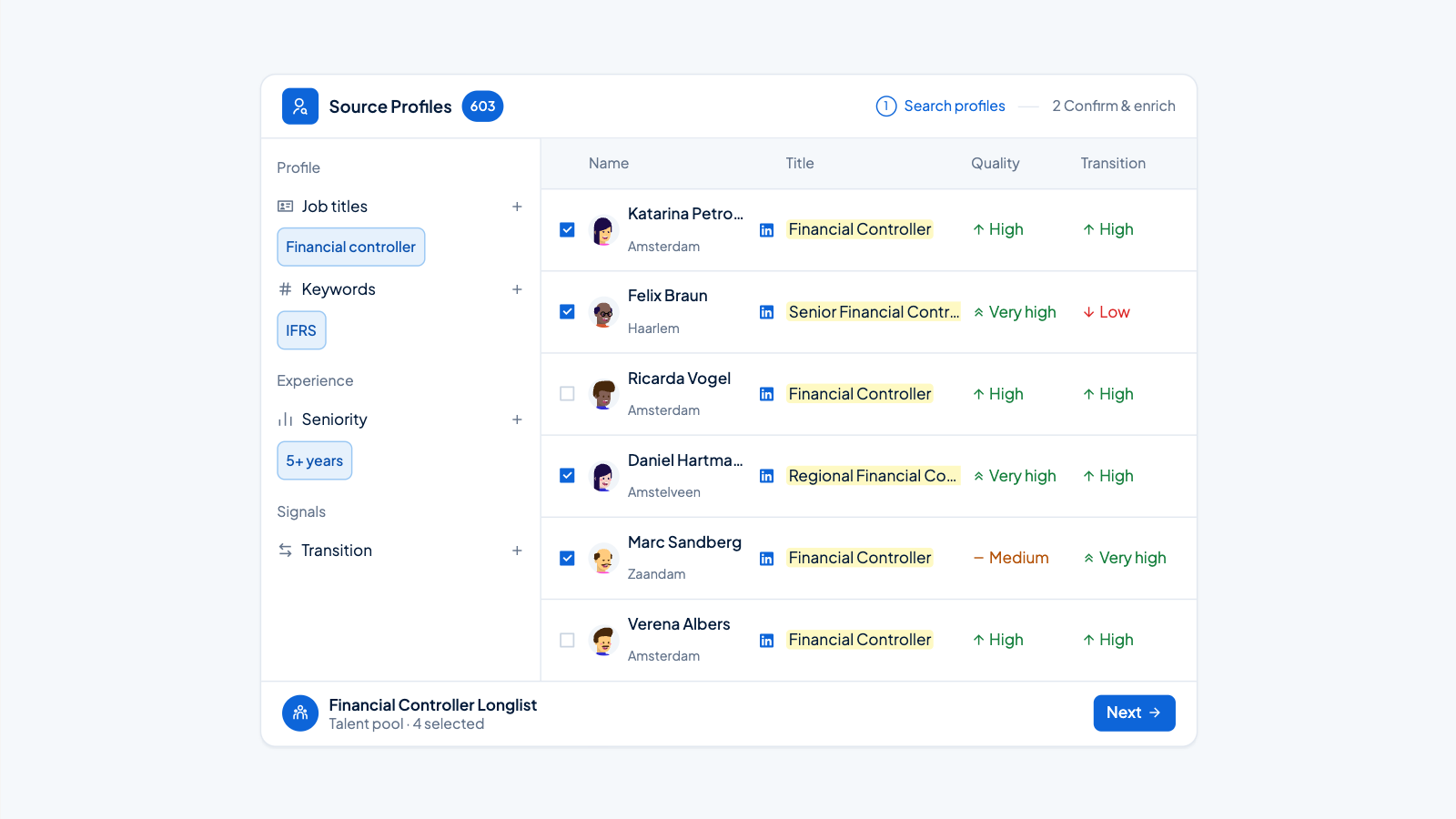
Choosing the right recruitment strategy can make the difference between finding top talent and missing out on the best candidates. In the modern recruitment world, HR professionals face an important decision: focus on one recruitment channel or spread across multiple channels? This choice affects not only your recruitment effectiveness, but also your budget and the quality of the candidates you attract.
Both approaches have clear pros and cons. Single-channel recruitment offers focus and cost control, while multi-channel recruitment provides broader reach and risk diversification. The right choice depends on your organization, budget, and recruitment goals. We’ll examine both strategies thoroughly and help you determine which approach best fits your situation.
Why the choice between recruitment channels is crucial
Channel strategy forms the backbone of every successful hiring process. It determines where you find talent, how quickly you can fill vacancies, and how much budget you need. A wrong choice can lead to missed opportunities, higher cost-per-hire, and a longer time-to-hire.
Modern recruitment revolves around efficiency and reach. Organizations want to find the best candidates at the lowest cost, preferably within a short timeframe. This creates tension between focus and diversification. Focusing on one channel means deeper expertise but a more limited reach. Spreading across multiple channels offers more possibilities, but requires more resources.
The impact on recruitment ROI is significant. Wrong channel choices can lead to 40% higher hiring costs and 30% longer vacancy turnaround times. That’s why this decision deserves careful consideration before you define your recruitment strategy.
Single-channel recruitment: focus with limitations
Single-channel recruitment means you direct your entire hiring effort toward one primary channel. This could be LinkedIn, job boards, recruitment agencies, or internal referrals. This approach offers clear advantages for organizations with limited resources.
The biggest advantages of single-channel recruitment are:
- Expertise development in one specific channel
- Lower operational costs through focus
- Simpler tracking and optimization
- Better relationships with one platform or supplier
- Less complexity in the hiring process
Yet this approach also carries risks. You are completely dependent on one channel, which causes problems if that channel underperforms or disappears. Moreover, you only reach a limited portion of the available talent pool. Different candidates use different platforms, so you potentially miss suitable people.
Single-channel recruitment works best for organizations with specific recruitment needs, a limited budget, or clearly defined target groups that concentrate on certain platforms.
Multi-channel recruitment: maximum reach with complexity
Multi-channel recruitment spreads your hiring efforts across several channels simultaneously. For example, you use LinkedIn, job boards, social media, recruitment events, and referrals in parallel. This strategy maximizes your reach, but requires more management.
The advantages of a multi-channel approach are compelling. You reach a much broader talent pool, because different candidates use different platforms. Risk diversification ensures you are not dependent on one channel. Additionally, you can choose the most effective channel for each role.
The challenges, however, are real. Resource management becomes more complex, because you have to manage, optimize, and monitor multiple channels. Channel coordination requires more time and expertise. You need more budget, and it becomes harder to determine which channel delivers the best results.
Without good systems and processes, multi-channel recruitment can lead to fragmentation, unclear candidate status, and inefficient resource allocation. That’s why this approach is especially suitable for organizations with sufficient resources and a high recruitment volume.
Which recruitment strategy fits your organization?
The choice between single-channel and multi-channel recruitment depends on several factors specific to your organization. A thoughtful analysis of these factors helps you make the right decision.
Consider single-channel recruitment in these situations:
- Limited recruitment budget (less than 50,000 euros per year)
- Small recruitment team (1–2 people)
- Specific target group that concentrates on one platform
- Low recruitment volume (fewer than 20 vacancies per year)
- Organizations just starting with professional recruitment
Multi-channel recruitment is more suitable when your organization meets these characteristics: higher recruitment budget, larger HR team, diverse roles and target groups, high recruitment volume, experience with recruitment technology, and the need for rapid scalability.
Industry-specific factors also play a role. Tech companies often benefit from multi-channel, because talent is spread across different platforms. Traditional industries may be better off focusing on proven channels like referrals or specific trade unions.
How technology optimizes channel strategy
Modern HR technology narrows the gap between both strategies. Recruitment automation and centralization tools enable organizations to manage multi-channel recruitment without a proportional increase in complexity and costs.
Technology helps in several ways. Centralization of all channels in one platform provides overview and control. Automation of routine tasks like posting, screening, and follow-up saves time. Data analytics show which channels deliver the best results for different roles.
An integrated recruitment platform can automatically distribute vacancies across multiple channels, centrally collect all candidates, and identify the best matches with AI screening. This combines the advantages of multi-channel reach with the simplicity of single-channel management.
For organizations currently working single-channel, technology offers a gradual transition to multi-channel without drastic resource expansion. You can start with two channels and expand as you gather more experience and data.
How Applyfin helps with recruitment channel strategy
Applyfin makes it possible to leverage the advantages of multi-channel recruitment without the traditional complexity. Our platform centralizes all hiring channels in one clear system, allowing you to manage up to three times more candidates compared to traditional workflows.
Our solution offers concrete benefits for your channel strategy:
- Automatic distribution of vacancies to multiple platforms
- Centralization of all candidates in one clear pipeline
- AI-driven screening and scoring of candidates from all channels
- Data-driven insights on channel performance and ROI
- Automated workflows that save time on channel coordination
Whether you choose single-channel focus or multi-channel reach, our features effectively support both strategies. Organizations report up to 60% cost reduction through optimized workflows and better channel coordination.
Want to discover how Applyfin can strengthen your recruitment strategy? Contact us for a personal demonstration or explore our solutions for recruitment automation.