What is multi-channel recruitment sourcing?
Multi-channel recruitment sourcing expands your candidate pool with 40% more qualified candidates by strategically using multiple recruitment channels.

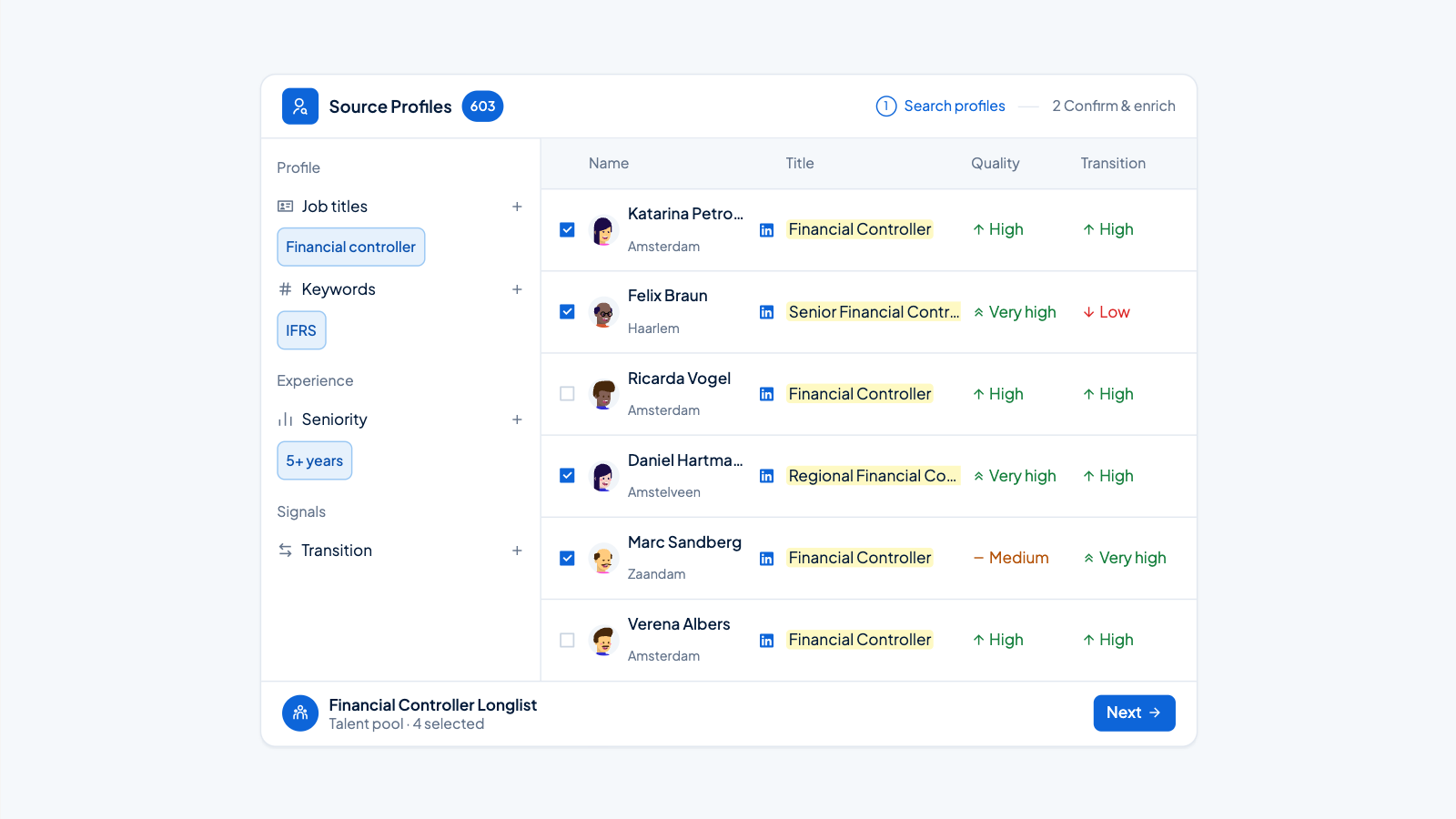
The recruitment world has changed drastically. Where recruiters used to get by with one or two recruitment channels, today's labor market demands a much broader approach. Sourcing candidates solely through LinkedIn or traditional job boards increasingly yields disappointing results.
Multi-channel recruitment sourcing offers a solution to this problem. By strategically using multiple channels, you not only expand your candidate pool but also improve the quality of your hires. This approach ensures you reach the right people, regardless of where they are active or how they search for new opportunities.
In this article, you'll discover what multi-channel sourcing really means, why traditional methods fall short, and how to successfully implement this strategy in your recruitment process.
What exactly is multi-channel recruitment sourcing?
Multi-channel recruitment sourcing is the simultaneous use of different sourcing channels to find and attract candidates. Instead of relying on a single platform, you strategically combine multiple touchpoints to maximize your reach.
This approach differs fundamentally from traditional recruitment methods, which often focus on one primary channel. Where classic recruitment sourcing works linearly, multi-channel sourcing creates a network of possibilities that can reach candidates at different times and on different platforms.
The core principles behind this strategy are diversity, consistency, and optimization. You spread your efforts across various channels, keep your messaging consistent, and measure which channels deliver the best results for specific roles.
Why traditional sourcing methods fall short
Single-channel recruitment has significant limitations in today's labor market. Many recruiters find themselves stuck in limited candidate pools when they focus exclusively on one platform.
The biggest challenges of traditional methods are:
- Limited visibility among passive candidates who are not actively looking
- Over-reliance on a single platform that can change its algorithms
- Higher cost per candidate due to a lack of alternatives
- Missed opportunities with diverse target groups that prefer other channels
These limitations lead to longer time-to-fill, higher recruitment costs, and often suboptimal hiring outcomes. Recruiters who stick to old methods systematically miss out on talent that is reachable through other channels.
The key channels for effective multi-channel sourcing
Successful sourcing strategies use a varied mix of recruitment channels. Each channel has its own strengths and reaches different types of candidates.
The primary channels for talent acquisition are:
- LinkedIn and professional networks – ideal for senior roles and specialist positions
- Job boards and vacancy platforms – effective for actively searching candidates
- Social media platforms – reaches younger demographics and creative professionals
- Employee referral programs – often yields the highest quality candidates
- Direct sourcing via databases – access to passive candidates
- Recruitment events and networking – personal connections and employer branding
The art lies in understanding which channels work best for specific roles and target groups, and using this knowledge for optimal resource allocation.
How multi-channel sourcing expands your candidate pool
A diversified sourcing approach has a direct impact on both the quantity and quality of your candidates. By using multiple channels, you reach candidates who would otherwise remain invisible.
The concrete benefits of multi-channel sourcing are measurable. Organizations that use this approach report an average of 40% more qualified candidates and a shorter time-to-hire. This is because different channels attract different types of talent.
Passive candidates, who are often the best match for senior positions, are harder to reach through traditional job boards, for example, but are accessible via LinkedIn or referrals. Actively searching candidates, on the other hand, respond well to vacancy platforms and social media campaigns.
This diversity in candidate sourcing leads to better hiring outcomes, because you have a broader selection and are not limited to one type of candidate.
Multi-channel sourcing strategies for different roles
Effective recruitment automation requires customization per role type. Not every channel works equally well for every role, and successful recruiters adapt their sourcing mix based on specific requirements.
For technical roles, GitHub, Stack Overflow, and specialized tech job boards often work better than general platforms. Sales roles, on the other hand, respond well to LinkedIn outreach and referral programs.
Sector-specific considerations also play an important role. Creative industries require visual platforms like Instagram or Behance, while traditional sectors benefit more from established job boards and professional networks.
Optimizing channels for different target groups requires continuous testing and adjustment. Measure the effectiveness per channel and shift your budget to the best-performing combinations for each role type.
Common mistakes in multi-channel recruitment sourcing
Despite the advantages, many organizations make critical mistakes when implementing multi-channel strategies. These pitfalls can significantly reduce effectiveness.
The most common mistakes are:
- Lack of consistency between channels in messaging and employer branding
- Inefficient resource allocation without data-driven decision-making
- Missing tracking of channel effectiveness and ROI per platform
- Overcomplication by using too many channels at once without a clear strategy
Successful implementation requires a phased approach. Start with two to three channels, measure the results thoroughly, and gradually expand based on proven effectiveness.
How Applyfin helps with multi-channel recruitment sourcing
Applyfin's platform centralizes all your recruitment channels into one clear system. Instead of switching between different tools, you manage all sourcing activities from a single dashboard.
Our solution supports multi-channel sourcing by:
- Automated distribution of vacancies to multiple platforms simultaneously
- Centralized candidate tracking, regardless of the original sourcing channel
- Data-driven insights on channel effectiveness and ROI per platform
- AI-powered qualification that consistently assesses candidates from all channels
With our recruitment automation, you can manage up to three times more candidates while improving the quality of your hires. The platform integrates seamlessly with your existing sourcing channels and automatically optimizes your sourcing strategies.
Discover how Applyfin can transform your multi-channel recruitment process. View our features for more details on our sourcing capabilities, or get in touch for a personal demonstration of the platform.