How to communicate effectively with applicants?
Discover why 77% of candidates share bad experiences and learn practical strategies for professional applicant communication.

Effective communication with applicants can make the difference between attracting top talent and losing the best candidates to competitors. In today’s job market, candidates have more choices than ever, making transparent communication and a professional approach crucial for successful recruitment.
Many recruiters underestimate the impact of their communication style on the candidate experience. A single missed email or unclear expectation can lead to negative reviews on platforms like Glassdoor, directly affecting your employer branding. This guide offers practical strategies for professional communication with applicants that feels both efficient and personal.
Why poor communication drives top talent away
Research shows that 77% of candidates share a bad experience with their network, directly impacting your reputation as an employer. Common communication mistakes in recruitment lead to measurable consequences for organizations.
The most costly mistakes arise from a lack of transparency about the application process. When candidates wait weeks for feedback without a clear timeline, they actively seek alternatives. This not only results in losing quality candidates but also damages your employer brand for future vacancies.
Late responses and unclear expectations create frustration among applicants. Top talent usually has multiple options and chooses organizations that show respect through timely feedback and clear communication. A negative candidate experience can also lead to negative online reviews, reducing your appeal to future candidates.
The fundamentals of professional applicant communication
Effective communication with applicants starts with four core principles that form the foundation for every successful interaction with candidates. These principles help you make a consistent and professional impression, regardless of the communication channel.
Transparency means being honest about the application process, timelines, and expectations. Share from the start how many steps the process has, which documents are needed, and when candidates can expect feedback. This openness creates trust and reduces uncertainty.
Timeliness goes beyond responding quickly. It also means communicating clear deadlines and meeting them. If you promise to respond within three business days, make sure it happens, even if it’s just an interim update.
Consistency in tone of voice and messaging ensures candidates have a coherent experience, regardless of who they speak with within your organization. Empathy helps you view the candidate experience from their perspective and show understanding for their situation and concerns.
Which communication channels work best?
Choosing the right communication channel depends on the stage of the application process and the candidate’s preference. Each channel has specific pros and cons you need to weigh.
Email remains the most used channel for formal communication and documentation. The advantage is that both you and the candidate have a written record of all agreements and information. Email works excellently for sending job details, confirmations, and follow-up messages.
Phone calls are ideal for personal screening and discussing complex topics. The direct interaction helps build a personal connection and makes it possible to answer questions immediately. Use the phone primarily for initial introductions and providing important feedback.
Video calls combine the benefits of personal contact with the efficiency of digital communication. They are perfect for interviews and in-depth conversations, especially when physical presence isn’t possible. Modern messaging platforms can be useful for quick updates and informal communication, but use them sparingly in professional recruitment.
Giving timely feedback at every stage
Constructive feedback throughout the entire application process shows respect for the time and effort candidates invest. Each stage requires a different approach, but consistency in timing and quality remains essential.
After the initial screening, it’s important to respond within 48 hours with a clear next step. This could be an invitation for an interview or a polite rejection explaining why the profile doesn’t fit the current vacancy.
During the interview process, every candidate deserves clear candidate communication about their performance and the next steps. Give specific feedback about strengths and any areas of concern, even if you decide not to proceed with their candidacy.
For the final decision, transparency is crucial. Explain which factors played a role in the choice and offer tips for future applications where possible. This professional closing can motivate candidates to apply again in the future or recommend your organization within their network.
Automation without losing the personal touch
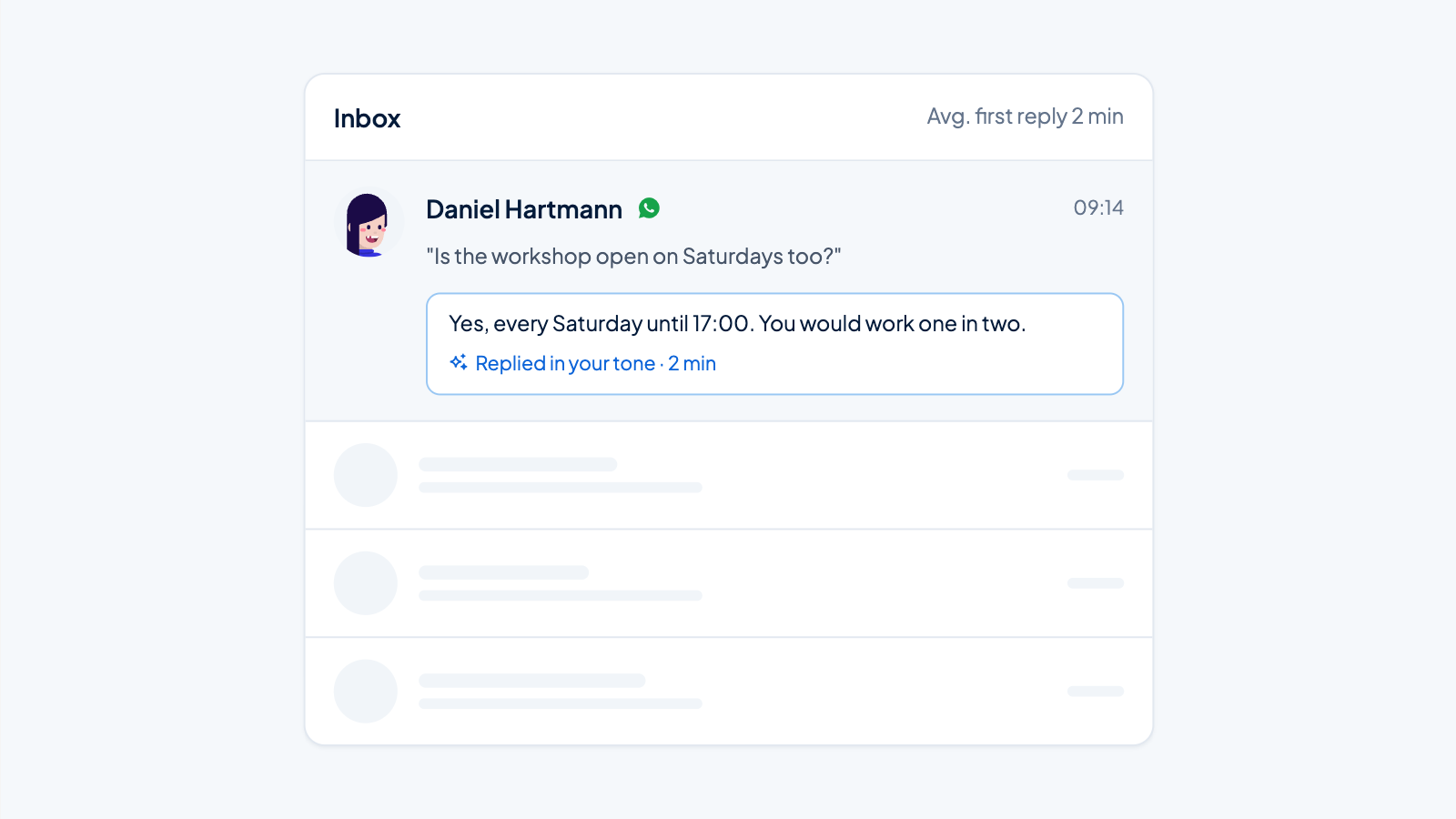
Modern recruitment automation tools make it possible to maintain consistent communication without losing the human connection. The secret lies in smartly combining automated efficiency with personal elements.
Automated messages work best for standard processes like confirmations of received applications and reminders for scheduled interviews. These messages should still feel personal by using the candidate’s name and including specific details about the vacancy.
Templates for common situations can save time without reducing quality. Develop different versions for different scenarios, but always customize them with personal details and specific feedback for each candidate.
The key is to use automation for administrative tasks, while keeping important conversations and feedback personal. This gives you more time for meaningful interactions with candidates, while still communicating efficiently.
Common communication mistakes and how to avoid them
Even experienced recruiters sometimes make communication mistakes that negatively affect the candidate experience. Recognizing and preventing these missteps directly improves your communication in the recruitment process and the results.
The most common mistakes are:
- Responding too late to applications or candidate questions
- Unclear expectations about the application process and timelines
- Lack of feedback after interviews or assessments
- Inconsistent messages from different team members
- Generic communication without personal elements
Preventive measures start with establishing clear communication standards for your team. Make agreements about response times, use standard templates that can be customized, and ensure a single point of contact per candidate to avoid confusion.
Regular evaluation of your communication process helps identify areas for improvement. Ask candidates for feedback on their experience and use these insights to refine your approach.
How Applyfin helps with effective applicant communication
Applyfin supports recruiters in maintaining consistent and professional communication throughout the entire application process. Our platform centralizes all candidate interactions and automates routine tasks, so you have more time for personal conversations.
The key benefits for communication with applicants:
- Automated follow-ups and reminders prevent missed touchpoints
- Centralized candidate profiles give a complete overview of all communication
- Customizable templates ensure consistent yet personal messages
- Pipeline management instantly shows which candidates need feedback
Through smart automation, you can professionally guide up to three times more applicants without losing the personal touch. Our recruitment platform helps you build a positive candidate experience that attracts and retains top talent.
Want to discover how Applyfin can improve your applicant communication? Get in touch for a personal demonstration of our capabilities.