How do you manage your recruitment pipeline?
Optimize your recruitment pipeline with automation and structure. Increase candidate quality with 60% cost savings. Discover proven strategies.

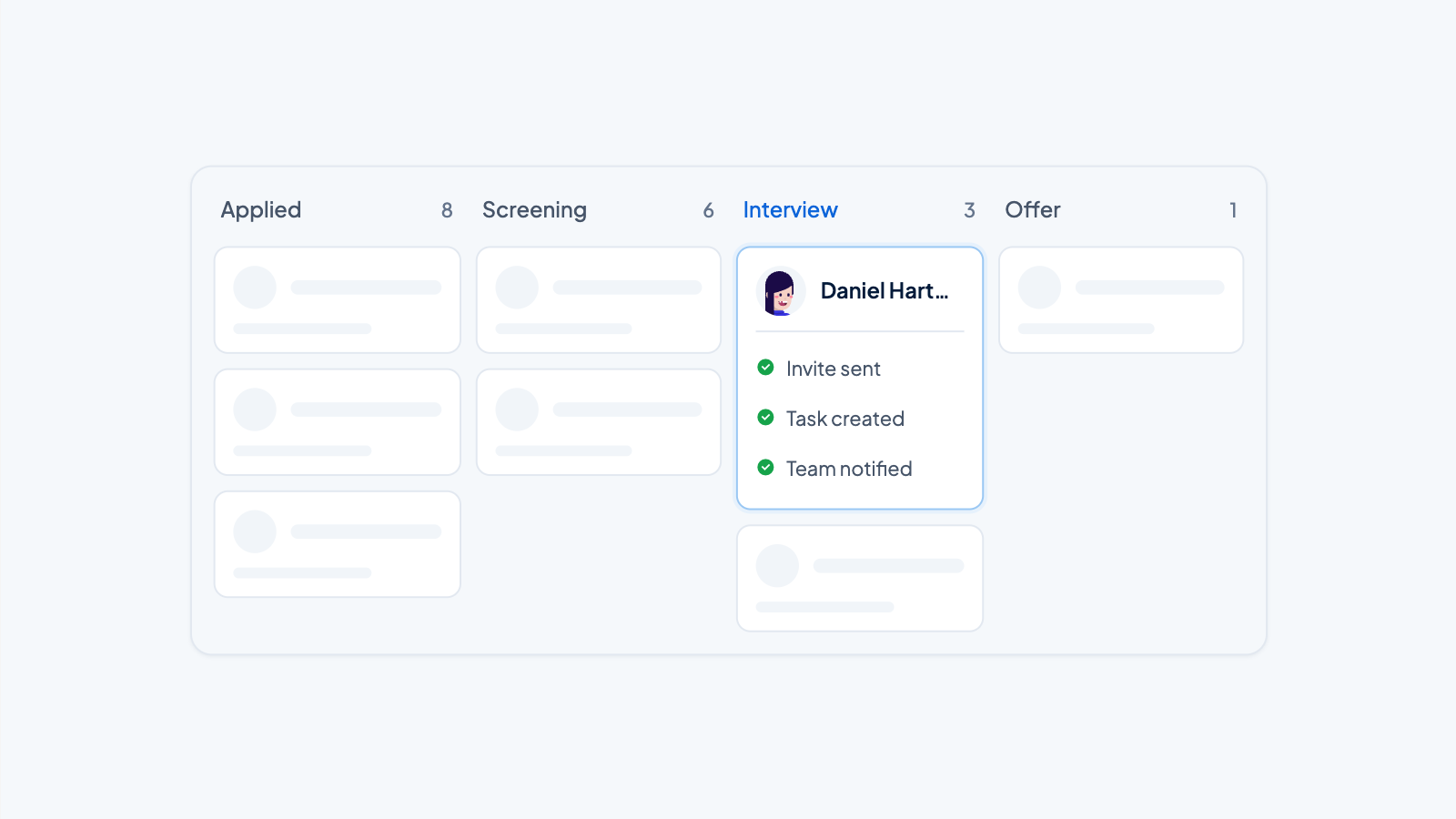
An effective recruitment pipeline is the backbone of successful talent acquisition. Yet many HR professionals struggle with chaotic recruitment processes where candidates fall through the cracks, oversight is lacking, and valuable time is lost to manual tasks. The difference between a well-functioning pipeline and a failing one often lies in a systematic approach, smart automation, and measurable processes.
A structured hiring process not only increases the quality of hired candidates but also significantly reduces the time and cost per hire. By optimizing your recruitment workflow, you create a predictable candidate flow that grows with your organization.
Why most recruitment pipelines fail
Traditional recruitment processes suffer from structural problems that undermine effectiveness. Lack of oversight tops the list of frustrations for recruiters. Without a central system, candidates get lost between different platforms, spreadsheets, and email conversations.
Manual tasks consume a disproportionate amount of work time. Recruiters spend an average of 60% of their time on administrative tasks instead of actually assessing and speaking with candidates. This inefficiency leads to longer turnaround times and higher cost per hire.
Communication issues cause candidate drop-off between different stages of the recruitment process. When feedback is delayed or unclear, quality candidates opt for alternatives. The lack of standardized communication also damages the employer brand.
The 5 essential stages of an effective recruitment pipeline
A well-functioning recruitment pipeline consists of five clearly defined stages that seamlessly follow one another:
- Sourcing: identifying and attracting potential candidates through various channels. This stage includes creating compelling job descriptions, determining the right advertising channels, and building a candidate pool.
- Screening: the initial assessment of incoming applications based on predetermined criteria. Here, resumes are scanned, cover letters are reviewed, and an initial selection is made.
- Interviewing: conducting interviews with selected candidates to assess skills, cultural fit, and motivation. This stage may include multiple interview rounds.
- Selection: making the final choice based on all collected information. Reference checks and any assessments take place in this stage.
- Onboarding: guiding the new employee during the initial period, from contract signing to full integration into the team.
Each stage has specific objectives and measurable outcomes that contribute to the overall effectiveness of the recruitment process.
How automation transforms your recruitment pipeline
Modern recruitment management benefits enormously from smart automation. AI-driven candidate screening analyzes resumes within seconds and scores applicants on relevant criteria. This saves recruiters hours of work and increases the objectivity of the initial selection.
Automated communication ensures a consistent candidate experience. Automatic confirmation emails, status updates, and rejection letters keep candidates informed without manual intervention. This improves the employer brand and reduces administrative burdens.
The benefits of automation in the recruitment process are measurable:
- time savings of 40–60% on administrative tasks
- improved candidate quality through objective screening
- scalability of recruitment operations without proportional cost increase
- consistent processes that are less dependent on individual recruiters
Tools and technologies for optimal pipeline management
The choice of the right recruitment technology largely determines the success of your candidate management. Modern applicant tracking systems centralize all candidate information and provide insight into every stage of the recruitment process.
When selecting HR pipeline tools, several criteria are important. Integration quality with existing systems prevents data silos and manual duplicate work. User-friendliness determines adoption by your recruitment team.
Scalability is crucial for growing organizations. Tools must grow with your recruitment volume without performance degradation. Reporting capabilities provide insight into the effectiveness of your recruitment workflow and highlight areas for improvement.
Measurable results and KPIs for recruitment success
Effective recruitment pipeline management requires continuous monitoring of performance indicators. Time-to-hire measures the average turnaround time from job posting to hire. This metric helps identify bottlenecks in your hiring process.
Cost-per-hire calculates the total cost per successful hire, including advertising costs, recruiter time, and systems. Candidate quality scores measure how well new employees perform in their first months, reflecting the effectiveness of your selection process.
Conversion ratios per stage show where candidates drop out in your pipeline. These insights help optimize specific process steps. Data analysis of these metrics leads to continuous improvement of your recruitment process.
How Applyfin helps with recruitment pipeline management
Our platform centralizes your entire recruitment process and automates time-consuming tasks, so your team can focus on what really matters. With Applyfin, you manage up to three times more candidates than with traditional workflows:
- smart job management with automated distribution to relevant channels
- AI-driven candidate screening that objectively scores on predetermined criteria
- centralized candidate profiles with all communication and documents in one place
- automated workflows for recurring tasks such as scheduling and follow-ups
Organizations using our recruitment automation solutions achieve up to 60% cost savings on their recruitment process. Want to see how our recruitment platform can transform your pipeline? Contact us for a personal demonstration of our capabilities.