What makes a dynamic landing page effective for recruitment?
Dynamic landing pages increase recruitment conversions by 20-30% through personalized content and smart candidate segmentation.

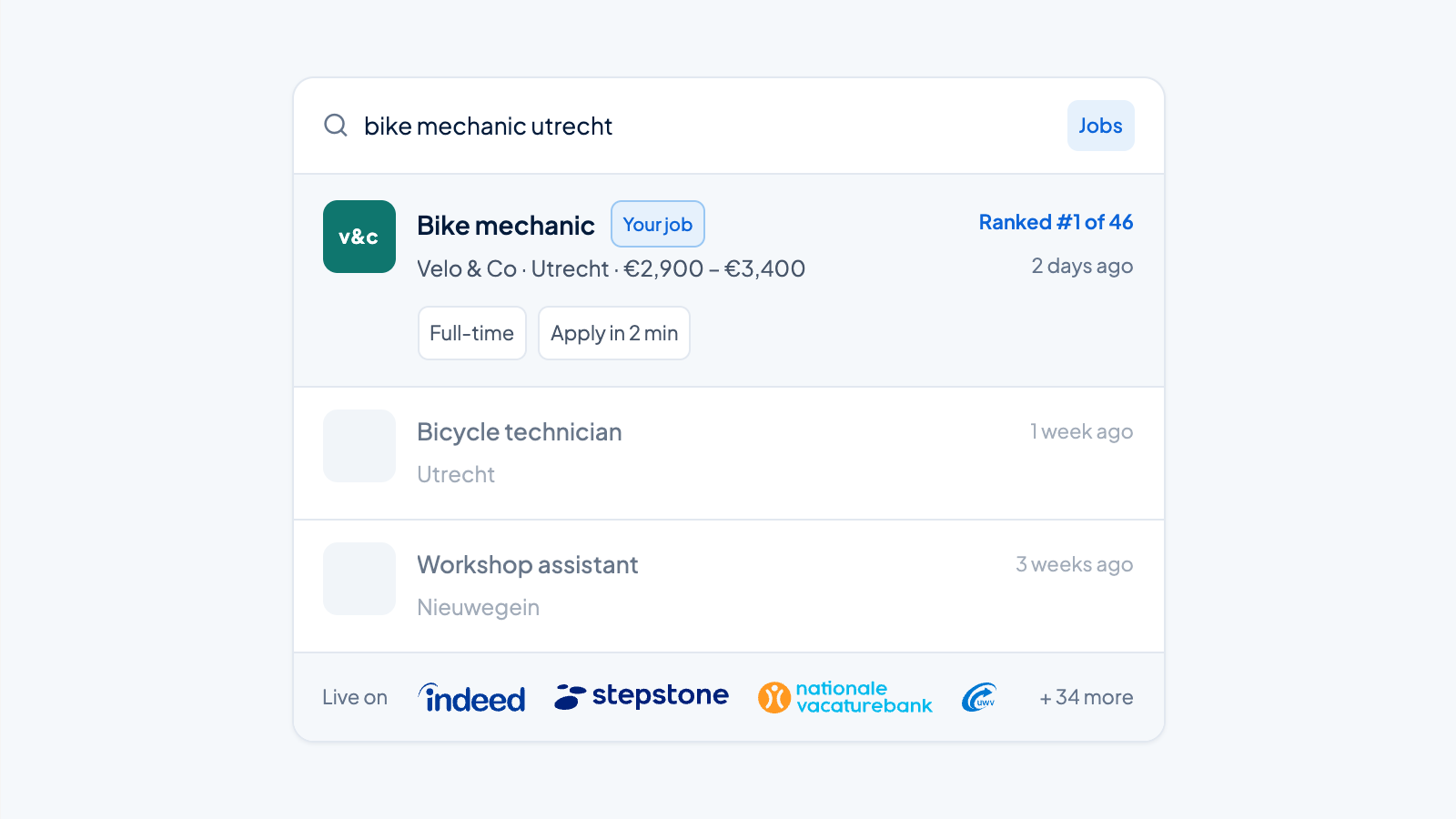
A dynamic recruitment landing page automatically adapts to each visitor through personalization, real-time content updates, and interactive elements. These pages use candidate data to display relevant job openings, company information, and application elements, significantly increasing the likelihood of conversion.
Generic recruitment pages drive qualified candidates away
Many companies lose top candidates every day because their static landing pages don’t align with what different candidate profiles are looking for. A senior developer sees the same generic text as a junior marketer, leaving both groups feeling that the organization doesn’t understand them. The result: qualified candidates leave the page within 10 seconds without applying. The solution lies in segmenting your target audience and creating dynamic content that automatically shows the right message to the right person.
Low conversion rates signal a deeper user experience problem
When only 2-3% of your landing page visitors actually apply, this points to fundamental issues in the user journey. Candidates can’t find what they’re looking for quickly enough, the application process feels too complex, or the page loads too slowly on mobile devices. These symptoms cost you not only candidates but also ad spend that generates no results. Focus on optimizing load times, simplifying forms, and adding clear call-to-action elements that guide candidates through the process.
What is a dynamic recruitment landing page?
A dynamic recruitment landing page is a web page that automatically adapts to the visitor based on their profile, behavior, or referral source. These pages display personalized content, relevant job openings, and tailored call-to-actions to maximize the chance of conversion.
Unlike static pages that show everyone the same thing, dynamic landing pages use technology to make real-time adjustments. For example, they can show different headlines to candidates from different industries, highlight specific benefits relevant to the visitor, or adapt the application form to their experience level.
These pages often integrate with recruitment automation tools and applicant tracking systems to exchange data seamlessly. This creates a personal experience that makes candidates feel the organization understands and values them.
Why are dynamic landing pages more effective than static pages?
Dynamic landing pages perform better because they display relevant, personalized content that matches each visitor’s specific needs and interests. This results in higher engagement, longer time on page, and more applications.
Static pages treat all visitors the same, regardless of their background or motivation. An experienced professional and an entry-level candidate see the same generic message, leaving both groups potentially feeling unengaged. Dynamic pages, on the other hand, can automatically show different versions:
- Different headlines for different functional areas
- Tailored benefits based on career stage
- Relevant testimonials from similar profiles
- Specific call-to-actions that match the visitor
Research shows that personalized landing pages can increase conversion rates by 20-30%. For recruitment, this means more qualified applications and a better candidate experience.
Which elements make a recruitment landing page dynamic?
Dynamic recruitment landing pages include personalization elements, real-time content updates, interactive components, and smart forms that adapt to the visitor. These elements work together to create a unique experience for each candidate.
The key dynamic elements are:
- Personalized headlines: Automatically adjusted titles based on referral source or profile
- Smart job recommendations: Relevant open positions based on experience and interests
- Adaptive forms: Application forms that adjust questions to the job level
- Dynamic testimonials: Reviews from employees with similar backgrounds
- Real-time chat: Automated chatbots that provide personalized answers
Technically, these elements use cookies, URL parameters, geolocation data, and integrations with recruitment databases. The system analyzes visitor information and adjusts content in real time for optimal relevance.
How do you personalize a landing page for different candidate profiles?
Personalization of recruitment landing pages happens through candidate segmentation, data analysis, and automatic content adjustments. You create different versions for specific profiles and let technology determine which version each visitor sees.
Start by identifying your key candidate profiles. Analyze which groups apply most often and what their unique motivations are. Common segments include:
- Functional area: IT, marketing, sales, HR, finance
- Experience level: Entry-level, mid-level, senior, management
- Referral source: LinkedIn, job boards, referrals, direct searches
- Location: Local candidates vs. international professionals
For each segment, develop tailored content that addresses their specific pain points and motivations. A senior developer, for example, wants to know more about technical challenges and autonomy, while an entry-level candidate is interested in learning and growth opportunities. Use URL parameters, cookies, or integrations with your recruitment system to automatically show the right version.
Which conversion elements are essential for recruitment landing pages?
Essential conversion elements for recruitment landing pages include a clear primary call-to-action, simplified application forms, social proof, urgency indicators, and mobile optimization. These elements effectively guide visitors toward the desired goal: applying.
The key conversion elements are strategically placed and designed to remove friction:
- Prominent apply button: Clearly visible, contrasting color, active text
- Short application form: Maximum 5 fields, optional CV upload
- Social proof: Employee reviews, certifications, awards
- Urgency elements: Deadlines, limited number of positions
- Trust signals: Privacy statements, secure connection indicators
Make sure your landing page loads within 3 seconds and works perfectly on mobile devices. More than 60% of candidates use their smartphone to search for jobs. Test different variations of your call-to-action text and form fields to discover what works best for your target audience.
How do you measure the success of a dynamic recruitment landing page?
You measure the success of dynamic recruitment landing pages by monitoring conversion rate, time on page, bounce rate, quality of applications, and cost per hire. These metrics provide insight into both technical performance and business impact.
The key KPIs for recruitment landing pages are:
- Conversion rate: Percentage of visitors who apply (aim for 5-10%)
- Bounce rate: Percentage who leave immediately (below 40% is good)
- Time on page: How long visitors stay (minimum 2 minutes)
- Lead quality: Percentage of applications that progress to interviews
- Cost per application: Advertising spend divided by number of applications
Use tools like Google Analytics, heatmap software, and your recruitment platform to collect this data. Segment your reports by candidate profile to see which personalization strategies work best. Regularly test different versions of your dynamic elements and optimize based on the results.
How Applyfin helps with dynamic recruitment landing pages
At Applyfin, we understand that effective recruitment landing pages are more than just nice designs. Our platform integrates seamlessly with your landing pages to create a complete recruitment automation workflow. With our AI-driven qualification and automated workflows, recruiters can manage up to 3x more candidates while significantly improving the candidate experience.
With Applyfin, you get access to:
- Automated candidate qualification that integrates directly with your landing page
- Central dashboard for managing all applications from different sources
- AI workflows that automatically identify and prioritize the best candidates
- Comprehensive analytics to optimize your landing page performance
Ready to automate your recruitment process and achieve better results? Discover our features and see how our platform can transform your recruitment workflow. Get in touch for a personal demo or start today optimizing your recruitment landing pages.