How do you centralize all candidate information?
Centralizing candidate information prevents resumes, notes, and communication from getting scattered across emails and spreadsheets. By collecting all applicant data in one place, you work more efficiently, improve team collaboration, and provide candidates with a consistent experience. Discover which data you should centralize, how to choose the right system, and what challenges you'll encounter. From data migration to team adoption: learn the steps for successful implementation and experience immediate benefits like time savings and faster hiring decisions.

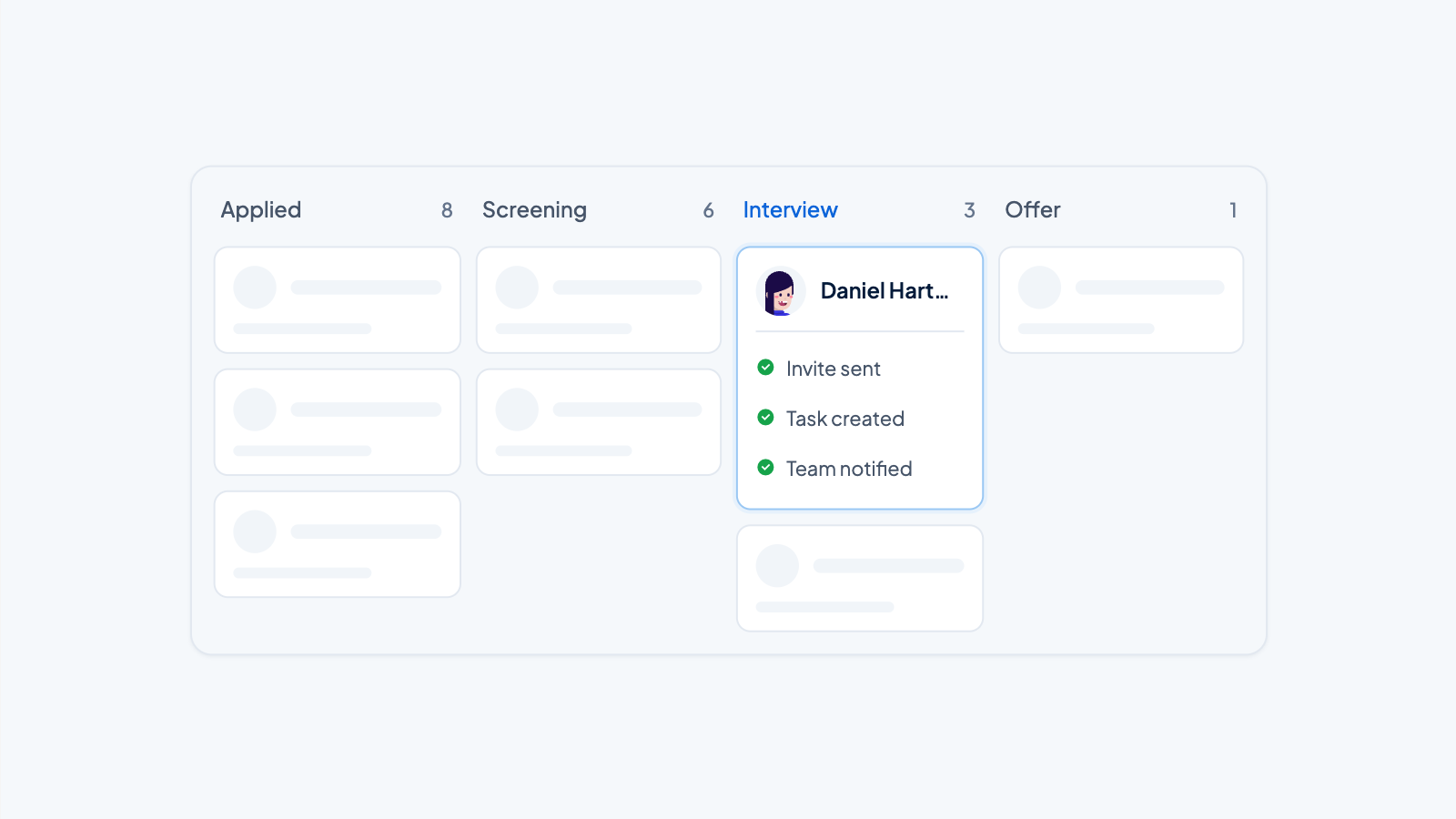
Centralizing candidate information means you collect and manage all applicant data in one place. This prevents important information from becoming scattered across emails, spreadsheets, and various tools. Centralization helps you work more efficiently, improves collaboration among team members, and gives candidates a consistent experience throughout the entire application process.
What does centralizing candidate information mean and why is it important?
Centralizing candidate information means bundling all applicant data into one system. Instead of resumes in your inbox, notes in a Word document, and contact details in a spreadsheet, everything comes together in one centralized platform.
The problems of fragmented data are familiar to many recruiters. You spend ten minutes searching for that one email with a candidate's availability. A colleague doesn't know you've already been in touch with someone. Important interview notes remain stuck in a personal document. This fragmentation wastes time and causes miscommunication.
Centralization is important because it lays the foundation for efficient recruitment. Your team has real-time access to the same information. Candidates receive faster responses because no one has to search for previous communication. You can make better decisions because all relevant data is immediately available. For organizations using AI in recruitment processes, centralization becomes even more important, because AI tools only work effectively with structured, accessible data.
Which candidate information should you actually centralize?
A complete candidate profile contains more than just a resume and phone number. To truly streamline recruitment processes, you need a wide range of information that must all be accessible in one place.
The most important categories of candidate data are:
- Basic information: name, contact details, location, and availability
- Application materials: resume, cover letter, portfolio, and relevant certificates
- Communication history: emails, WhatsApp messages, phone calls, and meeting notes
- Interview data: interview assessments, feedback from various team members, and scorecards
- Assessment results: outcomes of tests, assignments, or practical cases
- Screening data: information from initial screening rounds, automatic qualification scores, and matching indicators
- GDPR documentation: consent statements, retention periods, and processing grounds
- Pipeline information: current stage in the process, next steps, and responsible recruiter
By centralizing this data, you create a complete picture of each candidate. This makes it possible to effectively use AI recruitment tasks such as automatic screening and matching, because the AI has access to all relevant information.
How do you choose the right system to centralize candidate information?
Choosing a suitable platform for candidate information requires careful consideration. The system must not only work today, but also grow with your organization and future recruitment needs.
Evaluate potential systems based on these criteria:
- Integration capacity: can the platform connect with your existing tools like your HR system, email, and communication channels? Seamless integrations prevent duplicate work.
- User-friendliness: is the interface intuitive enough for your team to adopt the system quickly? Complex systems lead to resistance and low usage rates.
- Automation capabilities: does the platform support AI recruitment tasks such as automatic screening, smart matching, and automated communication?
- Reporting features: do you get insights into key metrics like time-to-hire, conversion rates, and bottlenecks in your process?
- GDPR compliance: does the system offer built-in functionality for consent management, retention periods, and candidate rights?
- Scalability: can the platform grow with you as you have more vacancies, candidates, or team members?
- Support and training: do you get sufficient guidance during implementation and ongoing support?
Preferably test the system with a pilot group before rolling it out organization-wide. This way you discover practical pros and cons before starting a full migration.
What are the biggest challenges when centralizing candidate data?
The transition to centralized candidate information brings several obstacles. It's important to recognize these challenges and deal with them proactively so that your implementation runs smoothly.
Data migration often forms the first hurdle. You have candidate data scattered across old systems, email accounts, and local files. Cleaning, structuring, and transferring this data takes time and requires attention to quality. Incomplete or incorrect data in your new system undermines the entire purpose of centralization.
Team adoption is another critical factor. Recruiters who are used to their own way of working must switch to a new system. Without proper training and clear benefits, people will keep falling back on old habits. Change management requires ongoing attention and support.
Maintaining data quality requires discipline. A central system is only valuable if everyone enters information consistently. Sloppily maintained profiles, missing notes, or outdated data make your centralized database less reliable.
Integration with existing HR tools can bring technical complexity. Not all systems communicate effortlessly with each other. Sometimes custom integrations are needed, which requires extra time and budget.
GDPR compliance becomes more complex when you manage more data centrally. You need clear processes for consent, retention periods, access requests, and deletion. The system must support these compliance requirements with built-in functionality.
How do you implement a centralized candidate information system step by step?
A successful implementation follows a structured approach. By working systematically, you minimize disruption to your daily recruitment activities and maximize the chance of successful adoption.
- Analyze your current data landscape: map out where candidate information currently resides, which systems you use, and which data you want to migrate. Also identify which old data you can archive or delete.
- Select the right platform: use the evaluation criteria from the previous section to choose a system that fits your organization. Involve key stakeholders in this decision.
- Plan the data migration: create a detailed plan for transferring existing candidate data. Clean data before migrating and test the migration first with a small dataset.
- Set up workflows and permissions: configure the system according to your recruitment process. Determine who has access to which information and set up approval flows where necessary.
- Train your recruitment team: organize practical training sessions where team members learn to work with the new system. Provide documentation and a point of contact for questions.
- Test the system thoroughly: run a pilot with a limited group of users and a few vacancies. Collect feedback and resolve teething problems before rolling out broadly.
- Launch and optimize: roll out the system in phases to your entire organization. Monitor usage, collect feedback, and keep optimizing the system based on practical experiences.
Implementation is not a one-time event but an ongoing process. Even after the initial rollout, you continue to adapt the system to changing needs and new possibilities such as making AI recruitment cheaper and faster.
What benefits do you see immediately after centralizing candidate information?
Once you've centralized candidate data, you experience tangible improvements in your daily recruitment activities. These benefits justify the investment of time and resources that implementation requires.
Time savings is the most immediate benefit. You no longer search for information in different systems or ask colleagues about a candidate's status. Everything is in one place, directly accessible. Duplicate data entry disappears because information is automatically recorded and made available to the entire team.
Team collaboration improves significantly. Everyone works with the same up-to-date information. A hiring manager immediately sees which candidates the recruiter has spoken to and what the findings were. Colleagues can seamlessly take over each other's work without lengthy handovers.
Faster hiring decisions become possible because you have complete candidate profiles. All relevant information for a decision is together, from initial screening to final interview. This speeds up the process and improves the quality of your choices.
Candidate experience improves through consistent communication. No one gets the same question twice because one team member didn't know another had already been in touch. Response times become shorter because information is immediately available.
Reporting and insights gain a new dimension. With centralized data, you can recognize patterns, identify bottlenecks, and make data-driven decisions about your recruitment strategy. You see where candidates drop off and can make targeted improvements.
For organizations that want to use recruitment automation solutions, centralized candidate information forms the essential foundation. AI tools can only work effectively when they have access to complete, structured data. This makes AI in recruitment processes not only possible, but also significantly more effective.
Compliance becomes easier to manage. You have one system where all GDPR-related information resides, from consent statements to retention periods. This reduces the risk of violations and makes audits more manageable.
Want to discover how a centralized recruitment platform can transform your hiring processes? We'd be happy to help with a personal demo showing how centralizing candidate information solves your specific challenges. Get in touch to discuss the possibilities for your organization.