What is the difference between AI CV screening and manual screening?
AI screening processes CVs in minutes, manual screening provides human insight. Discover which method fits your organization.

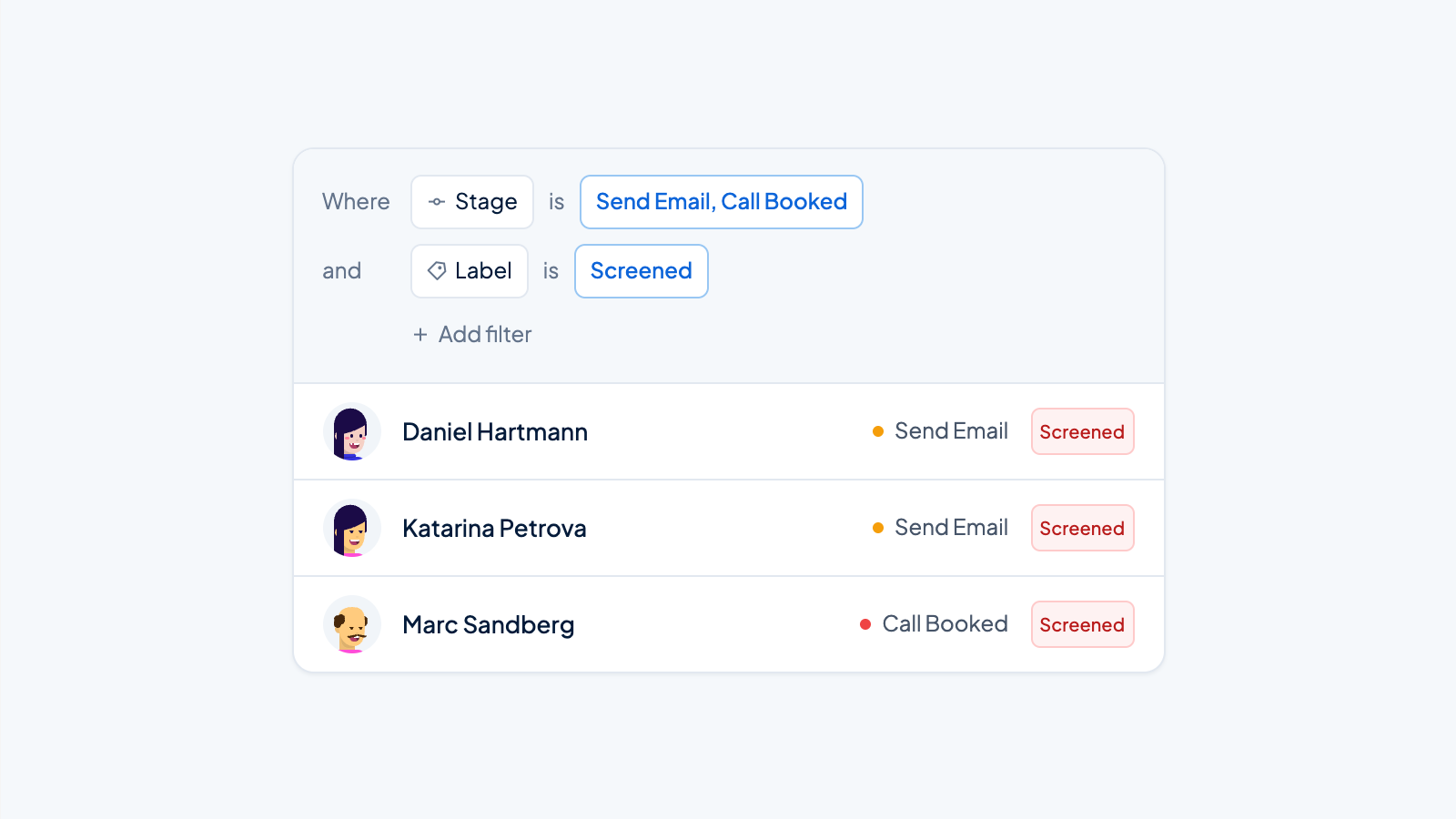
The difference between AI resume screening and manual screening lies in the approach: AI screening uses algorithms to automatically analyze and evaluate resumes against predefined criteria, while manual screening relies on recruiters personally reading and assessing each resume. AI screening offers speed and consistency but lacks human nuance. Manual screening provides more context and flexibility but takes considerably more time.
What is AI resume screening and how does it work exactly?
AI resume screening is an automated process where artificial intelligence analyzes and evaluates resumes without human intervention. The system scans documents for specific keywords, skills, work experience, and educational backgrounds to rank candidates by suitability for a role.
The technology works by applying natural language processing to resume text. Algorithms identify relevant information such as job titles, company names, education levels, and technical skills. The system compares this data with predefined job requirements and assigns scores to each candidate.
Modern AI resume screening software uses machine learning to recognize patterns in successful hires. The system learns which combinations of experience and skills lead to good employees and applies this knowledge to new candidates.
The process typically involves these steps:
- Automatic extraction of data from resumes
- Matching of skills with job requirements
- Scoring based on relevance and experience
- Ranking candidates from high to low
- Forwarding top candidates to recruiters
What does manual resume screening involve and why do companies still do it?
Manual resume screening means recruiters personally read, analyze, and assess each resume for suitability. This traditional process requires human interpretation of work experience, skills, and motivation to form a complete picture of each candidate.
During manual screening, recruiters spend an average of 6–30 seconds per resume on an initial review. They look for relevant work experience, matching educational backgrounds, and indicators of fit with the company culture. Interesting candidates receive a more thorough assessment.
Many organizations still choose this approach because it offers human insight that AI lacks. Recruiters can understand context, read between the lines, and pick up subtle signals about motivation and personality.
Manual screening remains popular for:
- Small businesses with limited hiring volumes
- Creative roles where experience is difficult to quantify
- Leadership positions that require strong soft skills
- Organizations that value a personal approach
- Specialized roles with unique requirements
What are the main advantages of AI screening compared to manual screening?
AI screening offers significant advantages in speed, consistency, and scalability compared to manual methods. It can process hundreds of resumes per minute without fatigue or bias, while recruiters are limited to a few resumes per hour.
The biggest advantages of AI screening are:
- Speed advantage: processes large volumes in minutes instead of days
- Consistent evaluation: uses the same criteria for every candidate
- 24/7 availability: works continuously without breaks or days off
- Cost-effectiveness: reduces staffing costs at high hiring volumes
- Objectivity: reduces unconscious biases and personal preferences
For organizations with regular hiring needs, this means a drastic reduction in administrative burden. Recruiters can focus on interviewing pre-selected candidates instead of wading through stacks of resumes.
AI screening also prevents human errors caused by fatigue or time pressure. The system doesn't miss relevant candidates because it consistently evaluates all submitted resumes according to the same standards.
What are the disadvantages of AI resume screening compared to human assessment?
AI screening misses important human elements, such as recognizing potential, understanding career transitions, and appreciating unique backgrounds. The system can reject valuable candidates who don't perfectly match predefined criteria but would be suitable.
The main limitations of AI screening are:
- Lack of context: doesn't understand why someone changed careers
- Blindness to soft skills: can't assess communication skills or teamwork
- Rigid criteria: rejects candidates who fall just outside the parameters
- Algorithmic bias: can unintentionally discriminate against certain groups
- Creative backgrounds: misses the value of diverse experiences
AI systems also struggle with interpreting unusual resume formats, creative presentations, or international qualifications. They can miss excellent candidates who describe their experience differently than the algorithm expects.
Additionally, algorithmic bias can arise when training data contains biases from previous hiring decisions. This can perpetuate discrimination against underrepresented groups without organizations being aware of it.
How do you choose between AI screening and manual screening for your organization?
The choice between AI and manual screening depends on your hiring volume, available budget, type of roles, and organizational culture. Companies with more than 100 applications per month usually benefit from AI screening, while smaller organizations may be better off with manual processes.
Consider these factors in your decision:
- Hiring volume: AI pays off at more than 50 resumes per week
- Role type: technical roles are suitable for AI, creative functions for manual screening
- Budget: AI requires an initial investment, but saves in the long run
- Urgency: AI significantly speeds up the process
- Diversity goals: manual screening offers more flexibility
Many organizations opt for a hybrid approach, where AI does the initial screening and recruiters make the final selection. This combines the efficiency of automation with human insight for important decisions.
How Applyfin helps optimize resume screening
Applyfin offers an intelligent solution that combines the best of both worlds: the speed of AI screening with the human touch of recruiters. Our platform makes resume screening more efficient without sacrificing the quality of candidate selection.
With Applyfin, you benefit from:
- Smart pre-filtering: AI selects the best candidates, recruiters make the final choice
- Bias-free screening: advanced algorithms that promote diversity
- Time savings of up to 80%: focus on interviewing instead of plowing through resumes
- Flexible criteria: adjust screening to your specific job requirements
- Real-time analytics: insight into your hiring process and candidate quality
For optimal results, you may consider investing in advanced screening tools that integrate both methods. A good strategy is to start with AI for volume positions and keep manual screening for specialized roles. Contact us for personalized advice on which screening method best fits your organization.