How do you automate job posting?
Automate recruitment processes: save 60-70% time, improve candidate quality, and increase efficiency. Discover practical implementation strategies.

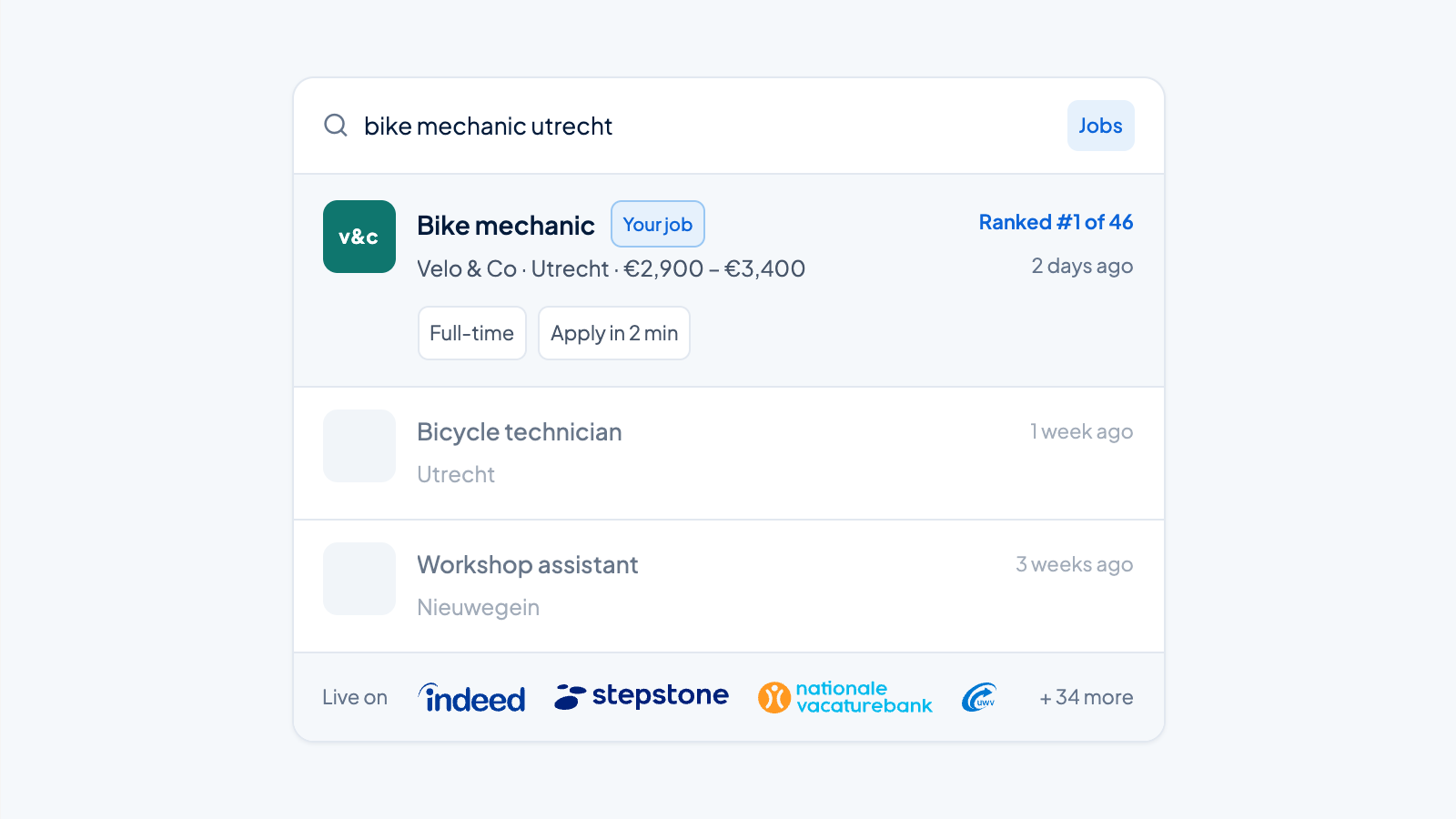
Vacancy automation uses software to replace manual recruitment tasks with automated processes. This saves time, improves candidate quality, and enables recruiters to manage more applicants effectively. Modern recruitment software can fully automate job postings, candidate screening, communication, and pipeline management for better results.
What is automated job posting and why is it important?
Automated job posting is the use of recruitment software to replace manual processes in hiring with intelligent, automated workflows. This includes everything from posting job openings to screening candidates and managing communication.
The key benefits for HR teams and recruiters are significant. Automation saves an average of 60-70% of the time normally spent on administrative tasks. Recruiters can focus on strategic activities, such as conducting quality conversations and building relationships with top candidates.
Candidate quality improves because recruitment software applies consistent screening criteria. AI-driven systems can analyze resumes, assess skills, and rank candidates based on predefined criteria. This reduces human bias and ensures a more objective selection.
Automation also enhances the candidate experience. Fast response times, personalized communication, and transparent processes lead to better employer branding and higher job offer acceptance rates.
Which parts of job posting can you automate?
Most recruitment processes can be automated, from initial job posting to final candidate selection. Modern systems offer extensive automation capabilities for various stages of the hiring process.
Job posting and distribution can be fully automated. Software can automatically distribute job openings to multiple job boards, social media platforms, and the company website. This saves hours of manual work and ensures broader visibility.
Candidate screening and qualification are another important area for automation:
- Resume parsing and analysis for automatic extraction of relevant information
- Pre-screening questionnaires that automatically qualify candidates
- AI-driven matching between candidate profiles and job requirements
- Automatic ranking and scoring of applicants
- Background checks and reference verification
Communication and follow-up processes can also be automated. This includes confirmation emails, status updates, interview invitations, and rejection letters. Personalized templates ensure professional communication without manual intervention.
Pipeline management and reporting provide real-time insight into the progress of all job openings. Automated dashboards display metrics such as time-to-hire, conversion rates, and candidate satisfaction.
How to choose the right tools for recruitment automation
Selecting the right recruitment software requires careful evaluation of features, scalability, and integration capabilities. The best choice depends on company size, recruitment volume, and the specific needs of the HR team.
Key selection criteria include ease of use and implementation speed. Software should be intuitive for recruiters and quick to implement without extensive training. Recruitment software with a steep learning curve can hinder adoption and reduce productivity.
Features vary by company size:
- Small businesses (1-50 employees): Focus on basic ATS features, simple job posting, and candidate tracking
- Mid-sized companies (50-500 employees): Extensive automation, integrations with HR systems, and advanced reporting
- Large organizations (500+ employees): Enterprise features, compliance management, and extensive customization options
Integration capabilities are crucial for seamless workflows. The software must be able to integrate with existing HR systems, payroll software, and communication tools. API support and prebuilt connectors facilitate these integrations.
Cost structure and ROI must be carefully evaluated. Calculate the total cost of ownership, including implementation, training, and maintenance. Compare this with the expected savings in time and improved hire quality.
What are the first steps to implement vacancy automation?
Successful implementation of recruitment automation starts with thorough preparation and phased rollout. A systematic approach minimizes risks and maximizes adoption by the HR team.
Start by mapping out current recruitment processes. Document all steps from job creation through to onboarding new employees. Identify bottlenecks, time-consuming tasks, and areas where errors frequently occur. This analysis forms the basis for automation priorities.
Set clear objectives and success metrics before you begin. Define what you want to achieve with automation, such as:
- Reduction of time-to-hire by a specific percentage
- Increase in candidate quality scores
- Reduction in administrative time per job opening
- Improvement in candidate experience ratings
Choose a pilot project for the initial implementation. Start with one department or job type to test the system and refine processes. This limits risks and provides valuable learning experiences before expanding automation.
Invest in training and change management. Ensure that all recruiters and HR staff understand how the new tools work and what benefits they offer. Regular training sessions and support accelerate adoption and reduce resistance to change.
How to measure the success of automated recruitment processes
Measuring the success of recruitment automation requires tracking specific KPIs that reflect efficiency, quality, and candidate experience. Effective metrics provide insight into ROI and identify improvement opportunities for further optimization.
Efficiency metrics show the operational impact of automation. Time-to-hire measures the average time between job posting and acceptance of the job offer. Cost-per-hire calculates total recruitment costs divided by the number of successful hires. These metrics should be measured before and after implementation to demonstrate improvement.
Quality indicators evaluate whether automation yields better candidates. Candidate quality scores assess how well new employees perform in their first months. First-year retention rates provide insight into the quality of hiring decisions. Interview-to-hire ratios show the effectiveness of pre-screening processes.
Candidate experience metrics are essential for employer branding. Measure candidate satisfaction scores via post-application surveys. Application completion rates show whether the application process is user-friendly. Response time metrics evaluate how quickly candidates receive feedback.
ROI calculation combines cost savings with productivity gains. Calculate the total time savings of recruiters, multiplied by their hourly rate. Add the cost reduction from faster hiring and lower turnover. Compare these benefits with the investment in automation software and implementation.
Regular evaluation and optimization are crucial for long-term success. Analyze key metrics monthly and identify trends. Adjust processes based on data insights and feedback from recruiters and candidates.
How Applyfin helps with vacancy automation
Applyfin offers a complete solution for organizations looking to automate and optimize their recruitment processes. Our platform combines advanced AI technology with user-friendly interfaces to streamline all aspects of vacancy automation:
- Intelligent candidate screening: Automatic resume analysis and matching based on job requirements
- Automated communication: Personalized candidate correspondence and status updates
- Multi-channel job posting: One-click distribution to all relevant job boards and platforms
- Real-time analytics: Comprehensive reporting and KPI tracking for data-driven decisions
- Seamless integrations: Easy connection with existing HR systems and tools
Modern recruitment automation transforms how organizations attract and select talent. Through systematic implementation and continuous optimization, companies can achieve significantly better results in efficiency and candidate quality. Discover how Applyfin can solve your recruitment challenges with a personalized demo, or learn more about our automation solutions.