How do you centralize recruitment communication?
Discover why fragmented recruitment communication costs you your best candidates and how centralization shortens your time-to-hire by 40%.

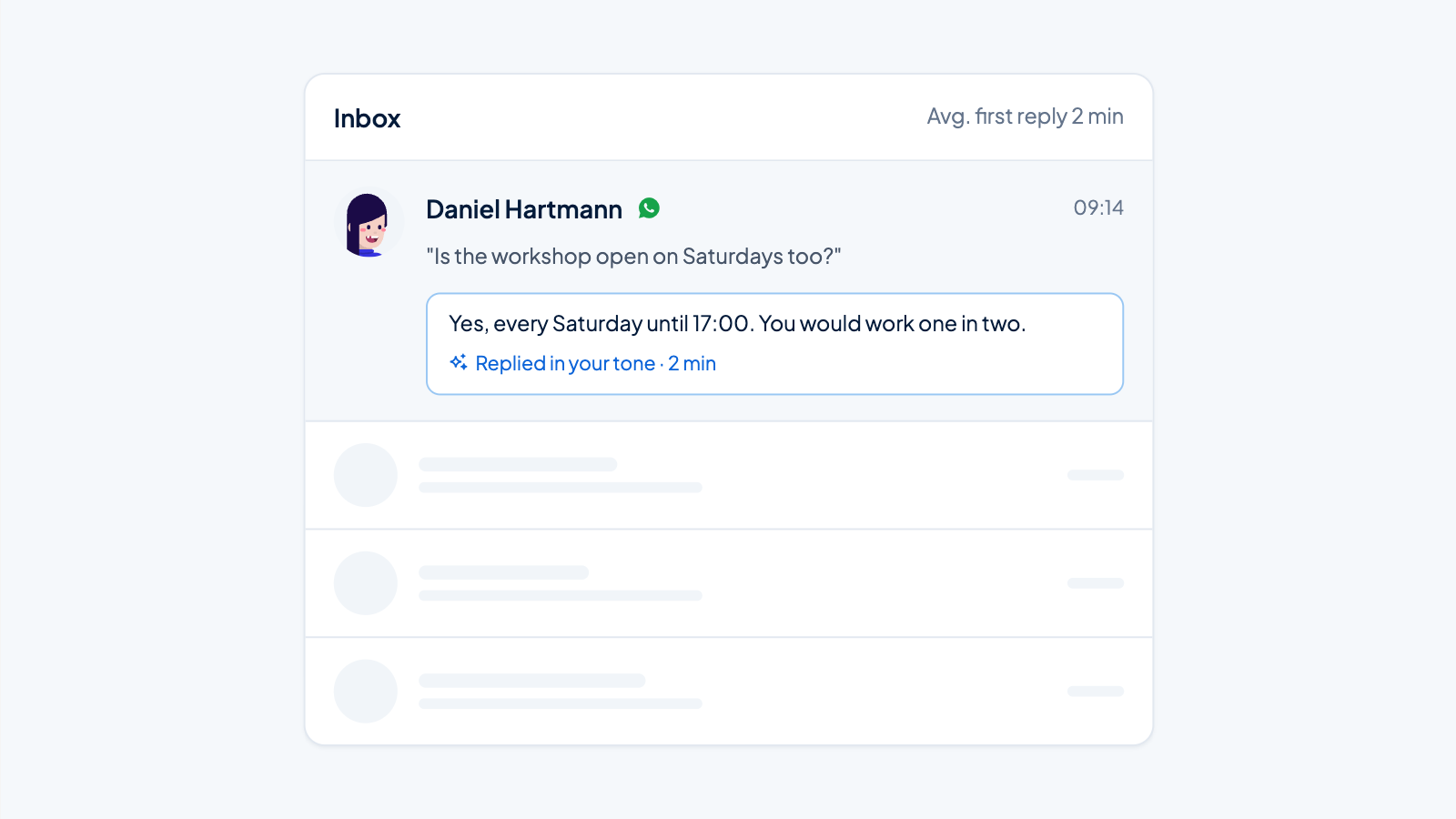
The modern recruitment world is spinning faster every day. Candidates expect quick responses, personal communication, and a seamless experience from application to hire. Yet many HR teams still struggle with fragmented communication across different platforms, causing valuable candidates to slip through the cracks.
Centralizing recruitment communication is no longer a luxury—it’s a necessity for companies that want to attract and retain top talent. In this article, you’ll discover why fragmented communication costs you expensive mistakes, how to set up a centralized system, and what concrete results you can expect.
Why fragmented recruitment communication costs you your best candidates
When recruitment communication is scattered across different platforms, dangerous gaps appear in your hiring process. Candidates literally fall through the cracks when messages get lost between email, LinkedIn, WhatsApp, and various applicant tracking systems.
The consequences are immediately noticeable. Promising candidates don’t receive a timely response and choose a competitor that does reply quickly. Recruiters miss critical information because conversations are spread across multiple channels. The result is inconsistent messaging, with different team members sharing different information about the same job opening.
Research shows that candidates who receive a response within 24 hours are three times more likely to stay interested. With fragmented communication, this speed is often impossible to achieve because recruiters first have to hunt down where the last interaction took place.
What centralized recruitment communication means for modern companies
Centralized recruitment communication means all candidate interactions come together in one clear system. Instead of juggling between different platforms, recruiters have one central place where all communication, documents, and candidate data converge.
This includes three core components. First, unified messaging, where all messages—regardless of the original channel—land in a single inbox. Second, a single source of truth for candidate data, so all team members have access to the same up-to-date information. Third, integrated communication workflows that streamline the entire hiring process.
For modern companies, this means a fundamental shift from reactive to proactive work. Instead of chasing communication, teams regain control over their recruitment workflows.
The 5 essential components of a centralized communication system
An effective centralized recruitment communication system consists of five indispensable elements:
- Unified inbox management – all messages from different channels come together in one overview
- Automated response systems – standard replies and follow-ups ensure a consistent candidate experience
- Candidate journey tracking – full visibility into which stage each candidate is in
- Team collaboration tools – share internal notes and feedback without disrupting candidates
- Integration capabilities – seamless connection with existing HR systems and tools
These components work together to create a smooth candidate experience while giving recruiters more control and oversight over their daily work.
How to choose the right platform for centralizing recruitment communication
Selecting the right recruitment communication platform requires a systematic approach. Start by analyzing your current communication volumes and channels. Companies with high application numbers have different needs than organizations that recruit selectively.
Key evaluation criteria include integration capabilities with your existing systems, scalability for future growth, and user-friendliness for your team. Also pay attention to automation features that can take over repetitive tasks.
Consider different implementation scenarios. Smaller teams often benefit from simple, user-friendly solutions, while large organizations need more advanced workflow automation to optimize their recruitment processes.
Step-by-step implementation of centralized recruitment communication
The transition to centralized recruitment communication requires a thoughtful approach. Follow this implementation roadmap for optimal results:
- Data audit and migration preparation – inventory all existing candidate communication and data
- Platform configuration – set up workflows, templates, and automations
- Team training and onboarding – ensure all users become familiar with the new system
- Phased rollout – start with one job opening or team before switching over completely
- Monitoring and optimization – measure results and adjust processes where needed
Communicate changes clearly to your team and schedule enough time for getting used to the new way of working. A successful implementation takes four to six weeks on average.
ROI and measurable results of centralized recruitment communication
Investing in centralized recruitment communication delivers measurable results across several areas. Time-to-hire shortens by 25–40% on average because communication flows faster and candidates no longer fall through the cracks.
Recruiter productivity rises significantly, as less time is spent searching for information and switching between different platforms. Teams report being able to manage up to three times more candidates without sacrificing quality.
Candidate satisfaction scores improve thanks to consistent, timely communication. This translates into a stronger employer brand and more candidate referrals. Ultimately, these improvements lead to lower recruitment costs and better hire quality.
How Applyfin helps centralize recruitment communication
We offer a complete solution for centralizing recruitment communication by bringing all candidate interactions together in one intelligent platform. Our approach combines:
- Integrated candidate communication across all channels in one clear inbox
- AI-driven workflows that automatically handle follow-ups and responses
- Full pipeline visibility, so no candidate slips through the cracks anymore
- Seamless integration with existing HR systems and recruitment tools
Thanks to our intelligent automation, recruitment teams can manage up to three times more candidates while the candidate experience becomes more personal. Discover all features of our platform and see how other companies have transformed their recruitment communication.
Ready to centralize your recruitment communication? Get in touch for a personal demo or view our solutions for more information on how we can optimize your hiring process.