What is the ideal recruitment funnel?
Discover the 5 essential stages of an effective recruitment funnel that transforms talent acquisition and reduces hiring costs by 60%.

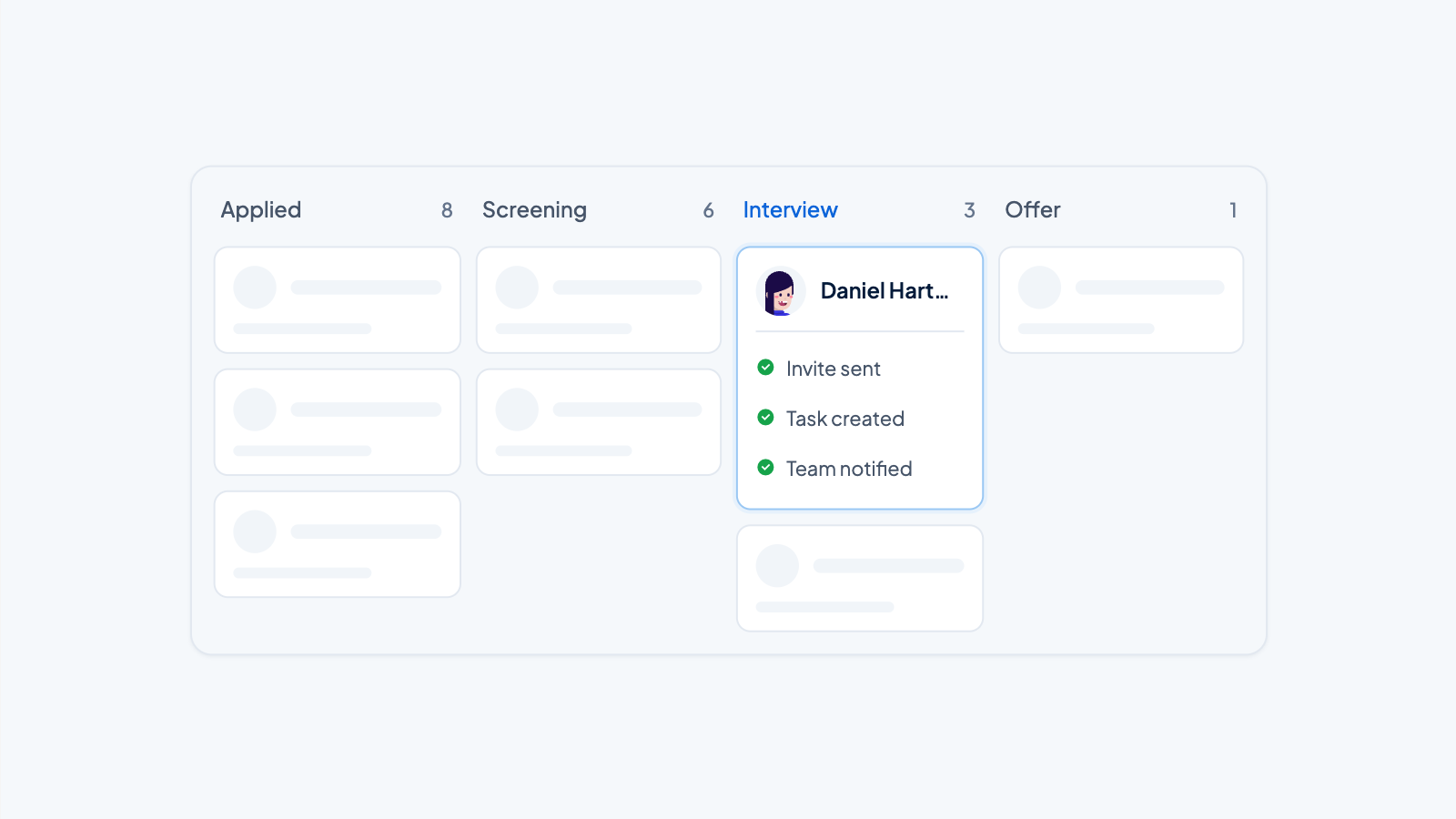
Talent recruitment and selection is becoming increasingly complex. Many companies struggle with inefficient recruitment processes that lead to missed opportunities and high costs. A well-structured recruitment funnel can make the difference between successful hiring and endless frustration.
An ideal recruitment funnel helps you guide candidates systematically through the entire hiring process, from initial interest to successful onboarding. This article shows you how to set up an effective recruitment strategy that actually delivers results.
Why traditional recruitment processes fail
Many organizations still use outdated recruitment methods that no longer align with the modern labor market. As a result, talent acquisition is often inefficient and costly.
The biggest problems in traditional recruitment processes are a lack of structure, poor communication with candidates, and the absence of data-driven decision-making. Candidates drop out because they don't hear anything for weeks or because the process is unclear and slow.
In addition, companies often miss valuable insights because they don't use a systematic approach. Without clear metrics, it's impossible to know where the process is getting stuck and how to improve it.
What exactly is a recruitment funnel?
A recruitment funnel is a systematic approach to the hiring process, where candidates are guided step by step through different stages. Just like a marketing funnel, it starts broad with many potential candidates and narrows as you get closer to the final hire.
The concept of the hiring funnel helps you optimize every step in the recruitment process. By mapping out the candidate journey, you can see exactly where candidates drop off and why.
This model is effective because it brings structure to what is often a chaotic process. It ensures consistency, measurability, and ultimately better results in your recruitment strategy.
The 5 essential stages of an ideal recruitment funnel
An effective recruitment pipeline consists of five crucial stages, each with its own goals and challenges:
- Attraction: attracting potential candidates through strong employer branding, targeted job postings, and active sourcing. The goal is to reach as many relevant candidates as possible.
- Interest: convincing candidates to actually apply through clear job descriptions, an appealing company culture, and accessible application procedures.
- Application: making the application process as easy as possible while still collecting the right information to make quality decisions.
- Selection: systematic assessment and screening of candidates using structured interviews, assessments, and reference checks.
- Onboarding: successful integration of new employees into the team and organization, which is crucial for long-term retention.
Each stage requires specific KPIs and best practices to function optimally within your HR process.
How technology optimizes your recruitment funnel
Modern technology plays a crucial role in optimizing every stage of your recruitment process. AI and automation can take over repetitive tasks and give recruiters the space to focus on strategic activities.
Recruitment platforms centralize all candidate data and make it possible to manage the entire pipeline clearly. Automated workflows ensure timely follow-up and consistent communication with candidates.
Intelligent screening tools can analyze resumes and score candidates on relevance, significantly improving the quality of your shortlist. This leads to more efficient interviews and better hiring decisions.
Common mistakes that sabotage your recruitment funnel
Even with the best intentions, many organizations make critical mistakes that undermine their recruitment funnel. The most common pitfalls are:
- slow communication with candidates, causing them to lose interest
- unclear expectations about the process and timing
- lack of feedback after interviews or assessments
- inconsistent evaluation between different recruiters
- a poor candidate experience due to complicated application procedures
These mistakes lead to higher dropout rates and damage your employer brand. Avoiding these pitfalls can significantly improve your conversion rates.
Measurable results: KPIs for recruitment funnel success
An effective recruitment funnel requires constant monitoring and optimization based on concrete data. The most important metrics to track are time-to-hire, cost-per-hire, and conversion rates per stage.
Candidate satisfaction is an often overlooked but crucial indicator of the health of your recruitment process. Satisfied candidates, even those you don't hire, can become valuable ambassadors for your organization.
By analyzing this data regularly, you can identify bottlenecks and make targeted improvements to your recruitment strategy.
How Applyfin helps with your ideal recruitment funnel
Applyfin offers an integrated platform that optimizes all aspects of your recruitment funnel. Our system helps you to:
- manage job postings centrally and automatically distribute them to relevant channels
- consolidate all candidate data in one clear system
- apply AI-driven screening and scoring for better qualification
- set up automated workflows for consistent follow-up
- gain real-time insight into your recruitment pipeline and KPIs
With Applyfin, recruiters can manage up to three times more candidates than with traditional methods, while hiring costs can drop by 60%. Discover all features of our platform, see how our recruitment automation solutions can transform your process, or contact us for a personal demo.