What is automated background verification?
Discover how automated background verification saves HR teams 60% time in candidate screening and streamlines verification processes.

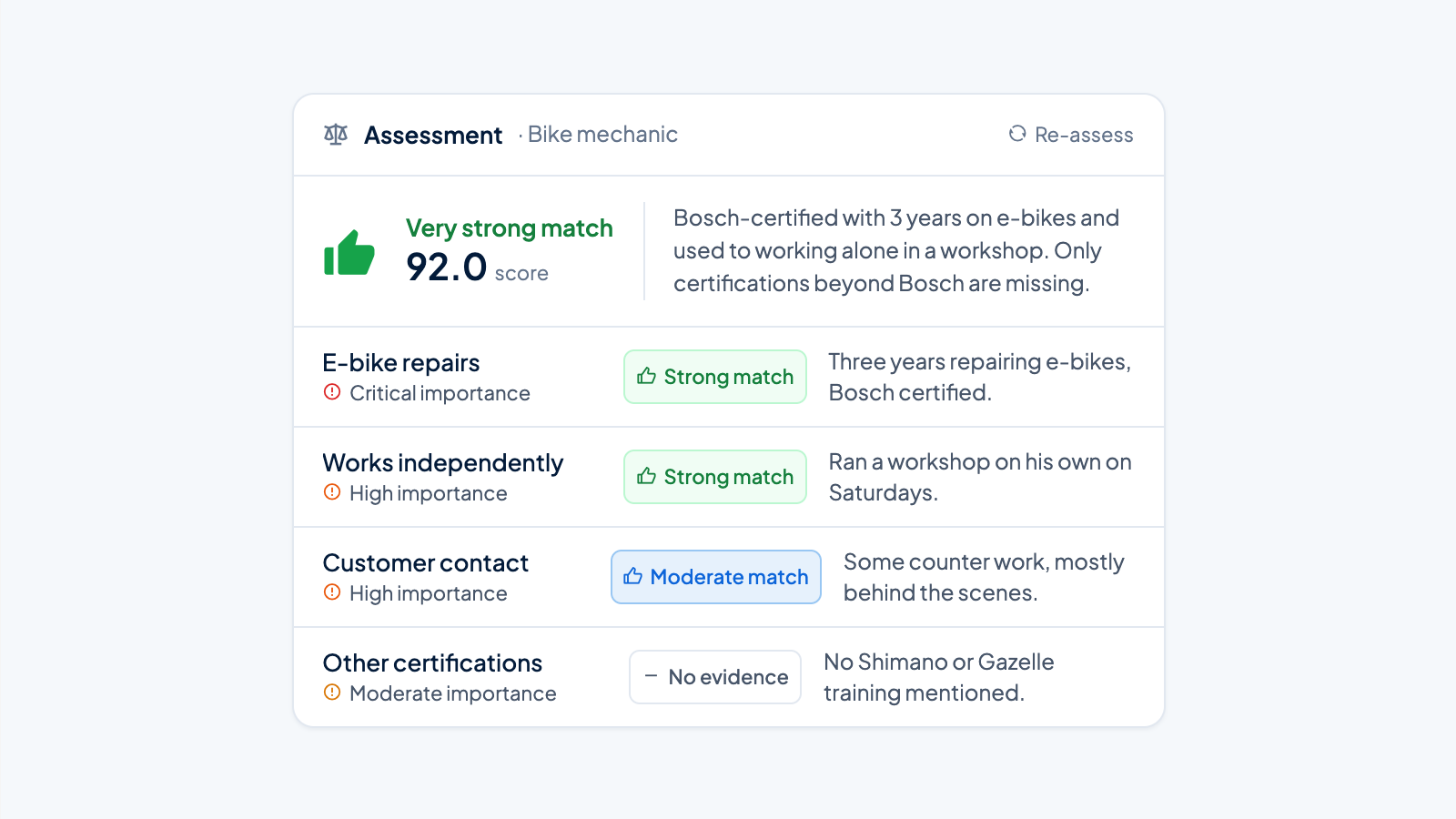
Background screening is a crucial part of the recruitment process, but traditional methods cost HR teams enormous amounts of time and energy. Manually verifying diplomas, employment history, and references can take weeks, while candidates wait and competitors move faster. Automated background verification offers a modern solution that addresses these challenges.
This technology transforms how organizations screen candidates by automating repetitive tasks and minimizing human error. From education verification to reference checks, automation makes it possible to conduct thorough background checks without the traditional delays. This article explores how background check automation works and what benefits it offers modern HR teams.
Why manual background verification slows down HR teams
Traditional background screening methods create significant bottlenecks in recruitment processes. HR professionals spend an average of two to three days per candidate manually verifying information, which quickly adds up to weeks of delay across multiple candidates.
Human error occurs regularly in manual verification. Incorrectly recorded phone numbers, missed follow-ups with references, and incomplete documentation lead to inconsistent results. These inaccuracies can cause costly incorrect assumptions about candidates.
The administrative burden of manual processes is enormous. HR teams must constantly call previous employers, send emails to educational institutions, and organize paper documents. These repetitive tasks take time away from strategic recruitment activities and candidate interaction.
What exactly is automated background verification?
Automated background verification uses digital systems and AI technology to automatically check and verify candidate data. This HR screening technology connects to databases from educational institutions, government registries, and other reliable sources to enable real-time verification.
The system collects various data, such as diplomas, employment history, identity information, and sometimes criminal backgrounds. Artificial intelligence analyzes this information for inconsistencies and flags potential red flags for human review. The technology can scan documents, verify signatures, and even analyze social media profiles for additional insights.
Modern recruitment verification platforms integrate seamlessly with existing ATS systems. Once a candidate gives consent, the verification process starts automatically and results are displayed directly in the candidate profile. This eliminates manual data entry and ensures consistent documentation.
Essential benefits of automation in recruitment screening
Time savings are the most immediate benefit of automation. What used to take days is now completed within hours. HR teams can focus on candidate interviews and strategic planning instead of administrative tasks.
Increased accuracy reduces human errors that occur with manual processes. Automated systems check data against multiple sources and flag discrepancies that people might miss. This leads to more reliable hiring decisions.
Better compliance is ensured because automation follows consistent procedures. All verifications are performed and documented in the same way, which helps with audits and meeting regulatory requirements. GDPR compliance becomes easier through standardized consent procedures.
Cost reduction results from needing less manpower for verification tasks. Although initial software investments are necessary, operational costs decrease significantly through more efficient processes and faster time-to-hire.
Which verifications can be fully automated?
Several types of background checks are ideally suited for full automation:
- Education verification through direct connections with educational institutions
- Identity verification through government registries and ID documents
- Employment history verification through social security data
- Professional licenses and certifications
- Basic criminal background checks
Automated reference check systems can contact former employers through standardized questionnaires. Although not all references can be fully automated, technology helps with scheduling conversations and recording responses.
Social media screening is becoming increasingly advanced through AI analysis of public profiles. This technology can identify inappropriate content and check professional consistency, while respecting privacy legislation.
Implementing automated verification in your HR process
Successful implementation requires a structured approach that takes existing workflows and team needs into account:
- Evaluate current verification processes and identify automation opportunities.
- Select a platform that integrates with your ATS and supports your compliance requirements.
- Train HR teams on new workflows and exception handling.
- Test the system with a small group of candidates before rolling it out fully.
- Monitor results and optimize processes based on feedback.
Platform selection should take into account your specific verification needs, budget, and integration capabilities. Choose vendors that are transparent about data sources and compliance procedures.
Team training is crucial, because automation shifts HR roles from administrative to analytical. Employees must learn how to interpret automated results and when manual intervention is needed.
Privacy and compliance in automated screening
Legal considerations are essential when implementing automated verification. GDPR requires explicit consent from candidates for data processing and gives them the right to access the algorithms used.
Consent procedures must clearly explain what data is collected, how it is used, and how long it is stored. Candidates have the right to withdraw consent and have their data deleted.
Best practices include regular audits of verification processes, transparent communication with candidates, and documenting all automation decisions. Ensure that human review remains possible in cases of doubt or complaints.
How Applyfin helps with automated background verification
Applyfin integrates advanced verification technology into a central recruitment platform that streamlines the entire hiring process. Our system offers:
- Automated candidate screening with AI-driven qualification
- Central storage of all verification data in candidate profiles
- Compliance-ready documentation for audits and regulations
- Seamless integration with existing HR workflows
By automating verification within our platform, recruiters can manage up to three times more candidates, while hiring costs drop by 60%. Discover our features to see how intelligent workflows transform your recruitment process.
Ready to automate your background verification? Contact us for a demonstration of how Applyfin can help your HR team work more efficiently and accurately. Visit our website for more information about our recruitment automation solutions.