How does AI score resumes and applications?
AI resume scoring transforms recruitment by automatically assessing candidates within seconds. Discover how algorithms are revolutionizing your selection process.

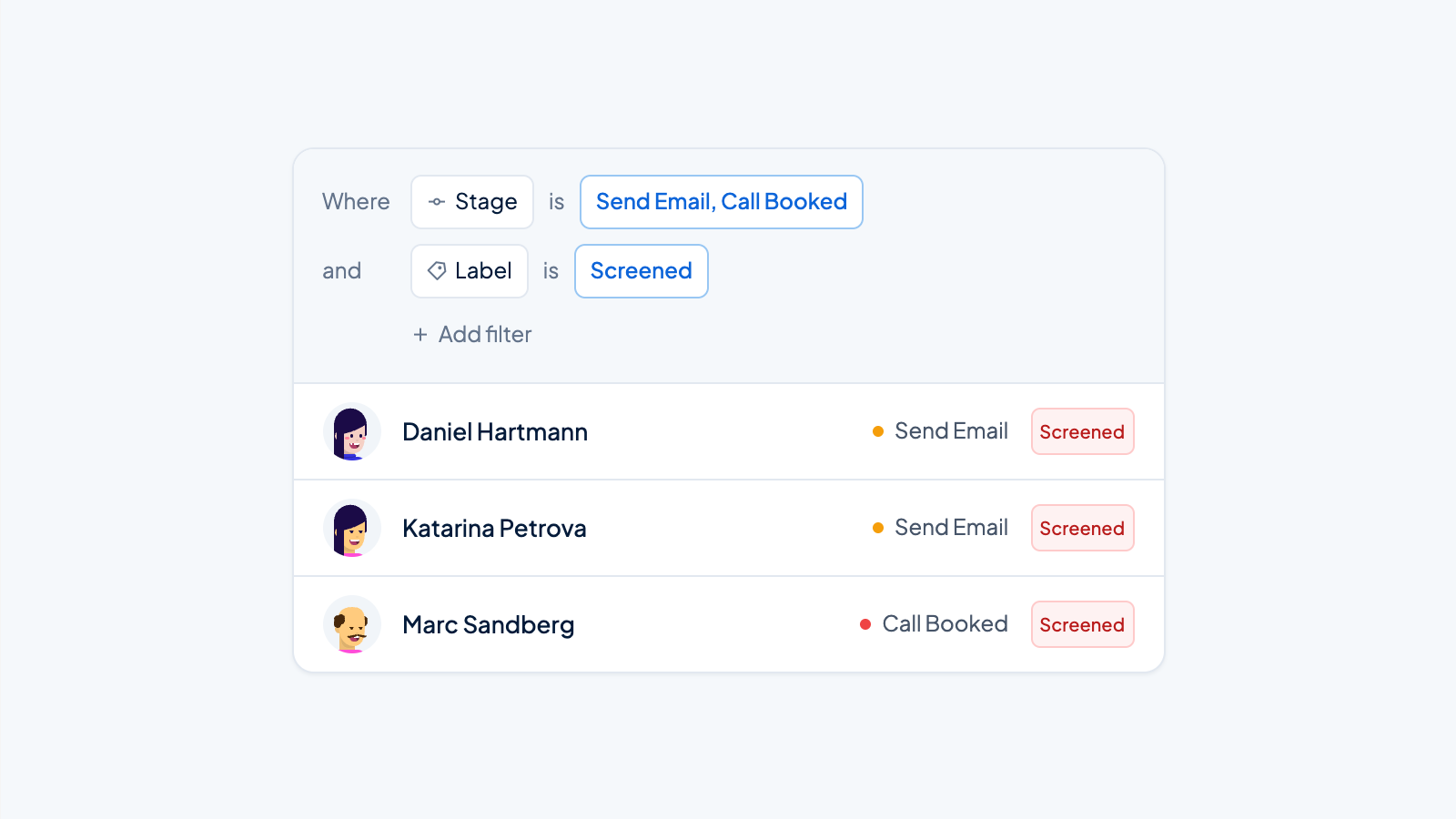
The modern recruitment world is changing at lightning speed due to the rise of AI resume scoring and automatic application screening. Where recruiters used to spend hours manually going through stacks of resumes, intelligent algorithms now take over much of this work. These AI recruitment tools analyze applications within seconds and provide objective scores based on pre-set criteria.
For HR professionals, this means a revolution in the efficiency and quality of selection. But how exactly does this technology work? What criteria does AI use to assess candidates, and what are the benefits and challenges? In this article, you'll discover everything about how AI can transform your recruitment process.
How does AI technology work in resume screening?
AI resume scoring uses advanced algorithms based on machine learning and natural language processing. These systems learn from large datasets of successful and less successful candidates from the past.
The process starts with digitizing resumes and cover letters. The AI then scans the text and recognizes patterns in work experience, skills, education, and other relevant information. Using pattern recognition techniques, the system compares this data with the job requirements.
Automatic resume screening works in several steps. The algorithm first extracts all relevant data from the documents, normalizes this information, and compares it with ideal candidate profiles. Each application then receives a score indicating how well the candidate fits the role.
What criteria does AI use to assess applications?
AI systems evaluate applications based on various quantifiable factors. The main criteria are:
- Skills matching: how well do the skills match the job requirements?
- Relevance of work experience: number of years of experience and sector-specific knowledge
- Educational background: level and relevance of degrees and certificates
- Language use and communication skills: analysis of writing style and word choice
- Career progression: consistency and growth in job levels
- Geographic availability: location and willingness to travel
The application algorithm weighs these factors based on the priorities set for the specific vacancy. For example, a technical role will lean more heavily on technical skills, while a management role places more emphasis on leadership experience.
Benefits of AI scoring for recruiters and candidates
Implementing resume analysis software brings significant benefits for both parties in the hiring process. For recruiters, this primarily means enormous time savings. Where manually screening 100 resumes previously took a full working day, AI now does it in a few minutes.
Objectivity is another major advantage. AI systems are not influenced by unconscious biases about names, gender, or background. They assess purely based on the set criteria, leading to fairer selections.
For candidates, the AI hiring process means faster feedback and more transparency. They know where they stand sooner and often gain insight into which skills they can improve for future applications.
Common challenges in AI resume analysis
Despite the benefits, recruitment automation also brings challenges. A key concern is algorithmic bias. If the training data contains biases, the AI system can unintentionally perpetuate them.
AI also struggles with recognizing soft skills and contextual information. Qualities like creativity, empathy, or teamwork are difficult to quantify based on a resume. Additionally, atypical career paths, such as a career switch or periods of self-employment, can be misinterpreted by algorithms.
Finding the right balance between automation and human judgment remains a challenge. Full automation can miss valuable candidates, while too little automation negates the efficiency benefits.
Best practices for effective AI-driven recruitment
To make optimal use of AI recruitment tools, there are some key guidelines:
- Combine AI with human expertise for the final decision
- Regularly test and calibrate algorithms for bias and accuracy
- Ensure transparency towards candidates about the use of AI
- Keep investing in the quality of your training data
- Use AI as a filter, not as a replacement for the entire selection process
It's crucial to build in continuous monitoring. Regularly analyze whether the AI selections lead to successful hires and adjust the criteria where necessary.
How Applyfin helps with AI resume scoring
We understand that implementing AI technology in your recruitment process can be complex. Our platform combines intelligent qualification with applicant management to optimize your hiring process.
Our solution offers:
- Automated resume screening that scores candidates on relevance
- Centralized candidate profiles with all communication in one overview
- AI workflows that automate repetitive tasks
- Transparent pipeline management for full insight into your hiring process
Ready to take your recruitment process to the next level? Discover our features and experience how you can manage up to three times more candidates. Visit our website for more information or contact us for a personal demonstration.