What are pipeline stages in recruitment?
Discover the 7 essential recruitment pipeline stages that turn chaos into control and attract top talent.

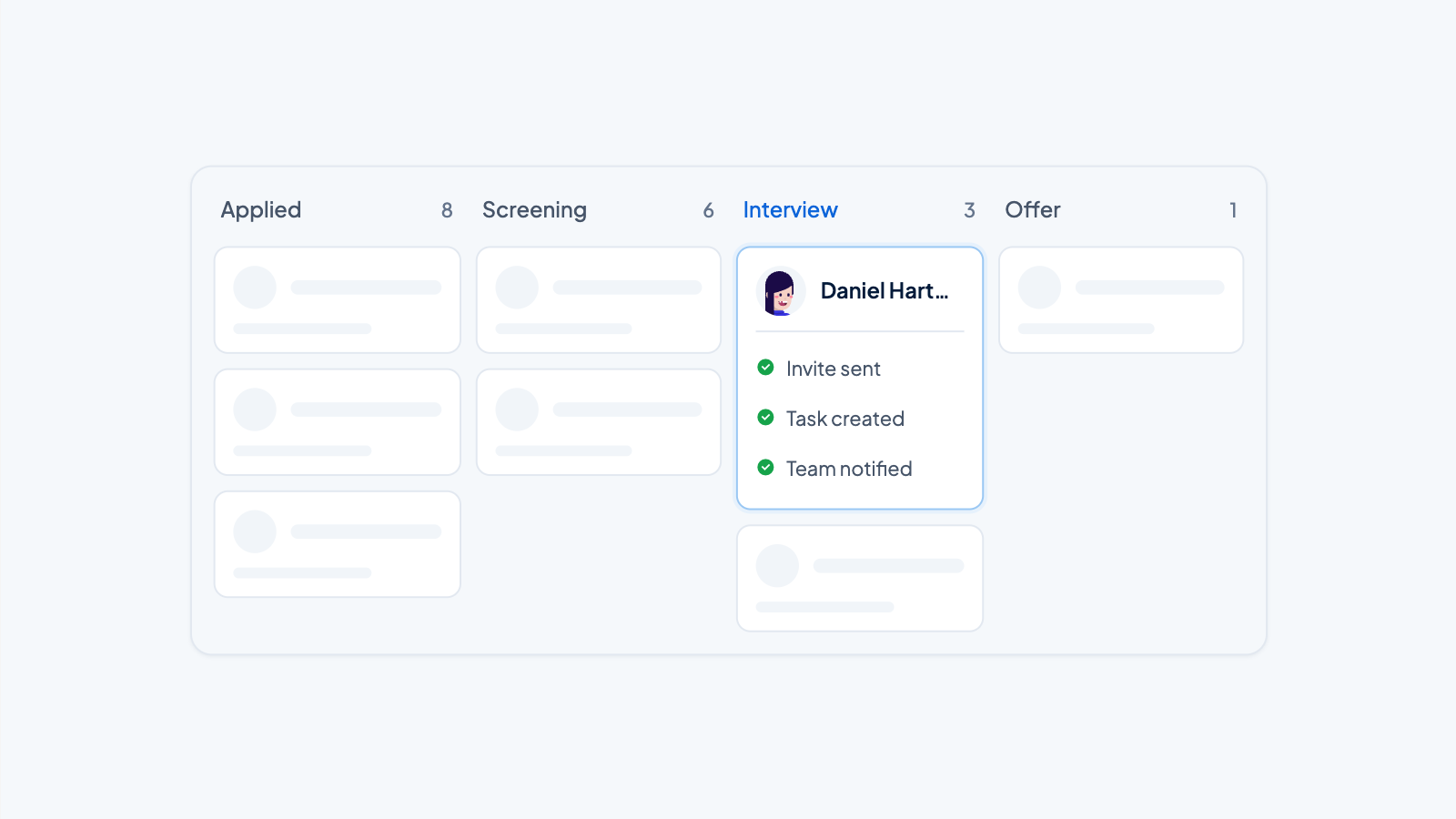
A structured recruitment pipeline can make the difference between chaos and control in your hiring process. Many HR professionals struggle to keep an overview of candidates, miss qualified applicants, and deal with unclear steps in the application procedure. A well-defined recruitment pipeline not only increases efficiency but also significantly improves the candidate experience.
In this article, you’ll discover exactly what pipeline stages in recruitment entail, which seven essential steps you need, and how to avoid common pitfalls. You’ll also learn how modern technology can optimize your hiring pipeline and which metrics truly impact your recruitment results.
What exactly are pipeline stages in recruitment?
Pipeline stages in recruitment are the structured steps every candidate goes through during the hiring process. From the first contact to the final hire, each applicant follows the same predefined route through your recruitment workflow.
These stages act as a roadmap for both recruiters and candidates. They provide clarity on expectations, timelines, and next steps. A well-designed recruitment pipeline prevents qualified candidates from slipping through the cracks and helps your team make consistent decisions.
The importance of structured pipeline stages is often underestimated. Without clear steps, confusion arises, the recruitment process takes unnecessarily long, and you risk losing potentially great candidates to competitors who do have an efficient application procedure.
The 7 essential stages of a recruitment pipeline
An effective recruitment pipeline consists of seven core stages that together form a complete candidate journey:
- Sourcing – Actively searching for and attracting potential candidates through various channels, such as job boards, social media, and networks.
- Screening – Reviewing resumes and cover letters to determine which candidates meet the basic requirements.
- First interview – An introductory conversation to evaluate personality, motivation, and cultural fit.
- Assessment – A more in-depth evaluation of skills through tests, assignments, or practical cases.
- Second interview – A conversation with the direct manager or team members to assess technical competencies and collaboration.
- Reference check – Verification of work experience and performance at previous employers.
- Job offer – Offering the position, including negotiations on employment terms.
Each stage has specific objectives and criteria. This ensures that only the most suitable candidates move on to the next step, saving time and resources.
Why many companies fail at pipeline management
Despite good intentions, many organizations stumble over the same obstacles in their recruitment and selection process. The lack of clear selection criteria per stage leads to inconsistent decision-making between different recruiters.
Manual processes cause delays and errors. Candidates wait weeks for feedback, while administrative tasks hinder recruiters from doing their actual work. Poor communication between stages results in missed opportunities and frustrated applicants.
Another common problem is the loss of qualified candidates due to unclear timelines and a lack of follow-up. Without automated workflows, potential top talent falls through the cracks.
How technology optimizes your recruitment pipeline
Modern recruitment technology transforms traditional hiring pipelines into efficient, automated systems. Applicant Tracking Systems (ATS) centralize all candidate information and provide an overview at every stage of the process.
AI-driven screening analyzes resumes and assesses candidates on relevant criteria, allowing recruiters to focus on the most promising applicants. Automated workflows send reminders, schedule interviews, and keep everyone involved informed of progress.
Data analysis provides insight into bottlenecks within your recruitment stages. You discover where candidates drop off, which stages take too long, and where your process can be improved. These insights help optimize both efficiency and the candidate experience.
Pipeline metrics that truly make an impact
Measuring the right KPIs provides insight into the effectiveness of your candidate selection process. Key metrics to track include:
- Time-to-hire – The average time from first contact to hire
- Conversion rates per stage – The percentage of candidates who move on to the next step
- Candidate quality scores – An assessment of how well new hires perform
- Cost-per-hire – The total costs divided by the number of successful hires
- Drop-off rates – Where and why candidates leave the process
These metrics help you identify areas for improvement and optimize your recruitment workflow. Regular analyses reveal trends and patterns that would otherwise go unnoticed.
How Applyfin helps with pipeline management
Applyfin offers an integrated solution that centralizes and automates all aspects of your recruitment pipeline. Our platform combines smart job management, applicant tracking, and AI-driven workflows in one clear system.
With Applyfin, you get:
- Full visibility of all pipeline stages and candidate statuses
- Automated screening and scoring of applicants
- Streamlined workflows that reduce administrative burdens
- Real-time analytics for data-driven decision-making
Recruiters using Applyfin manage up to three times more candidates than with traditional methods, while recruitment costs drop by 60%. Ready to transform your recruitment process? Get in touch for a personal demonstration and discover how our advanced features can optimize your recruitment pipeline. Visit our website for more information on how we can put your applications on autopilot.