How to Build an Effective Recruitment Pipeline
Build a recruitment pipeline that fills vacancies 50% faster. Discover the 5 stages for effective talent acquisition.

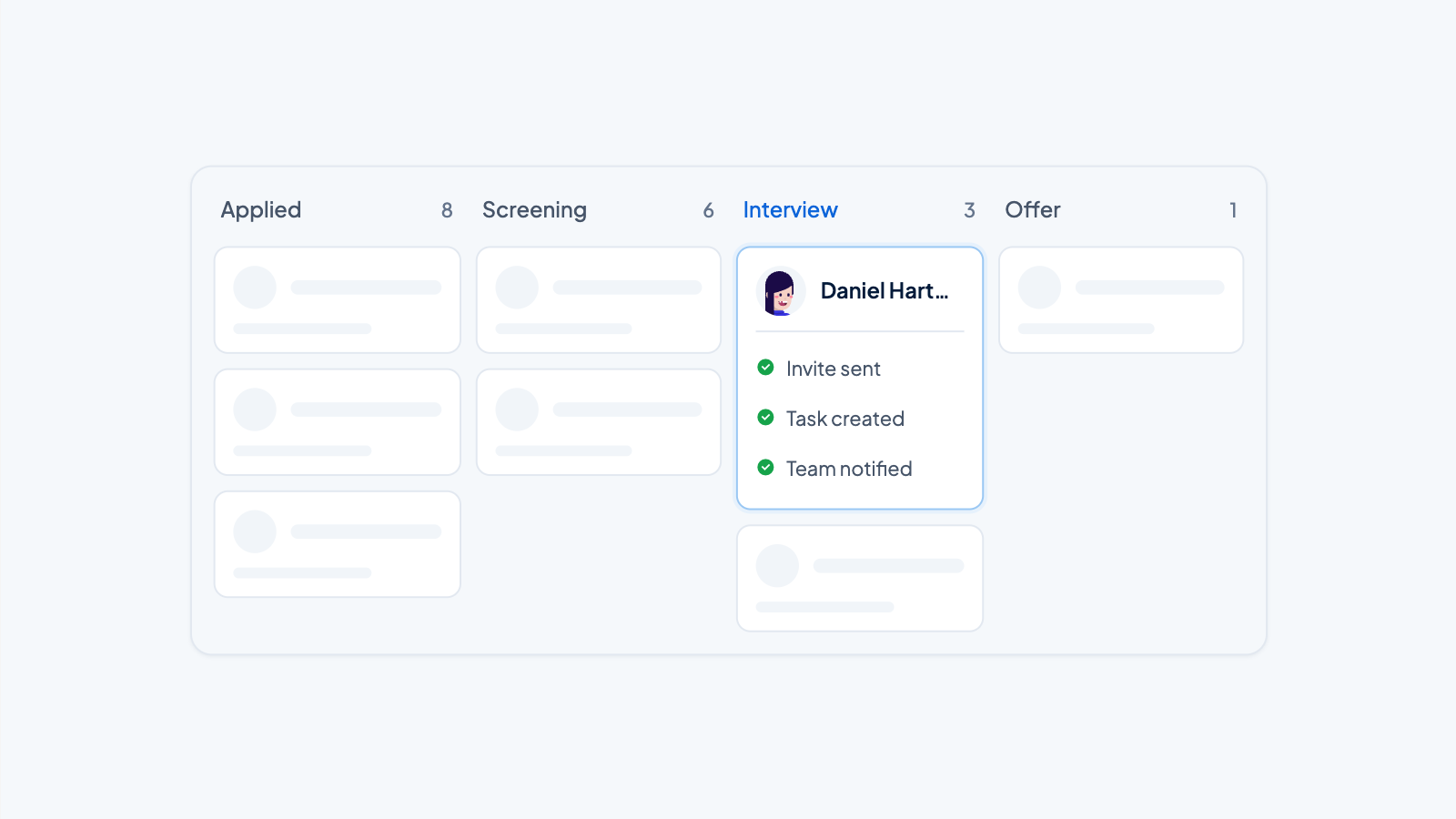
An effective recruitment pipeline forms the backbone of successful recruitment. In today's tight labor market, companies cannot afford to lose talented candidates due to a messy hiring process. A well-structured recruitment pipeline ensures that you consistently attract, retain, and ultimately hire quality candidates.
Many HR professionals and hiring managers struggle with fragmented processes, poor candidate experience, and inefficient workflows. This results in higher recruitment costs, longer time-to-fill, and missed opportunities to hire top talent. In this article, you'll discover how to develop a recruitment strategy that actually works.
What is a recruitment pipeline and why is it critical?
A recruitment pipeline is a structured process that encompasses all steps from identifying potential candidates through onboarding. This HR pipeline consists of several stages that logically follow one another and together ensure a consistent talent acquisition approach.
The pipeline starts with talent sourcing, where you actively search for suitable candidates. This is followed by screening and qualification, in which you determine which candidates best fit the role. Then come the interview and assessment stage, followed by decision-making and making an offer. The process ends with successful onboarding.
In today's labor market, a structured recruitment strategy is essential because candidates have more choices than ever. A messy process leads to candidate drop-off and damages your employer brand. Companies with an effective recruitment pipeline fill vacancies on average 50% faster and provide a better candidate experience.
Common mistakes that make your recruitment pipeline ineffective
Many organizations make the same fundamental mistakes in their hiring process. Lack of planning tops this list. Without clear process steps and timelines, chaos arises, causing candidates to drop out and recruiters to become overwhelmed.
Poor candidate communication is a second critical mistake. Candidates who wait weeks for feedback or receive unclear information about next steps often choose other employers. This problem is compounded by insufficient data tracking, leaving you with no insight into where candidates drop off.
Fragmented processes make the situation even more complex. When different teams use different tools without integration, information gaps and duplicate work arise. This not only leads to candidate loss but also significantly increases recruitment costs.
The 5 essential stages of a successful recruitment pipeline
An effective recruiting and selection strategy consists of five core stages that follow one another seamlessly:
- Talent sourcing: Identify and attract potential candidates through various channels, such as job boards, social media, and networks. Ensure attractive job postings and a strong employer brand.
- Screening and qualification: Review resumes and conduct initial conversations to determine which candidates meet the basic requirements. Use standardized criteria for objective decision-making.
- Interview and assessment: Conduct in-depth conversations with qualified candidates. Use structured interview techniques and involve relevant stakeholders in decision-making.
- Decision-making and offer: Evaluate all candidates systematically and make a competitive offer to your preferred candidate. Ensure fast decision-making so you don't lose top talent.
- Onboarding: Guide new employees effectively during their first period to ensure retention and accelerate productivity.
How technology and automation improve your recruiting results
Recruitment automation is revolutionizing the way we attract and manage talent. AI-driven tools can screen resumes, score candidates, and even schedule initial interviews. This saves recruiters valuable time that they can spend on meaningful interactions with top candidates.
Integrated platforms offer the advantage of centralized data and streamlined workflows. Instead of juggling multiple tools, you can manage all candidate information in one place. This reduces human error and improves the candidate experience by keeping communication consistent.
For successful implementation, start small by automating repetitive tasks such as sending confirmation emails and scheduling interviews. Gradually expand to more advanced features, such as AI screening and predictive analytics.
Practical step-by-step plan for building your recruitment pipeline
Developing an effective recruitment pipeline requires a systematic approach. Start by mapping your current process and identifying bottlenecks. Document every step and determine who is responsible for which parts.
Important elements for a successful implementation plan:
- Put together a project team with representatives from HR, hiring managers, and IT
- Define clear process steps with corresponding timelines
- Choose suitable tools that integrate with your existing systems
- Train your team on the new way of working and provide ongoing support
- Test the process with a pilot group before rolling it out fully
Plan approximately 3–6 months for full implementation, depending on the complexity of your organization. Schedule regular evaluation moments to adjust the process where necessary.
KPIs and metrics that measure your pipeline's success
Without measurable goals, you don't know whether your recruitment pipeline is actually effective. Time-to-hire and cost-per-hire are the basic KPIs that every HR department should monitor. These metrics provide insight into the efficiency of your process.
Candidate experience scores are just as important, because satisfied candidates strengthen your employer brand. Measure conversion rates per stage to identify where candidates drop off. A healthy pipeline has conversion rates of about 25% from application to first interview and 15% from first interview to offer.
Use this data for continuous optimization. Analyze trends monthly and adjust your strategy based on the results. Compare your performance with industry benchmarks to determine your position.
How Applyfin helps you build an effective recruitment pipeline
We understand the challenges of modern recruitment, which is why we developed a platform that centralizes all aspects of your recruitment pipeline. Our solution combines:
- Integrated pipeline management that collects all candidate data in one place
- AI-driven screening and qualification for better candidate selection
- Automated workflows that take over repetitive tasks
- Real-time analytics for data-driven decision-making
With our technology, recruiters can manage up to three times more candidates, while recruitment costs drop by 60%. Discover all features of our platform and see how automation transforms your recruitment process. Ready to optimize your recruitment pipeline? Contact us for a personal demonstration, or visit our website for more information about how we solve your recruitment challenges.