How does AI resume screening recognize relevant experience?
AI resume screening analyzes patterns in job titles, skills, and project descriptions to identify relevant experience. Discover how machine learning finds hidden talent.

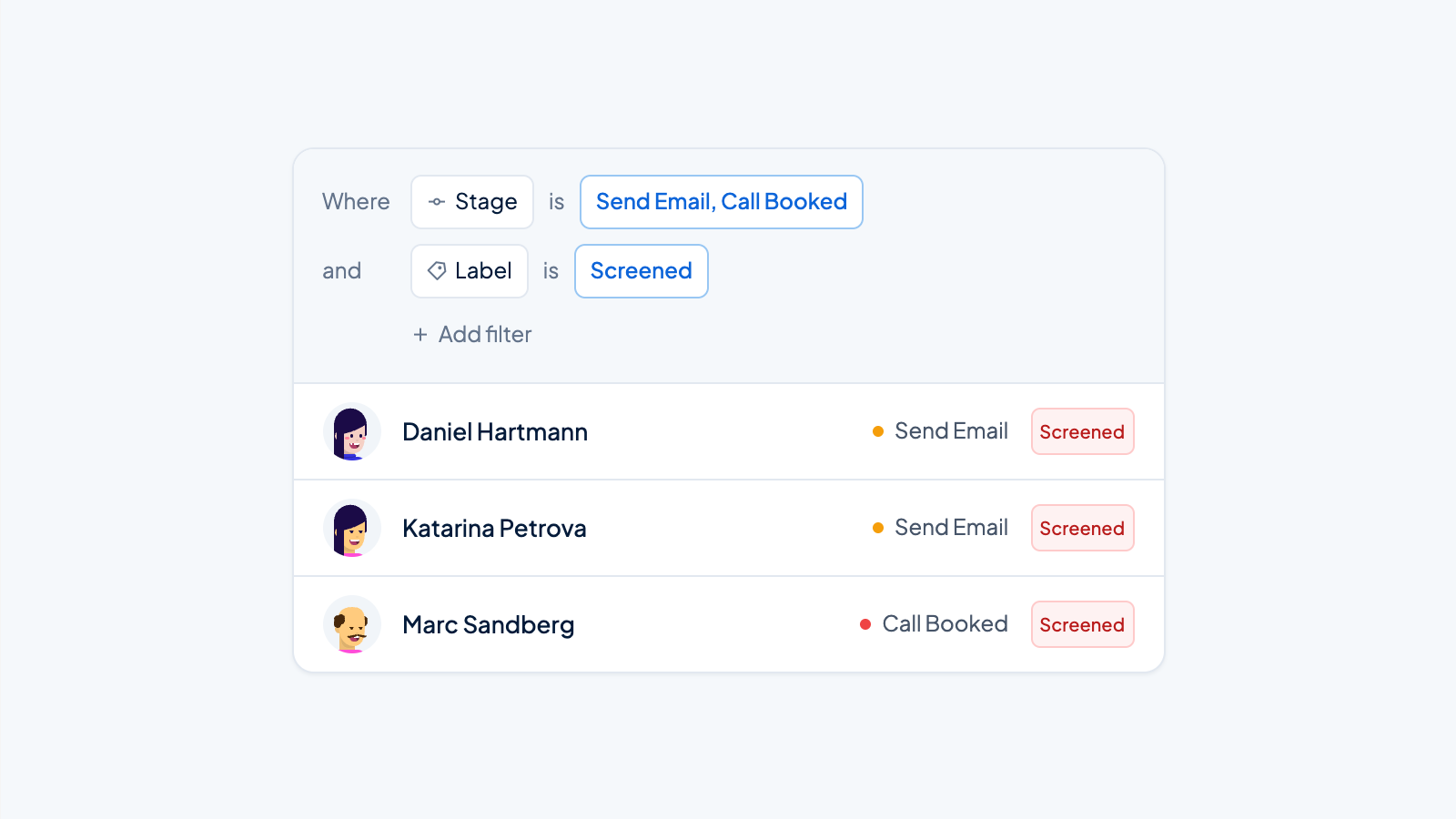
AI CV screening identifies relevant experience through machine learning algorithms that analyze patterns in job titles, skills, project descriptions, and employment duration. The system compares this data with job requirements and identifies both direct and transferable experience. Modern AI CV screening software can uncover hidden qualifications that human recruiters often miss due to time pressure and bias.
What is AI CV screening and how does it work in practice?
AI CV screening uses machine learning algorithms to automatically analyze and assess CVs for relevance to specific job openings. The system learns to recognize patterns by studying thousands of CVs and successful applications, after which it can evaluate new CVs within seconds.
The technology works by applying natural language processing to CV texts. The system extracts key information such as job titles, company names, education, skills, and employment periods. It then compares this data with the requirements in the job description.
Machine learning models are trained on historical data from successful candidates. They learn which combinations of experience, skills, and background lead to strong performance in specific roles. This also makes it possible to identify less obvious matches.
What criteria does AI use to identify relevant work experience?
AI systems analyze multiple factors simultaneously to determine relevant work experience. They look at job titles but go far beyond literal matches by recognizing semantic relationships between different roles and responsibilities.
The main criteria that AI CV screening software evaluates are:
- Job titles and hierarchy levels – The system recognizes synonyms and related roles.
- Company types and industries – Relevant sector experience is identified.
- Project descriptions and results – Concrete achievements and responsibilities.
- Technical and soft skills – Both explicitly mentioned and inferred competencies.
- Employment duration and career progression – Stability and growth in relevant areas.
- Educational background – Relevant studies and certifications.
The system weighs these factors against each other and creates an overall score reflecting a candidate's suitability. This happens objectively, without influence from personal preferences or unconscious biases.
How does AI distinguish between different types of work experience?
AI systems classify work experience into different categories to get a nuanced picture of a candidate. They distinguish between direct experience, transferable skills, and industry-specific knowledge through advanced pattern recognition.
Direct experience is recognized when job titles, responsibilities, and required skills closely match the job opening. The system identifies core activities and compares them with the desired tasks.
Transferable skills are detected by analyzing underlying competencies. For example, a project manager in construction has planning skills relevant to IT projects, even though the sector differs.
The system also recognizes different levels of experience:
- Junior level – Basic skills and limited autonomy
- Mid-level – Proven experience and independent work
- Senior level – Leadership experience and strategic responsibilities
- Expert level – Specialist knowledge and mentorship
Industry-specific knowledge is evaluated by recognizing terminology, processes, and standards specific to certain sectors. This helps identify candidates who can start quickly without extensive training.
Why do traditional CV screening methods miss relevant candidates?
Traditional, manual CV screening often misses suitable candidates due to human limitations and time pressure. Recruiters have an average of 6–10 seconds per CV, causing them to focus on superficial characteristics like job titles and well-known company names.
Human biases play a major role in missing talent. Recruiters can be unconsciously influenced by name, age, gender, or educational background. They also tend to prefer candidates who resemble themselves or have followed a similar career path.
Time pressure leads to superficial assessment, where hidden qualifications are overlooked. A candidate with relevant project experience in another sector may be rejected because the job title doesn't match exactly.
Traditional methods also miss:
- Candidates with non-linear career paths who have gained valuable experience
- Professionals who have developed their skills in other industries
- Candidates who describe their competencies differently than expected
- Talent with strong fundamental skills but a different background
What benefits does AI screening offer for recruiters and candidates?
AI screening offers significant time savings for recruiters by automating the first selection round. Where manually screening 100 CVs takes a full day, AI can complete this within minutes with consistent quality.
For recruiters, this means more time for valuable activities, such as conducting in-depth conversations with selected candidates. The objective assessment also reduces the risk of discrimination and improves the diversity of the candidate pool.
The main benefits for recruiters are:
- Time savings – Automatic pre-selection within minutes
- More objective assessment – No unconscious biases
- Better match quality – Deeper analysis of suitability
- Scalability – Processing large volumes of applications
- Consistency – Equal treatment of all candidates
Candidates benefit from faster feedback and fairer treatment. Their CV is assessed on relevant criteria, without influence from personal preferences. This especially gives promising candidates with unconventional backgrounds better opportunities.
How can you optimally implement AI CV screening in your recruitment process?
Successful implementation of AI CV screening software starts with defining clear selection criteria and training the system with quality data. Always combine AI screening with human assessment for optimal results.
Implementation follows a structured approach:
- Preparation – Analyze current screening processes and define desired outcomes.
- System configuration – Set parameters based on job requirements and company culture.
- Training with historical data – Use successful applications to calibrate the system.
- Pilot testing – Test the system with a limited number of job openings.
- Optimization – Refine settings based on results and feedback.
- Full rollout – Implement the system for all recruitment activities.
We recommend a hybrid approach, where AI does the initial screening and recruiters make the final selection. This combines the efficiency of automation with human intuition and company-specific knowledge.
For optimal results, it's important to choose advanced recruitment technology that fits your organization. A good system offers transparency in selection criteria and opportunities for continuous improvement.
Regularly monitor performance by looking at the quality of selected candidates and feedback from hiring managers. This helps refine the system and improve future selections.
Also consider seeking professional support during implementation, especially if you work with large volumes or complex job profiles. A good recruitment automation solution can help you leverage the full potential of AI screening.
How Applyfin helps with AI CV screening
Applyfin offers a complete AI CV screening solution that transforms your recruitment process from time-consuming to efficient. Our platform combines advanced machine learning technology with user-friendly interfaces for optimal results:
- Intelligent matching – Our AI recognizes relevant experience and transferable skills that traditional screening misses
- Objective assessment – Eliminate unconscious biases and create a fairer selection process
- Time savings – Process hundreds of CVs within minutes instead of days
- Customizable criteria – Configure the system perfectly to your specific job requirements and company culture
- Transparent reporting – Gain insight into why candidates were or were not selected
Ready to revolutionize your recruitment process? Contact us today for a personal demonstration and discover how Applyfin can help your organization find the best talent.